


 EN
EN



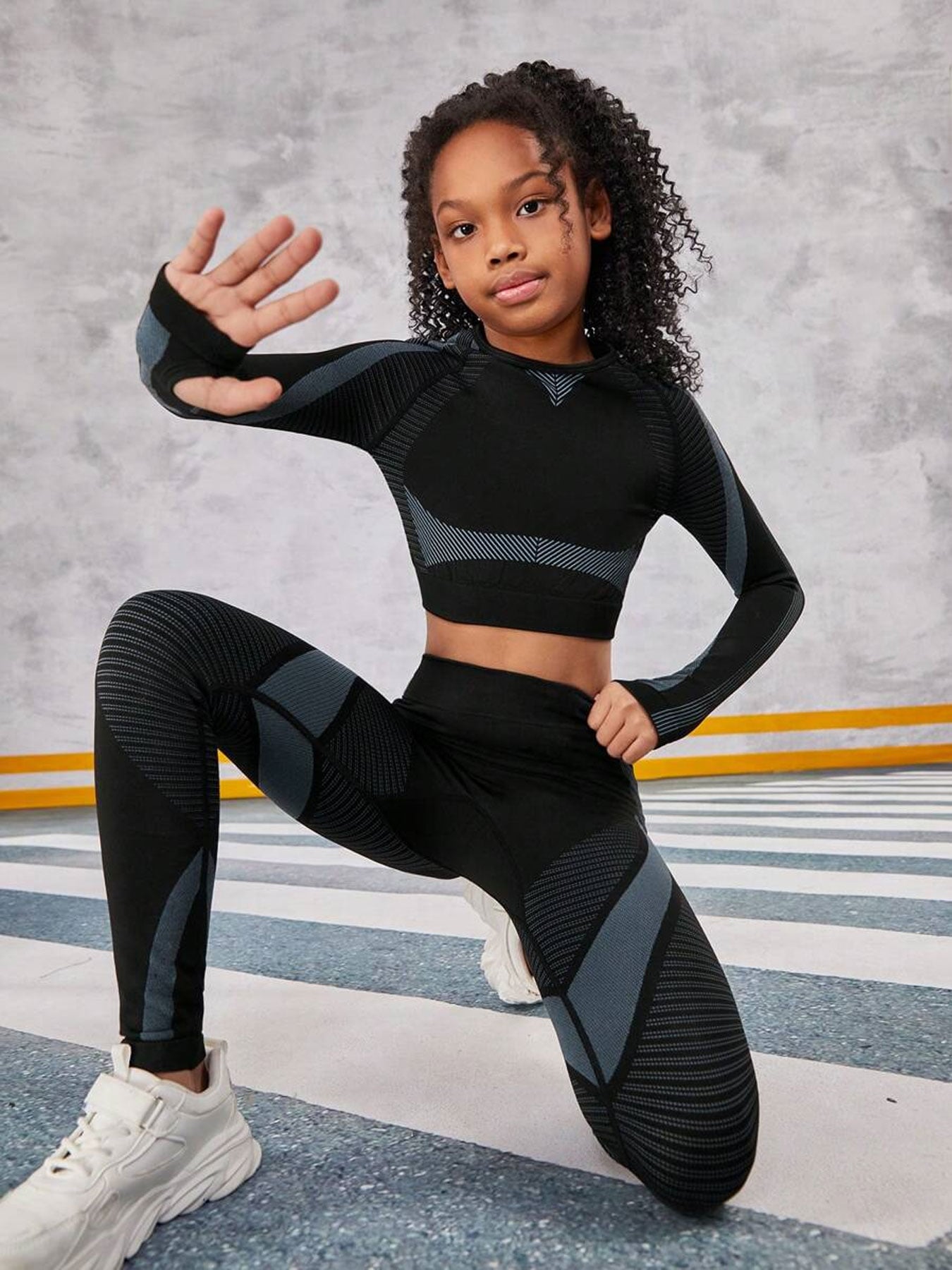
Choosing the right fabrics for yoga clothes, underwear is fundamental to achieving comfort, performance, and durability in your activewear wardrobe. Whether you practice yoga regularly or seek lightweight underwear for everyday wear, understanding fabric properties directly impacts your experience on and off the mat. The intersection of breathability, moisture management, and stretch recovery defines quality yoga clothes, underwear that supports movement while maintaining structural integrity through countless wear cycles.
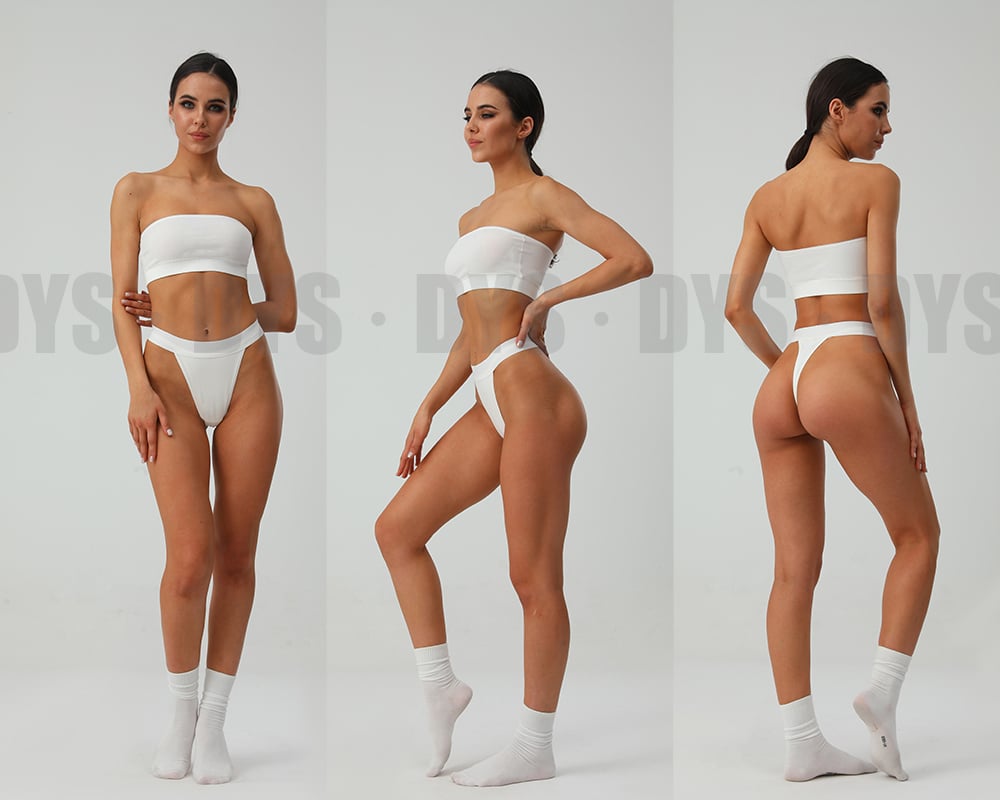
The selection process for yoga clothes, underwear requires balancing technical performance with personal comfort preferences. Fabrics used in these garments must handle dynamic stretching, sweat management, and frequent washing without compromising fit or feel. This guide explores the critical fabric characteristics that define effective yoga clothes, underwear, helping you make informed decisions that enhance your active lifestyle.
Understanding Core Fabric Properties for Yoga Clothes, Underwear
Breathability and Moisture Wicking
Breathability stands as the primary concern when evaluating fabrics for yoga clothes, underwear. Moisture-wicking technology pulls sweat away from your skin, allowing it to evaporate quickly across the fabric surface. Natural fibers like cotton offer inherent breathability, while synthetic blends engineered for athletic performance often deliver superior moisture management. Your yoga clothes, underwear should feel dry rather than clammy during practice, maintaining comfort even during intense sessions or hot yoga environments.
The breathability of yoga clothes, underwear directly influences your ability to focus during practice. When moisture accumulates on your skin, discomfort and distraction follow, disrupting your mind-body connection. High-performance yoga clothes, underwear utilize specialized weaves and fiber treatments that accelerate evaporation rates, keeping your microclimate stable throughout your session.
Stretch and Recovery Properties
Elasticity defines functional yoga clothes, underwear that accommodates dynamic movement without restricting range of motion. Fabrics containing spandex or elastane provide four-way stretch, moving with your body through forward folds, warrior poses, and inversions. The recovery aspect ensures yoga clothes, underwear return to their original shape after stretching, preventing the sagging appearance that develops with inferior materials.
Recovery time after stretching separates premium yoga clothes, underwear from bargain alternatives. Quality fabrics with high spandex content maintain shape consistency after hundreds of wash cycles. This longevity matters significantly for yoga clothes, underwear intended for regular practice, as elastic degradation compromises fit and support over time.
Comparing Fabric Types for Athletic and Everyday Wear
Natural Fiber Options
Cotton remains the foundational choice for lightweight underwear emphasizing breathability and comfort. Pure cotton yoga clothes, underwear offers excellent skin compatibility, particularly for individuals with sensitive skin. However, cotton absorbs moisture rather than wicking it away, making pure cotton suboptimal for intense yoga sessions where sweat management becomes critical. Cotton-blend constructions in yoga clothes, underwear balance breathability with modest moisture management capabilities.
Bamboo fabric presents an emerging alternative for eco-conscious consumers seeking sustainable yoga clothes, underwear. Bamboo-derived viscose offers natural moisture-wicking properties superior to standard cotton while maintaining softness. The environmental footprint of bamboo farming and processing varies by producer, so yoga clothes, underwear marketed as eco-friendly warrant investigation into manufacturing practices.
Synthetic and Blend Constructions
Polyester blends dominate high-performance yoga clothes, underwear markets due to superior moisture management and durability. Nylon-spandex combinations deliver excellent stretch recovery and durability, making them ideal for structured yoga clothes, underwear that maintains shape through extended use. These synthetic options in yoga clothes, underwear typically cost less than premium natural blends while offering superior technical performance.
Microfiber technology in yoga clothes, underwear applications enables thinner, lighter constructions without sacrificing support or durability. Microfiber fabrics dry significantly faster than cotton, enhance color retention through washing, and resist pilling better than natural options. Quality yoga clothes, underwear utilizing microfiber technology balances technical benefits with reasonable pricing accessibility.
Selection Criteria and Performance Considerations
Weight and Layering Standards
Fabric weight measured in grams per square meter determines warmth and transparency characteristics in yoga clothes, underwear. Lightweight constructions ranging from 100 to 150 GSM work well for hot yoga environments and warm-season practice. Medium-weight yoga clothes, underwear from 150 to 250 GSM provides versatile performance across temperature variations while maintaining excellent breathability.
Transparency testing matters considerably when selecting yoga clothes, underwear, particularly for darker practice styles or outdoor sessions. Quality construction layers in yoga clothes, underwear prevent see-through issues that compromise confidence during practice. Testing recommended yoga clothes, underwear by holding them against bright light before purchase ensures adequate coverage confidence.
Care and Longevity Factors
Fabric durability in yoga clothes, underwear extends beyond initial purchase to encompass wash cycles, color retention, and elastic longevity. Delicate washing in cool water preserves elastic integrity and dye fastness in quality yoga clothes, underwear. Avoid fabric softeners that coat fibers and reduce breathability in technical yoga clothes, underwear designed for moisture management.
Pilling resistance distinguishes durable yoga clothes, underwear from budget alternatives prone to surface degradation. Fabric construction density and fiber quality determine how quickly yoga clothes, underwear develop bobbles during wear and washing. Investing in well-constructed yoga clothes, underwear reduces replacement frequency and delivers better cost-per-wear economics over extended ownership periods.
Comfort Customization
Personal sensitivity and body chemistry influence optimal fabric choices in yoga clothes, underwear selection. Some practitioners prefer natural fiber yoga clothes, underwear despite moisture management limitations, while others prioritize technical performance from synthetics. Testing multiple construction types helps identify which yoga clothes, underwear characteristics align with your specific comfort preferences and practice environment.
Seam placement and flatlock construction in yoga clothes, underwear significantly impact comfort during extended wear. Minimalist seam designs reduce friction points where movement occurs repeatedly. Quality yoga clothes, underwear from yoga clothes, underwear manufacturers prioritize anatomically-informed seam placement that prevents chafing.
FAQ
What fabric percentage works best for yoga clothes and underwear?
Optimal yoga clothes and underwear typically contain 85-90% synthetic fiber with 10-15% spandex for stretch recovery. This ratio balances breathability, moisture management, and elastic durability. Cotton blends work for casual wear but perform less effectively than technical synthetics during intense practice.
How often should you replace yoga clothes and underwear?
Quality yoga clothes and underwear maintain performance through 100-200 wash cycles before elastic degradation becomes noticeable. If worn 3-4 times weekly, replacing yoga clothes and underwear every 12-18 months supports hygiene and performance standards. Regular inspection for pilling, elastic loosening, and seam integrity helps determine replacement timing.
Can natural fibers work for high-intensity yoga?
Natural fibers in yoga clothes and underwear work adequately for gentle practices like Yin or restorative yoga where sweat management remains minimal. High-intensity styles demand technical fabrics in yoga clothes and underwear to manage moisture effectively and maintain comfort. Hybrid natural-synthetic blends offer compromise options for practitioners seeking natural fiber qualities with improved moisture handling.