


 EN



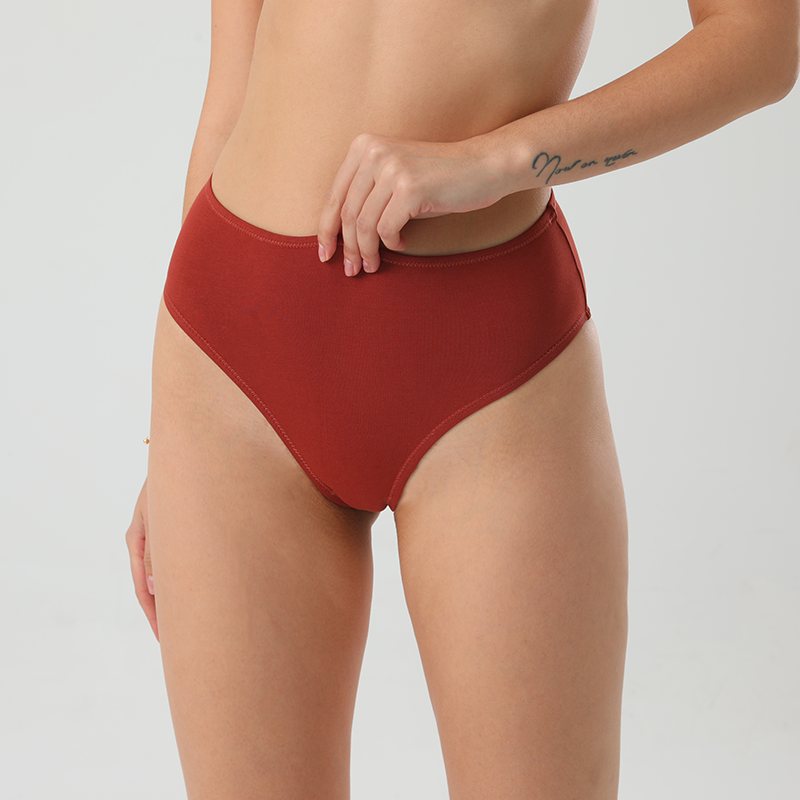
The history of underwear represents far more than simple functional garments. Modern underwear has transformed from purely practical necessities into sophisticated fashion statements that blend comfort, style, and innovation. Today's underwear market reflects decades of evolution, driven by changing social norms, technological advancement, and shifting consumer expectations about what underwear should deliver.
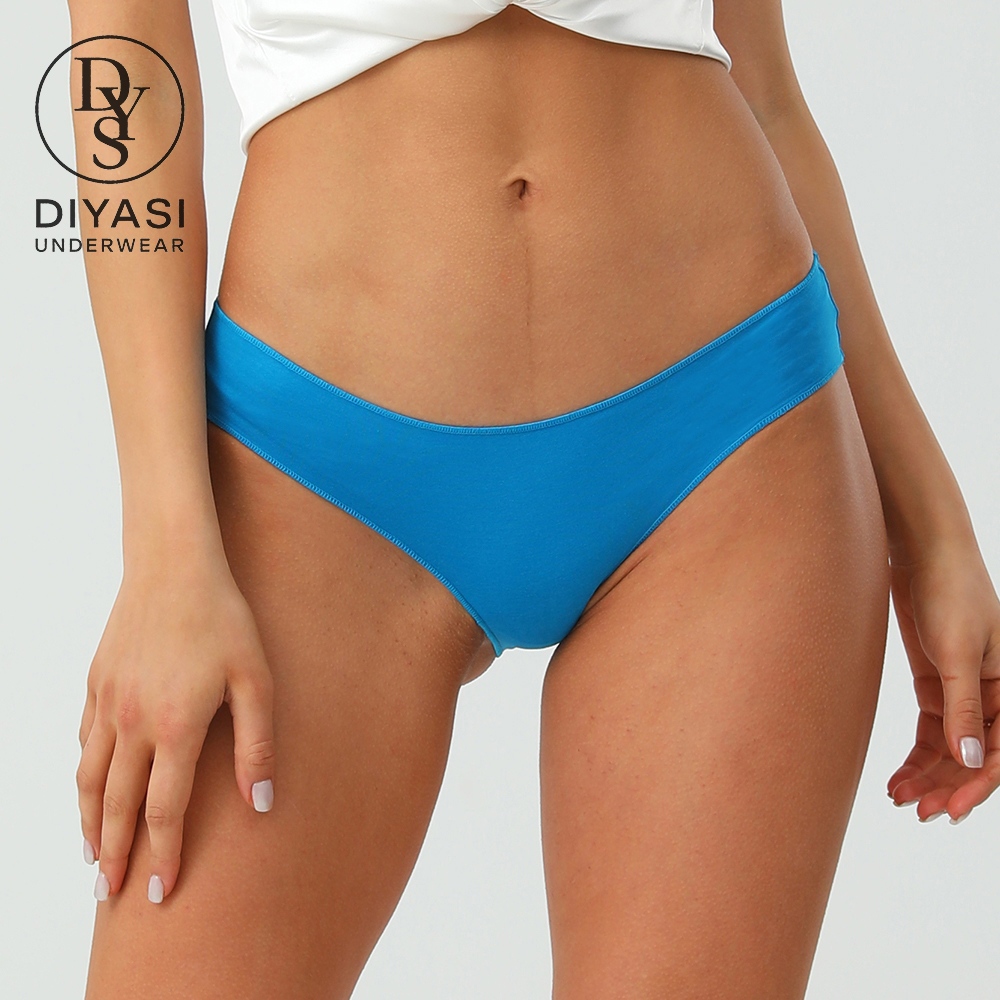
Understanding the journey of underwear from basic essentials to contemporary fashion reveals important insights about consumer behavior, material science, and design philosophy. The modern underwear industry encompasses countless styles, fabrics, and aesthetic approaches that cater to diverse preferences and practical requirements across different demographics and lifestyles.
The Historical Foundation of Underwear Design
From Necessity to Everyday Essential
Early underwear served purely protective and hygienic functions. Ancient civilizations recognized the practical value of undergarments, though they bore little resemblance to modern underwear. Throughout the medieval and Renaissance periods, underwear remained hidden beneath outer clothing, and its design focused entirely on durability and basic coverage. The concept of fashionable underwear simply did not exist, as these garments existed solely for functional purposes beneath public-facing layers.
The industrial revolution dramatically changed underwear production by introducing mechanized manufacturing. What once required hand-sewing and individual craftsmanship could suddenly be produced at scale. This shift meant underwear became more affordable and accessible to broader populations. By the late nineteenth century, underwear had become a standardized commodity, though still viewed primarily as functional rather than fashionable.
Cultural Shifts and Changing Standards
The twentieth century witnessed profound cultural transformations that directly impacted how society viewed underwear. As social attitudes toward modesty evolved and women's liberation movements gained momentum, the purpose and perception of underwear shifted significantly. Post-World War II prosperity enabled consumers to think beyond basic utility and consider style preferences in their underwear choices. This era marked the genuine beginning of underwear as a category that blended function with personal expression.
Throughout the 1960s and 1970s, underwear design began reflecting broader fashion movements. Hippie culture, women's liberation, and youth-driven trends influenced what people wore beneath their clothes. The emergence of synthesized fabrics revolutionized underwear manufacturing, allowing designers to experiment with new elasticity, durability, and comfort properties. Underwear could now be engineered rather than simply sewn from available textiles.
Technological Innovation and Material Advancement
Fabric Science and Performance Enhancement
Modern underwear exists at the intersection of textile engineering and fashion design. Contemporary materials used in underwear production include microfiber, moisture-wicking synthetics, organic cotton blends, bamboo viscose, and specialized performance fabrics. Each material choice influences how underwear performs, feels, and ages through washing cycles. Technical underwear for athletes demands different properties than everyday underwear for casual wear.
The development of moisture-management technologies revolutionized underwear comfort standards. Fabrics engineered to pull perspiration away from skin while drying quickly transformed what athletes and active individuals could expect from undergarments. Similarly, advances in elastic production allowed underwear to maintain shape and support through countless wash cycles without losing functionality. Modern underwear incorporates antimicrobial treatments, temperature-regulating properties, and seamless construction techniques that were impossible decades ago.
Design Innovation and Manufacturing Methods
Contemporary underwear manufacturing employs computer-aided design and automated cutting systems that were unimaginable to twentieth-century producers. Seamless underwear production, now commonplace, requires specialized machines that spin yarn into fabric while simultaneously shaping garments. This technology allows underwear to conform perfectly to body contours without visible seams or uncomfortable ridges beneath clothing. The rise of custom manufacturing has even enabled consumers to order personalized underwear with specific dimensions and design preferences.
3D knitting technology represents the cutting edge of underwear innovation, producing garments with variable density and targeted support in specific areas. Sustainable manufacturing practices have also influenced modern underwear development, with producers investing in dye techniques that minimize water consumption and chemical exposure. These innovations demonstrate how underwear, once considered a basic commodity, now attracts serious engineering and design talent.
Contemporary Underwear as Fashion and Self-Expression
Style Diversity and Market Segmentation
Today's underwear marketplace reflects unprecedented diversity in style, color, pattern, and aesthetic direction. Rather than the limited options available to previous generations, contemporary consumers choose from minimalist designs, bold patterns, luxury brands, budget-friendly options, and everything between. Underwear has become a legitimate fashion category where personal style matters as much as functionality. Consumers now invest in multiple pairs reflecting different moods, occasions, and outfit combinations.
Luxury underwear brands command premium pricing because consumers value the quality, craftsmanship, and aesthetic appeal of sophisticated designs. Meanwhile, sustainable and ethical underwear appeals to environmentally conscious consumers willing to pay more for responsible production. Plus-size underwear availability has dramatically expanded, acknowledging that body diversity demands design flexibility and respectful representation. Specialized underwear for different occasions, body types, and personal preferences has created a genuinely segmented market where underwear quality and style reflect individual values and preferences.
The Intersection of Comfort and Style
Modern consumers increasingly reject false choices between comfort and style in their underwear selections. Contemporary design philosophy emphasizes that quality underwear should excel in both dimensions simultaneously. Breathable fabrics with attractive patterns, supportive designs in elegant silhouettes, and durable materials in sophisticated colors demonstrate that these attributes need not conflict. The rise of athleisure and comfortable fashion more broadly has elevated expectations for how underwear should feel and appear.
Many contemporary consumers view underwear as invisible outerwear—garments that enhance confidence and self-assurance even when completely hidden beneath other clothing. This psychological dimension distinguishes modern underwear from purely functional undergarments. Premium materials, thoughtful construction, and attractive design contribute to how wearers feel throughout their day. The evolution of underwear reflects broader cultural shifts toward valuing personal comfort and self-care alongside external appearance and social presentation.
FAQ
How has underwear design changed over the past fifty years?
Over the past fifty years, underwear has evolved from purely functional garments into fashion-forward pieces reflecting technological advancement and changing social attitudes. Synthetic fabrics replaced primarily cotton options, offering better durability, stretch, and moisture management. Design diversified dramatically, with styles ranging from minimal to full-coverage, in countless colors and patterns. Manufacturing shifted from hand-production to automated systems enabling seamless construction and custom fitting. Perhaps most significantly, underwear transitioned from invisible and unremarkable to celebrated and personalized, with consumers actively choosing styles that reflect their identities and aesthetic preferences.
What makes modern underwear different from vintage styles?
Modern underwear incorporates materials, construction techniques, and design philosophies unavailable to previous generations. Contemporary fabrics offer superior elasticity, moisture-wicking properties, and longevity compared to vintage cotton or early synthetic options. Seamless underwear construction provides comfort impossible in traditionally sewn garments with internal seams. Modern design recognizes diverse body types and style preferences, offering vastly more options than historical standardized shapes and sizes. Additionally, contemporary underwear balances performance requirements with aesthetic appeal, whereas vintage styles typically prioritized durability and coverage over style or comfort considerations.
Why has underwear become a fashion category?
Underwear evolved into a fashion category as cultural attitudes shifted and consumer prosperity increased. When underwear became affordable and abundant through mechanized production, consumers could finally consider preferences beyond basic utility. Improved manufacturing technology enabled designers to create visually interesting and comfortable garments simultaneously. Changing social attitudes eliminated shame around discussing and choosing underwear explicitly. Finally, the broader fashion industry recognized that styling encompassed all layers of clothing, not just visible garments, encouraging investment in attractive and sophisticated undergarment design that supports overall aesthetic expression and personal confidence.