


 EN



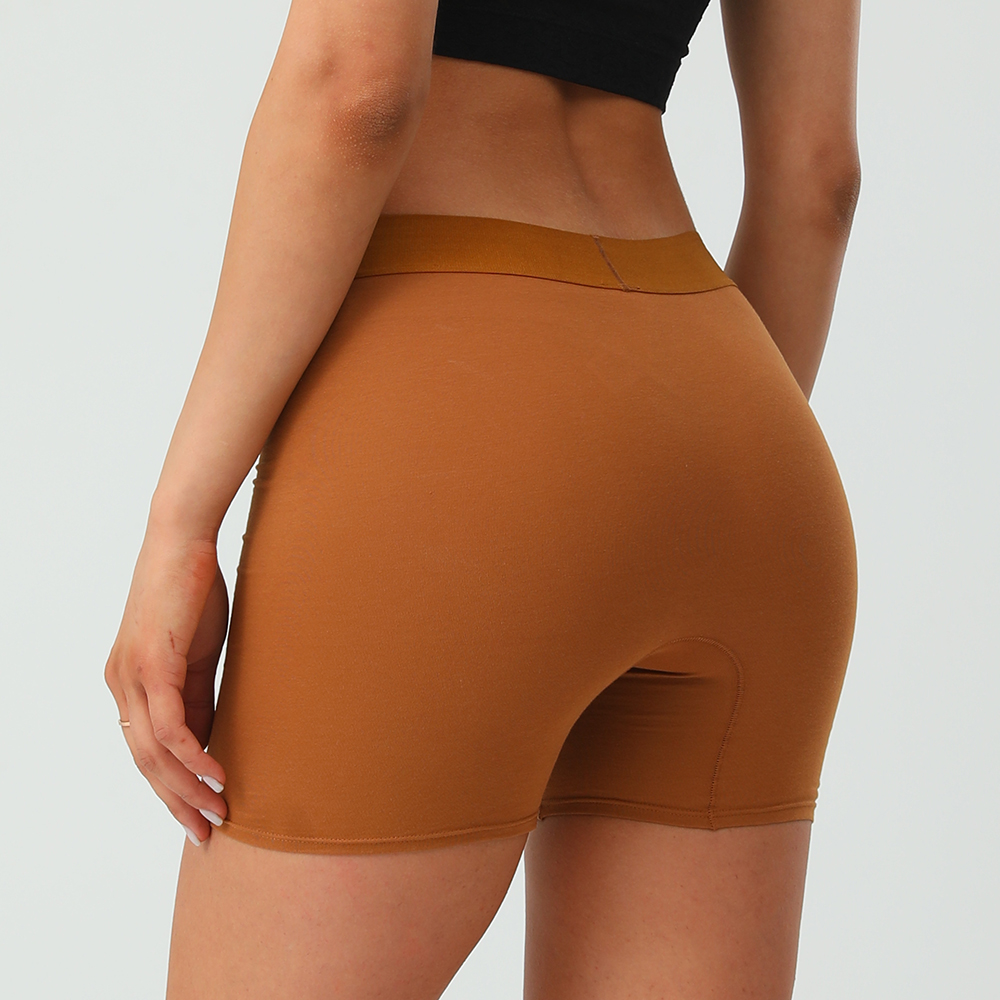
Defining Your Core Intimates Categories: Panties, Bras, Boxers, and Beyond
Why Panties Remain the Strategic Foundation of Any Intimates Line
Panties anchor an intimates assortment because they combine frequent replacement, lower production minimums, and faster feedback loops. Unlike bras or structured boxers, panties require fewer components—reducing sampling time, upfront cost, and engineering complexity. A brand can efficiently test fabric, gusset width, waistband elastic, and rise in a single run. The global women’s underwear market, a reliable proxy for panty demand, was valued at $78 billion in 2023—underscoring consistent replenishment behavior. Most consumers purchase multiple pairs per season, generating repeat-purchase data that directly inform sizing, color planning, and fit refinement.

By mastering panty fit first, a new line establishes a reliable quality baseline—reducing risk when scaling into higher-cost, more technically demanding categories like bras or bodysuits. Panties also serve as a low-cost strategic testbed for validating price tolerance, wash durability, and comfort claims before broader investment. Shorter lead times further enable agile trend testing without overcommitting inventory.
Expanding Thoughtfully: From Panties to Boxers, Bras, and Bodysuits
After establishing panty quality, expansion should follow verified customer demand—not just category completeness. Men’s boxers and boxer briefs introduce distinct fit requirements: pouch construction, fly overlap, and leg circumference control. Bras demand advanced pattern engineering, cup grading, and support system decisions (underwire vs. wire-free). Bodysuits merge underwear-level fit with outerwear-grade stretch and precise crotch snap placement—adding functional and aesthetic complexity.
A phased approach mitigates cost and operational risk. Launch adjacent silhouettes that share existing materials or trims—for example, extending a seamless panty line into briefs, thongs, or boyshorts before introducing bralettes. A boxer launch may reuse waistband technology from a panty line if specifications align. Avoid launching all categories simultaneously unless your production partners and fit model roster are fully vetted and scalable. Each new category must solve a specific, validated customer need—preserving brand consistency and minimizing unsold inventory.
Engineering Fit and Function: Sizing Strategy and Technical Execution for Panties and Boxers
Size Range Design: Balancing Inclusivity, Fit Tolerance, and Production Feasibility
Sizing for panties and boxers must begin with body measurement data—not assumptions. Use graded hip, waist, and thigh metrics to define realistic fit tolerances. While wider size ranges improve inclusivity, each added size increases pattern work, grading time, and factory cost. Many brands achieve strong balance with a core range covering XS–4X across three fit profiles—junior, standard, and curvy—rather than ten isolated sizes. For panties, elastic recovery and gusset width must scale meaningfully with size; boxers require proportionally greater ease in seat and thigh. Maintain consistent grade rules within each block.
Balance commercial demand with production feasibility: overly narrow ranges limit accessibility, while poorly fitted sizes drive returns. Test on fit models whose proportions match your target audience—measuring both at rest and under dynamic stretch. Refine grade rules after wear trials. Robust size-range design directly reduces fit-related returns and supports repeat purchase.
Tech Packs & Quality Control: Critical Checkpoints for Seamless Panties and Structured Boxers
Tech packs translate design intent into unambiguous factory instructions—and are especially critical for performance-sensitive intimates. For seamless panties, specify stitch type, gusset placement, elastic tension, and seamless bonding parameters. For structured boxers, define fly construction (e.g., flat-felled vs. lapped), waistband width and attachment method, and seam allowances for critical stress points.
Quality control begins pre-production: verify fabric weight, colorfastness, and shrinkage. During production, inspect seam strength, edge finish, and dimensional accuracy. Apply AQL (Acceptable Quality Limit) sampling to catch defects early. For seamless styles, confirm consistent stretch and recovery at waist and leg openings. For structured boxers, validate button/snap attachment strength and crotch seam alignment. Document every checkpoint with annotated photos. A precise tech pack cuts sampling rounds; disciplined QC prevents inconsistent sizing and fit complaints—building the reliable foundation for a full intimates line.
Fabric Intelligence: Selecting Performance-Driven Materials for Panties and Modern Boxers
Cotton, Microfiber, Tencel: Matching Fiber Properties to Comfort, Breathability, and Recovery
Selecting fabric for panties and modern boxers means aligning fiber behavior with real-world wear: skin contact, stretch retention, and wash durability. The table below compares three foundational options.
| Fiber | Comfort & Skin Feel | Breathability & Moisture | Recovery & Fit |
|---|---|---|---|
| Cotton | Soft, low irritation | High airflow; absorbs moisture; dries slowly | Moderate; can bag when wet |
| Microfiber | Smooth, lightweight, low friction | Good wicking; fast drying | High; strong shape retention |
| Tencel lyocell | Cool, silky, smooth | Breathable; better moisture absorption than polyester | Good; resists wet cling |
For everyday panties, a cotton-rich knit with 5–10% elastane remains a trusted base—but 100% cotton lacks long-term recovery after repeated washing. Microfiber (typically polyester or nylon-based) excels in seamless construction and boxer shorts, delivering high stretch, clean edges, and rapid dry-down. Tencel lyocell bridges natural comfort and synthetic performance with its cool, silky hand and reduced wet cling—ideal for sensitive skin or warmer climates. Blends often resolve key trade-offs: a cotton or Tencel gusset enhances breathability, while a microfiber body ensures recovery and durability.
For modern boxers, specify fabric weight (GSM) and stitch density: lightweight styles typically use 140–180 GSM; structured versions may require 200–240 GSM. Critically, test waistband and leg-opening elongation recovery after at least five wash cycles—this step prevents sagging and preserves fit integrity across the wear life. This intentional material strategy reduces returns tied to fit fatigue and skin sensitivity as the line evolves beyond panties.
FAQ
Why are panties considered a strategic foundation for an intimates line?
Panties are a strategic foundation due to their frequent replacement cycle, lower production costs, and fast market feedback loops. They allow brands to refine quality and fit before expanding into more complex categories like bras or bodysuits.
How can a brand expand from panties to other categories like bras, boxers, or bodysuits?
Expansion should follow customer demand and focus on adjacent categories with similar materials or technology. A phased approach helps reduce costs and operational risks while solving specific customer needs.
What should be considered while designing size ranges for panties and boxers?
Size ranges should be based on accurate body measurements, balancing inclusivity, fit tolerance, and production feasibility. Testing on fit models and wear trials are crucial to refine sizing.
What are the critical aspects of quality control for intimates production?
Quality control includes checking fabric weight, seam strength, shrinkage, and stretch recovery during both pre-production and production phases. Tech packs with detailed instructions and quality checkpoints help ensure consistency.
Which fabrics are best suited for panties and modern boxers?
Cotton, microfiber, and Tencel lyocell all have distinct advantages. Cotton is breathable but lacks recovery; microfiber offers high stretch and durability, while Tencel is ideal for sensitive skin and warmer climates.
Table of Contents
- Defining Your Core Intimates Categories: Panties, Bras, Boxers, and Beyond
- Engineering Fit and Function: Sizing Strategy and Technical Execution for Panties and Boxers
- Fabric Intelligence: Selecting Performance-Driven Materials for Panties and Modern Boxers
-
FAQ
- Why are panties considered a strategic foundation for an intimates line?
- How can a brand expand from panties to other categories like bras, boxers, or bodysuits?
- What should be considered while designing size ranges for panties and boxers?
- What are the critical aspects of quality control for intimates production?
- Which fabrics are best suited for panties and modern boxers?