


 EN


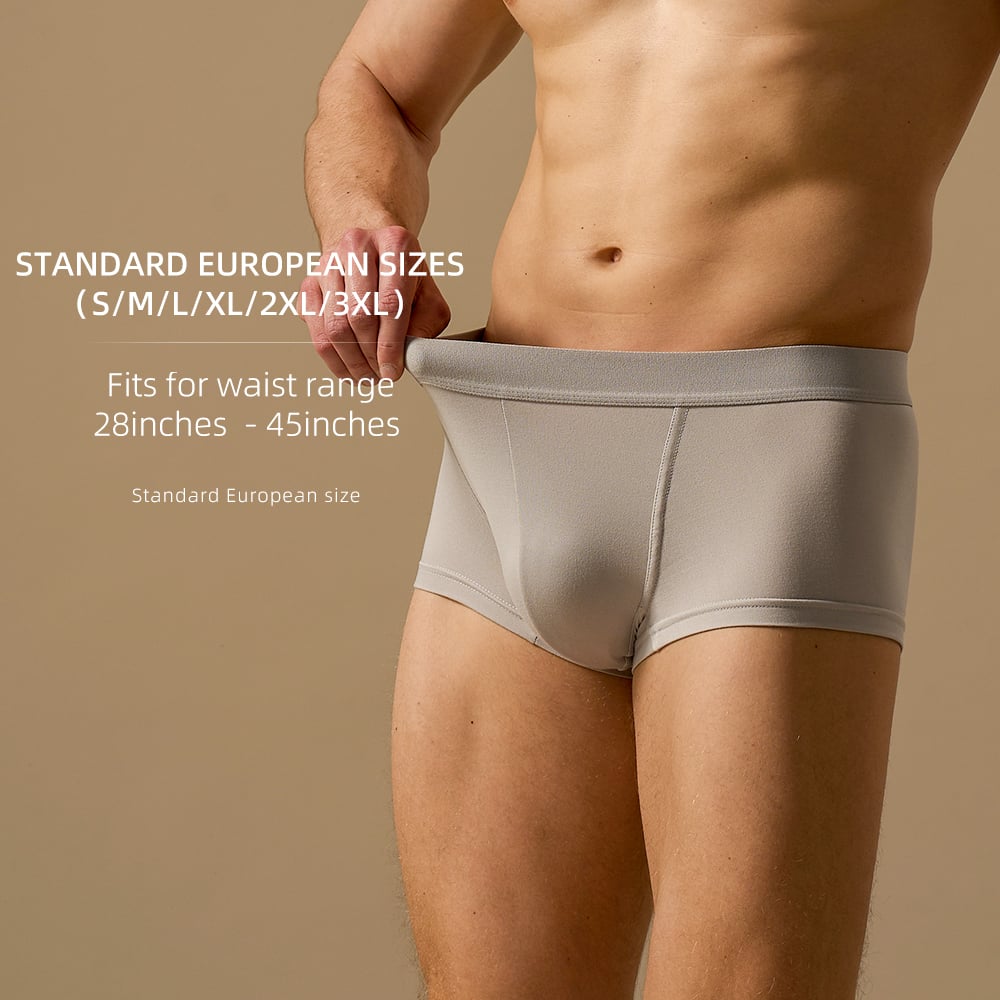
The underwear market continues to shift rapidly, and independent brands must stay informed about emerging trends to remain competitive. From changing consumer preferences to new fabric innovations, the underwear landscape in 2024 reflects a broader movement toward sustainability, inclusivity, and authentic brand storytelling. Understanding these underwear trends is critical for entrepreneurs and boutique owners who want to capture market share without the resources of large corporations. This guide explores the most significant underwear developments that independent brands should monitor closely this year.
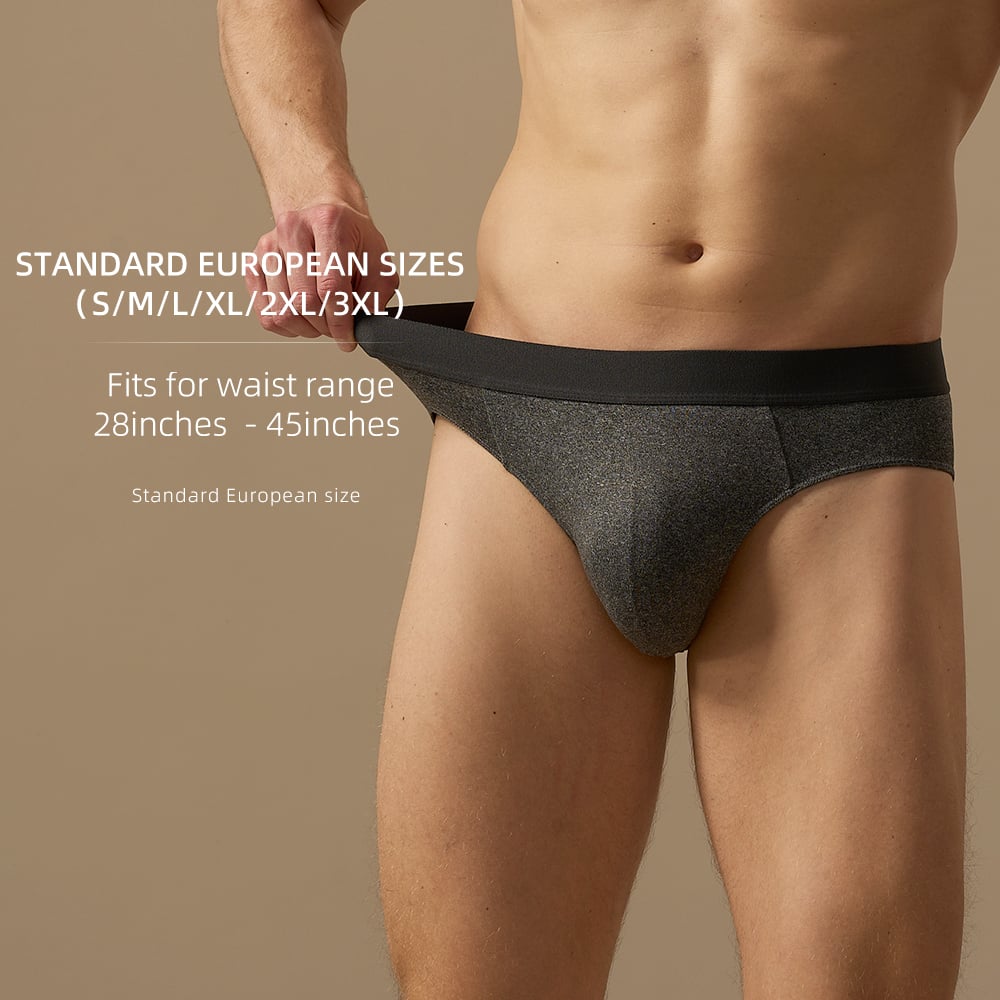
Independent brands have a unique advantage in responding to underwear trends because they can pivot quickly, build personal connections with customers, and create authentic narratives around their products. Unlike mass-market manufacturers, boutique and influencer-driven brands can test new underwear styles, materials, and marketing approaches without the overhead costs and bureaucratic delays of larger organizations. The key is recognizing which underwear trends align with your brand identity and customer expectations.
Sustainability and Ethical Production in Underwear
Eco-Friendly Materials Driving Consumer Demand
Sustainability has moved beyond a niche concern into a core expectation for many underwear consumers, particularly younger demographics. Independent brands focusing on organic cotton, bamboo viscose, and recycled materials are capturing growing market segments. Consumers researching underwear options now actively seek transparency about production methods, material sourcing, and environmental impact. Brands that communicate their sustainability story clearly—whether through packaging, social media, or direct customer communication—gain trust and loyalty that translates into repeat purchases and word-of-mouth recommendations.
The underwear industry's shift toward sustainable materials reflects broader fashion consciousness. Bamboo and organic cotton require fewer pesticides and water compared to conventional cotton, making these underwear choices appealing to environmentally aware customers. For independent brands, sourcing sustainable materials for your underwear line may initially cost more, but the premium pricing power and customer retention benefits justify the investment. Many successful boutique underwear labels have built their entire brand identity around ethical production, making sustainability a competitive strength rather than an additional cost.
Transparency and Supply Chain Communication
Customers increasingly want to know where their underwear comes from and who made it. Independent brands can leverage this trend by clearly communicating their supply chain, manufacturing partners, and quality standards. Unlike large corporations with complex global operations, smaller underwear brands can offer genuine transparency that builds consumer confidence. Sharing production details, artisan stories, and ethical certifications transforms your underwear brand into a trusted choice within a crowded marketplace. This transparency becomes a powerful marketing tool that larger competitors struggle to replicate effectively.
Inclusivity and Diverse Sizing in the Underwear Market
Extended Size Ranges and Body Positivity
The underwear market has historically excluded many body types, but this is changing rapidly. Independent brands that offer extended underwear sizes—from XS through 5XL and beyond—access underserved customer segments actively seeking inclusive options. Body positivity and size inclusivity are no longer marketing buzzwords; they represent genuine market demand. Brands that authentically embrace diverse body types in their underwear marketing, photography, and fit specifications earn customer loyalty that competitors cannot easily disrupt. The financial opportunity is substantial: many consumers spend years searching for underwear that fits properly before finding brands that cater to their needs.
Beyond size ranges, inclusive underwear design includes considerations for different body shapes, activity levels, and personal preferences. Some customers prefer high-waisted underwear styles, while others favor minimal coverage. Independent brands can test diverse underwear designs and styles without the rigid product-line constraints that large manufacturers face. This flexibility allows boutique brands to create specialized underwear collections—such as lines for athletes, postpartum customers, or specific cultural preferences—that generate passionate customer communities and justify premium pricing.
Representation in Marketing and Brand Imagery
How brands represent their customers matters significantly in the underwear space. Independent brands that feature diverse models, body types, and skin tones in their underwear marketing naturally attract customers who feel represented and valued. This representation extends beyond photography to include diverse brand leadership, customer stories, and community building around your underwear line. Customers notice and support brands that genuinely celebrate diversity rather than performatively using diverse imagery. For independent brands, authentic representation often costs less than large-scale campaigns but generates stronger emotional connections with customers.
Digital Innovation and Direct-to-Consumer Underwear Sales
Personalization and Custom Underwear Options
Technology is enabling independent brands to offer personalized underwear experiences that previously required massive infrastructure. Custom sizing, monogramming, color options, and tailored fabric selections allow customers to create underwear that matches their exact preferences. Direct-to-consumer models let boutique brands collect customer data, understand preferences, and offer underwear solutions that mass-market brands cannot provide at scale. This personalization trend transforms underwear from a commodity into a customized product, commanding premium prices while building stronger customer relationships. Independent brands that embrace customization and flexibility gain significant competitive advantages in the evolving market.
Personalized underwear also reduces inventory risk for independent brands. Rather than guessing which colors, sizes, and styles will sell, brands can take pre-orders or produce made-to-order underwear based on confirmed customer demand. This approach aligns production with actual sales, minimizing waste and financial exposure. Technology platforms now make it feasible for small brands to manage customization workflows without investing in complex in-house systems, democratizing advanced manufacturing capabilities that were previously available only to large corporations.
Social Commerce and Influencer Partnerships
Independent underwear brands are increasingly leveraging social commerce channels like Instagram, TikTok, and Pinterest to reach customers directly. Influencer partnerships amplify brand visibility and build credibility through trusted voices in the community. The underwear industry benefits particularly from influencer collaborations because intimate apparel recommendations carry significant weight when they come from creators customers already trust. Micro-influencers with engaged niche audiences often drive stronger conversion rates than celebrity endorsements, making influencer partnerships especially valuable for boutique brands with limited marketing budgets. Building relationships with fashion, lifestyle, and body-positive influencers should be a priority for independent underwear brands looking to expand market reach.
FAQ
What are the fastest-growing underwear trends for independent brands in 2024?
The fastest-growing underwear trends include sustainable and organic materials, extended size inclusivity, customization and personalization options, and transparent supply chain communication. Additionally, comfortable and functional underwear designs that prioritize performance features and body-positive messaging are gaining significant traction. Independent brands that combine multiple trends—such as sustainable, inclusive, and customizable underwear—position themselves to capture emerging market segments effectively.
How can independent brands use underwear trends to differentiate from competitors?
Independent brands can differentiate by authentically embracing specific underwear trends that align with their brand values and target customer segment. Rather than chasing every trend, focus on becoming known for excellence in areas like sustainability, inclusivity, or customization. Tell your brand story clearly, be transparent about your underwear production and sourcing, and engage meaningfully with your community. This authentic differentiation builds loyal customers who actively choose your brand because it reflects their values and addresses their specific needs.
What investment is required for independent brands to offer sustainable underwear products?
The initial investment in sustainable underwear materials typically costs 15–30% more than conventional materials, but this premium often translates to higher retail prices and stronger customer retention. Many independent brands start with a limited collection using sustainable materials while maintaining some conventional options, gradually expanding their sustainable line as demand grows. Low-minimum-order quantities from manufacturing partners allow boutique brands to test sustainable underwear without major financial commitments. Consider the investment as building brand equity and customer loyalty rather than merely increasing product costs.