
 EN
EN


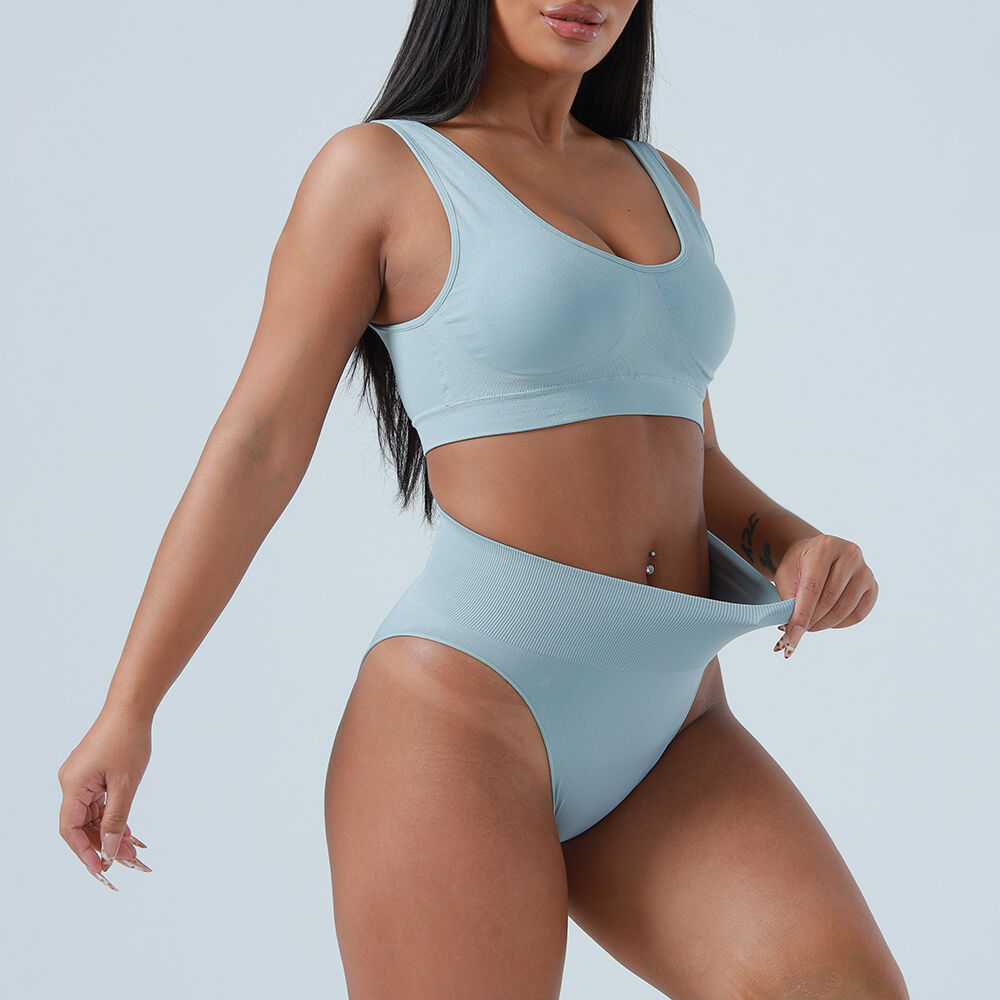
The underwear industry represents one of the most competitive and quality-sensitive segments in fashion manufacturing. Whether you're launching a boutique brand or expanding an established fashion line, understanding the intricacies of underwear manufacturing is crucial for success. From material selection to production processes, every aspect of manufacturing impacts the final product quality and customer satisfaction. This comprehensive guide explores the essential elements of sourcing and manufacturing underwear at factory level, providing insights that help brands make informed decisions throughout their production journey.
Understanding Underwear Manufacturing Fundamentals
Material Selection and Quality Standards
Fabric selection forms the foundation of quality underwear manufacturing. Cotton remains the most popular choice due to its breathability, comfort, and natural properties that suit intimate apparel. Modern manufacturing facilities typically offer various cotton blends, including organic cotton, bamboo-cotton hybrids, and moisture-wicking synthetic blends. The choice of material directly impacts the comfort, durability, and market positioning of your underwear brand. High-quality manufacturers maintain strict quality control standards, testing fabric tensile strength, colorfastness, and shrinkage rates before production begins.
Textile weight and weave patterns significantly influence the final product characteristics. Lightweight fabrics work well for everyday underwear, while slightly heavier materials provide better structure for shapewear applications. Professional manufacturers evaluate fabric specifications including GSM (grams per square meter), stretch recovery, and dye penetration to ensure consistent quality across production runs. Understanding these technical aspects helps brands communicate effectively with manufacturers and set appropriate quality expectations.
Production Process Overview
Modern underwear manufacturing follows a systematic approach that begins with pattern development and grading. Skilled pattern makers create templates that accommodate different sizes while maintaining design integrity and fit consistency. The cutting process utilizes computerized cutting systems that maximize fabric utilization while ensuring precise piece dimensions. Quality manufacturers employ laser cutting or die-cutting techniques for intricate designs and consistent edge finishing.
Sewing operations require specialized equipment designed for stretchy fabrics and seamless construction techniques. Overlock machines, flatlock seamers, and coverstitch machines create durable seams that withstand repeated washing and wearing. Professional facilities maintain equipment calibrated for different fabric types, ensuring consistent stitch quality throughout production. The assembly process typically includes multiple quality checkpoints where skilled operators inspect construction details, measurements, and overall appearance before moving to finishing stages.
Manufacturer Selection and Partnership Development
Evaluating Manufacturing Capabilities
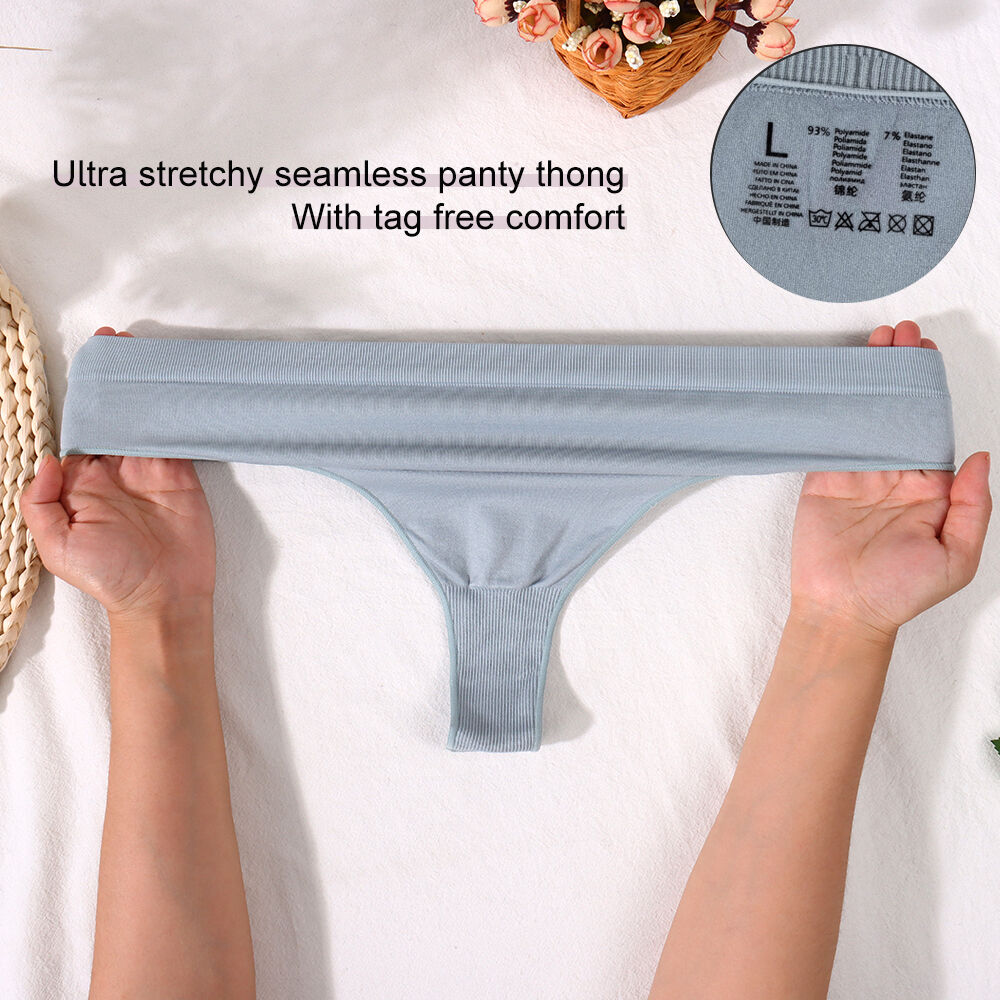
Selecting the right manufacturing partner requires thorough evaluation of production capabilities, quality systems, and business practices. Established underwear manufacturers possess specialized equipment designed for intimate apparel production, including seamless knitting machines, elastic application systems, and automated cutting equipment. Their production capacity should align with your volume requirements while maintaining flexibility for seasonal variations and growth projections.
Quality certifications provide valuable insights into manufacturer standards and capabilities. Look for facilities with OEKO-TEX certifications, which ensure textile safety and environmental responsibility. ISO quality management certifications indicate systematic approaches to quality control and continuous improvement. Many reputable manufacturers also maintain social compliance certifications, demonstrating commitment to ethical labor practices and working conditions. These certifications reflect the manufacturer's investment in maintaining professional standards and regulatory compliance.
Communication and Collaboration Strategies
Effective communication with underwear manufacturers requires clear specification of design requirements, quality standards, and production timelines. Detailed technical packages should include flat sketches, measurement charts, construction details, and material specifications. Professional manufacturers appreciate comprehensive documentation that minimizes interpretation errors and ensures accurate sample development. Regular communication throughout the development process helps identify potential issues early and maintains project momentum.
Building strong manufacturer relationships involves understanding their capabilities and constraints while clearly communicating your brand requirements. Successful partnerships balance cost considerations with quality expectations, allowing manufacturers to recommend improvements while respecting design intent. Many experienced manufacturers offer valuable insights into fit optimization, construction techniques, and material alternatives that can enhance product performance or reduce costs without compromising quality.
Quality Control and Testing Procedures
Pre-Production Quality Verification
Pre-production samples serve as the quality benchmark for bulk production, making thorough evaluation critical for consistent results. Sample review should include fit assessment, construction quality, material performance, and overall appearance. Professional evaluation involves wearing tests, wash tests, and stress testing to identify potential issues before committing to large production runs. Detailed feedback to manufacturers helps refine production specifications and prevent quality issues in final products.
Material testing protocols ensure that fabrics meet performance expectations throughout the product lifecycle. Standard tests include colorfastness evaluation, shrinkage assessment, and stretch recovery testing. These evaluations help predict how underwear will perform after multiple wash cycles and extended wear. Quality manufacturers maintain testing facilities or partnerships with certified testing laboratories to verify material specifications and provide documentation supporting quality claims.
Production Monitoring and Quality Assurance
In-line quality control during production prevents defects from progressing through manufacturing stages. Skilled quality control personnel inspect materials, cutting accuracy, sewing quality, and finishing details at predetermined checkpoints. Statistical quality control methods help identify trends and prevent systematic issues from affecting large quantities of product. Regular production monitoring ensures that quality standards remain consistent throughout manufacturing runs.
Final inspection procedures verify that completed underwear meets all specification requirements before packaging and shipment. Comprehensive inspection includes dimensional verification, construction quality assessment, and appearance evaluation. Professional manufacturers document inspection results and maintain quality records that support continuous improvement efforts and customer satisfaction initiatives.
Cost Management and Order Optimization
Pricing Structure Analysis
Understanding manufacturer pricing structures helps brands optimize costs while maintaining quality standards. Component costs include materials, labor, packaging, and overhead expenses that vary based on design complexity and production volume. Simple underwear designs with standard construction typically offer lower per-unit costs, while complex designs with special features require additional processing time and specialized skills. Transparent pricing discussions with manufacturers help identify cost-saving opportunities without compromising product integrity.
Volume considerations significantly impact pricing negotiations and production efficiency. Larger order quantities typically qualify for better material pricing and reduced setup costs per unit. However, brands must balance volume discounts against inventory investment and cash flow requirements. Many manufacturers offer flexible MOQ options that accommodate smaller brands while providing pathways for scaling production as business grows.
Production Planning and Timeline Management
Effective production planning coordinates material procurement, manufacturing scheduling, and delivery requirements to meet market deadlines. Seasonal underwear collections require careful timing to ensure product availability aligns with retail selling seasons. Professional manufacturers provide detailed production schedules that account for material lead times, sample development periods, and manufacturing capacity constraints.
Lead time management involves coordinating multiple variables including design finalization, material sourcing, production scheduling, and logistics arrangements. Experienced manufacturers help brands understand realistic timelines for different types of underwear products and recommend strategies for optimizing delivery schedules. Clear timeline expectations prevent delays and support successful product launches.
Customization and Brand Development Support
Design Development Services
Many underwear manufacturers offer design development services that help brands create unique products tailored to their target markets. Professional design teams understand fit requirements, construction limitations, and market trends that influence product development decisions. These services typically include pattern development, fit optimization, and technical specification documentation that supports successful production outcomes.
Custom sizing and fit development addresses specific market needs and brand positioning strategies. Manufacturers with extensive experience can recommend sizing adjustments based on target demographics and regional preferences. Fit expertise becomes particularly valuable for brands targeting specific body types or cultural preferences that differ from standard sizing conventions commonly used in mass market underwear production.
Branding and Packaging Integration
Professional manufacturers support brand identity through custom labeling, packaging design, and presentation services. Custom label production includes woven labels, printed labels, and heat transfer applications that maintain brand consistency across product lines. Many facilities offer packaging services ranging from simple polybag packaging to premium presentation boxes that enhance retail appearance and customer experience.
Private label manufacturing enables brands to focus on marketing and sales while leveraging manufacturer expertise in product development and production management. Successful private label partnerships combine manufacturer technical capabilities with brand market knowledge to create products that resonate with target customers while maintaining competitive pricing and quality standards.
Sustainability and Ethical Manufacturing
Environmental Considerations
Sustainable underwear manufacturing addresses environmental concerns through responsible material sourcing, efficient production processes, and waste reduction initiatives. Organic cotton, recycled polyester, and bamboo fiber options provide environmentally conscious alternatives to conventional materials. Progressive manufacturers invest in water-efficient dyeing processes, renewable energy systems, and waste recycling programs that minimize environmental impact while maintaining production quality.
Packaging sustainability extends environmental responsibility beyond product manufacturing to include recyclable packaging materials, minimal packaging designs, and biodegradable options. Brands increasingly recognize that sustainable packaging aligns with consumer values and supports overall brand messaging. Manufacturers offering sustainable packaging alternatives help brands differentiate themselves in competitive markets while supporting environmental stewardship.
Ethical Production Practices
Social responsibility in underwear manufacturing encompasses fair labor practices, safe working conditions, and community support initiatives. Certified manufacturers demonstrate commitment to ethical practices through third-party audits, transparent reporting, and continuous improvement programs. These practices ensure that production partners align with brand values and support positive social impact throughout the supply chain.
Worker welfare programs, skills development initiatives, and community engagement activities reflect manufacturer commitment to social responsibility. Brands partnering with socially responsible manufacturers can confidently communicate their commitment to ethical practices while supporting positive workplace environments and community development in manufacturing regions.
Future Trends in Underwear Manufacturing
Technology Integration and Innovation
Advanced manufacturing technologies continue to transform underwear production through automation, digital printing, and seamless construction techniques. 3D knitting technology enables seamless underwear production with minimal waste and superior fit characteristics. Digital textile printing allows for custom designs, small batch production, and rapid prototyping that supports responsive product development and market testing initiatives.
Smart textile integration introduces functional features including moisture management, temperature regulation, and antibacterial properties that enhance underwear performance. These innovations require specialized manufacturing capabilities and quality control procedures that ensure consistent performance benefits. Forward-thinking manufacturers invest in technology and training necessary to support advanced textile applications and innovative product development.
Market Evolution and Consumer Expectations
Changing consumer preferences drive continued evolution in underwear design, materials, and manufacturing approaches. Increased emphasis on comfort, sustainability, and personalization influences product development decisions and manufacturing requirements. Successful manufacturers adapt their capabilities to support emerging trends while maintaining efficiency and quality standards that enable competitive pricing.
E-commerce growth and direct-to-consumer business models create new requirements for packaging, fulfillment, and customer experience support. Manufacturers increasingly offer integrated services that support online retail operations, including individual packaging, direct shipping, and inventory management services that help brands focus on customer acquisition and retention activities.
FAQ
What minimum order quantities should brands expect when working with underwear manufacturers?
Minimum order quantities for underwear manufacturing typically range from 100 to 1000 pieces per style and color, depending on the manufacturer and production complexity. Smaller specialized manufacturers often offer lower MOQs to support emerging brands, while larger facilities may require higher volumes for efficiency. Custom designs, special materials, or complex construction details may increase minimum order requirements due to setup costs and production efficiency considerations.
How long does the typical underwear manufacturing process take from order to delivery?
Standard underwear production timelines range from 2-6 weeks after sample approval, depending on order size, design complexity, and manufacturer capacity. This timeline includes material procurement, cutting, sewing, quality control, and packaging processes. Custom designs or special materials may extend timelines, while repeat orders of established styles often process more quickly. Seasonal demand periods may affect production schedules, making early planning essential for timely delivery.
What quality certifications should brands look for in underwear manufacturers?
Key certifications for underwear manufacturers include OEKO-TEX Standard 100 for textile safety, ISO 9001 for quality management systems, and GOTS (Global Organic Textile Standard) for organic materials. Social compliance certifications such as WRAP, BSCI, or SA8000 demonstrate ethical manufacturing practices. These certifications indicate manufacturer commitment to quality, safety, and responsible business practices that support brand reputation and regulatory compliance.
How can brands ensure consistent quality across multiple production runs?
Consistent quality requires detailed specifications, approved samples, regular communication, and systematic quality control procedures. Brands should maintain comprehensive technical packages including measurements, construction details, and quality standards. Regular production visits, third-party inspections, and statistical quality control methods help monitor consistency. Building strong relationships with manufacturers and providing clear feedback supports continuous improvement and long-term quality consistency across all production runs.
Table of Contents
- Understanding Underwear Manufacturing Fundamentals
- Manufacturer Selection and Partnership Development
- Quality Control and Testing Procedures
- Cost Management and Order Optimization
- Customization and Brand Development Support
- Sustainability and Ethical Manufacturing
- Future Trends in Underwear Manufacturing
-
FAQ
- What minimum order quantities should brands expect when working with underwear manufacturers?
- How long does the typical underwear manufacturing process take from order to delivery?
- What quality certifications should brands look for in underwear manufacturers?
- How can brands ensure consistent quality across multiple production runs?