


 EN
EN


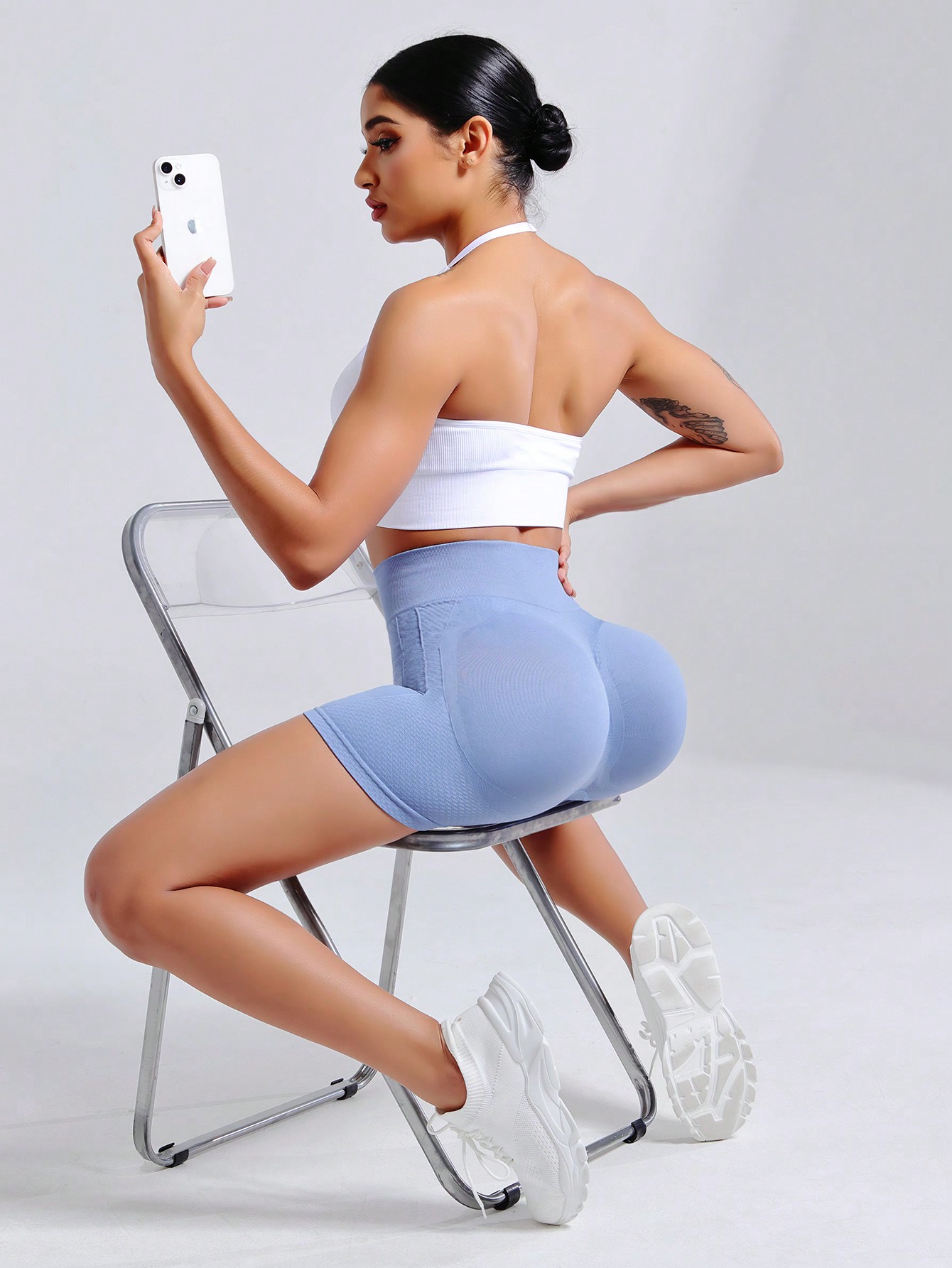
Manufacturing yoga clothes requires a comprehensive understanding of materials, production techniques, and quality standards that distinguish premium activewear from basic athletic wear. Brands looking to produce yoga clothes must navigate complex supply chains, fabric selection, and rigorous testing protocols to ensure their products meet consumer expectations for performance, comfort, and durability. This guide explores the essential steps involved in creating yoga clothes that perform in practice and resonate with discerning fitness enthusiasts.
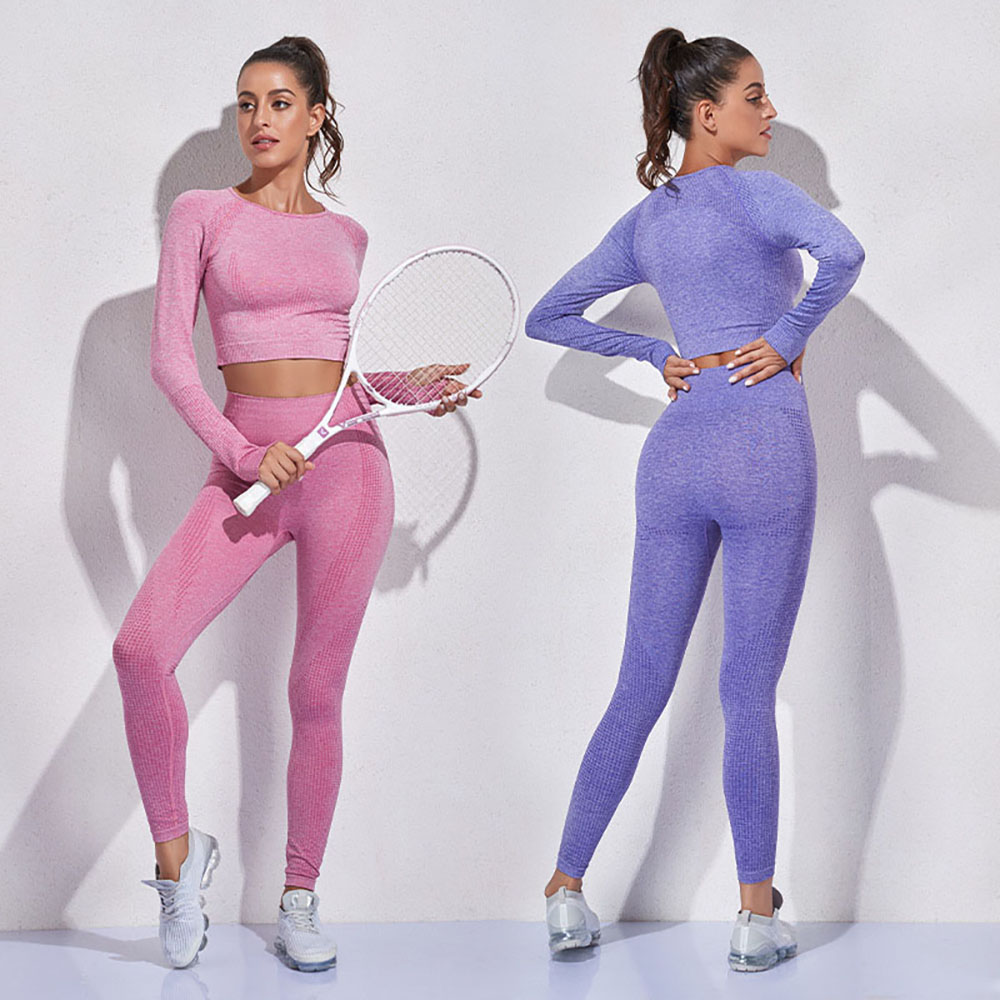
The yoga clothes market has evolved dramatically over the past decade, shifting from simple cotton garments to sophisticated engineered fabrics designed for specific movement patterns and environmental conditions. Whether you are launching a boutique yoga wear brand or expanding an existing activewear collection to include yoga clothes, understanding the manufacturing landscape will help you make informed decisions about sourcing, production partners, and quality benchmarks that define your brand identity.
Selecting Materials and Fabrics for Yoga Clothes
Understanding Fabric Performance Requirements
Yoga clothes demand fabrics that balance moisture-wicking, stretch recovery, and breathability in ways that standard activewear does not always require. When sourcing yoga clothes, manufacturers must prioritize materials that support dynamic movement, maintain shape after hundreds of washing cycles, and provide enough opacity during inversions and forward folds. Nylon-spandex blends remain industry standards for yoga clothes because they offer superior elasticity, while polyester-spandex combinations deliver improved durability for high-frequency users who practice multiple times weekly.
Evaluating Sustainable and Premium Fabric Options
Modern yoga clothes manufacturers increasingly incorporate sustainable fabrics such as recycled polyester, organic cotton blends, and innovative materials like REPREVE or recycled fishing nets. These premium options align with the values of yoga practitioners who often prioritize environmental consciousness, allowing brands to differentiate their yoga clothes in a competitive market. Testing fabric consistency, dye stability, and shrinkage rates across multiple batches ensures that your yoga clothes maintain quality standards regardless of production scale or seasonal variations in raw material sourcing.
Production Techniques and Manufacturing Processes
Pattern Development and Grading for Yoga Clothes
Creating accurate patterns specifically designed for yoga clothes requires understanding how fabrics behave during movement and recovery. Yoga clothes patterns must accommodate increased range of motion compared to casual wear, requiring extended grading across sizes to ensure consistent fit proportions. The seam placement, dart positioning, and panel construction in yoga clothes differ significantly from standard apparel because they must accommodate deep stretches, hip mobility work, and overhead movements without binding or shifting during practice sessions.
Cutting, Sewing, and Assembly Standards
Manufacturing yoga clothes involves precision cutting techniques using computer-guided markers to minimize fabric waste while maintaining consistent dimensions across production batches. Flat-lock seaming and strategic seam placement are critical for yoga clothes because traditional seams can create discomfort during floor work or prolonged stretching. Quality assurance teams must inspect yoga clothes for proper alignment, thread tension, and construction integrity before finishing, as defects in seam placement or stitching become immediately apparent to end users during active practice.
Quality Control and Testing Protocols for Yoga Clothes
Performance and Durability Testing
Rigorous testing of yoga clothes ensures that products perform consistently across diverse usage patterns and environmental conditions. Manufacturers should conduct pilling resistance tests, color fastness evaluations, and repeated stretch-recovery cycles on all yoga clothes prototypes before entering production. Additionally, yoga clothes must undergo dimensional stability testing to verify that garments do not shrink excessively or lose elasticity after washing, as this directly impacts customer satisfaction and brand reputation in the highly engaged yoga community.
Fit and Comfort Validation
Testing yoga clothes with actual practitioners during development stages provides invaluable feedback on comfort, movement freedom, and practical functionality. Brands manufacturing yoga clothes should conduct wear trials that simulate real usage scenarios, including heated classes, outdoor practice, and extended wear periods, to identify potential issues before commercial launch. Yoga clothes that pass rigorous fit testing demonstrate superior performance and build customer loyalty through consistent quality and reliable functionality across diverse practice environments.
Scaling Production and Supply Chain Management
Vendor Selection and Production Partnerships
Choosing manufacturing partners capable of producing yoga clothes at your desired volumes requires evaluating their experience with technical fabrics, quality control systems, and ability to scale efficiently. Manufacturers of yoga clothes must maintain consistent standards across multiple production runs and seasons, necessitating transparent communication about specifications, quality benchmarks, and delivery schedules. Site visits to potential production facilities allow brand leaders to assess equipment capability, workforce training, and quality assurance infrastructure before committing to large-scale yoga clothes manufacturing partnerships.
Inventory Management and Demand Planning
Effective inventory management for yoga clothes requires balancing production efficiency with market demand fluctuations and seasonal variations in consumer purchasing behavior. Brands manufacturing yoga clothes should implement forecasting systems that account for lead times, minimum order quantities, and seasonal trends to avoid excess inventory or stock-outs. Maintaining relationships with multiple suppliers and production partners for yoga clothes provides flexibility to respond to unexpected demand spikes or address quality issues without disrupting fulfillment or damaging customer relationships.
FAQ
What certifications should yoga clothes manufacturers require?
Reputable yoga clothes manufacturers should hold certifications such as ISO 9001 for quality management, OEKO-TEX for chemical safety, and Fair Trade or ethical sourcing credentials if sustainability is a brand priority. These certifications demonstrate that yoga clothes meet international standards for safety, environmental responsibility, and labor practices, providing consumer confidence and competitive market positioning. Certifications specific to yoga clothes production, such as those verifying moisture-wicking performance or anti-microbial properties, further validate product quality and performance claims.
How do fabric composition choices affect yoga clothes pricing?
Fabric composition significantly impacts the manufacturing cost of yoga clothes, with premium blends and sustainable materials commanding higher per-unit costs than standard synthetic blends. Yoga clothes made from recycled materials or organic fibers typically retail at 15–25 percent price premiums compared to conventional options, reflecting both material costs and consumer willingness to pay for sustainability. Manufacturers must balance material quality, production efficiency, and market positioning when selecting fabrics for yoga clothes to ensure competitive pricing while maintaining profit margins and brand perception.
What production volume minimums should brands expect for yoga clothes?
Most established manufacturers of yoga clothes require minimum order quantities between 500 and 2000 units per style, depending on complexity, customization level, and production facility capacity. Emerging brands manufacturing yoga clothes for the first time may negotiate smaller quantities with specialized producers or consider contract manufacturing options that provide greater flexibility during product development phases. Understanding minimum order requirements for yoga clothes production helps brands plan inventory investment, cash flow, and go-to-market timing effectively.