
 EN
EN




Að sækja aðlaðandi G-streng, tanga stíl fyrir heildsölu krefst þess að skilja bæði gæðakröfur vörunnar og áreiðanleika birgja til að mæta smáverslun eftirspurn. Vel heppnir heildsölu kaupendur einbeita sér að því að finna framleiðendur sem geta skilað samræmdum stærðum, þægilegum efnum og aðlaðandi hönnun sem laða að markmið viðskiptavini á meðan viðhalda samkeppnishæfum verðlagningu sem styðja við arðbær
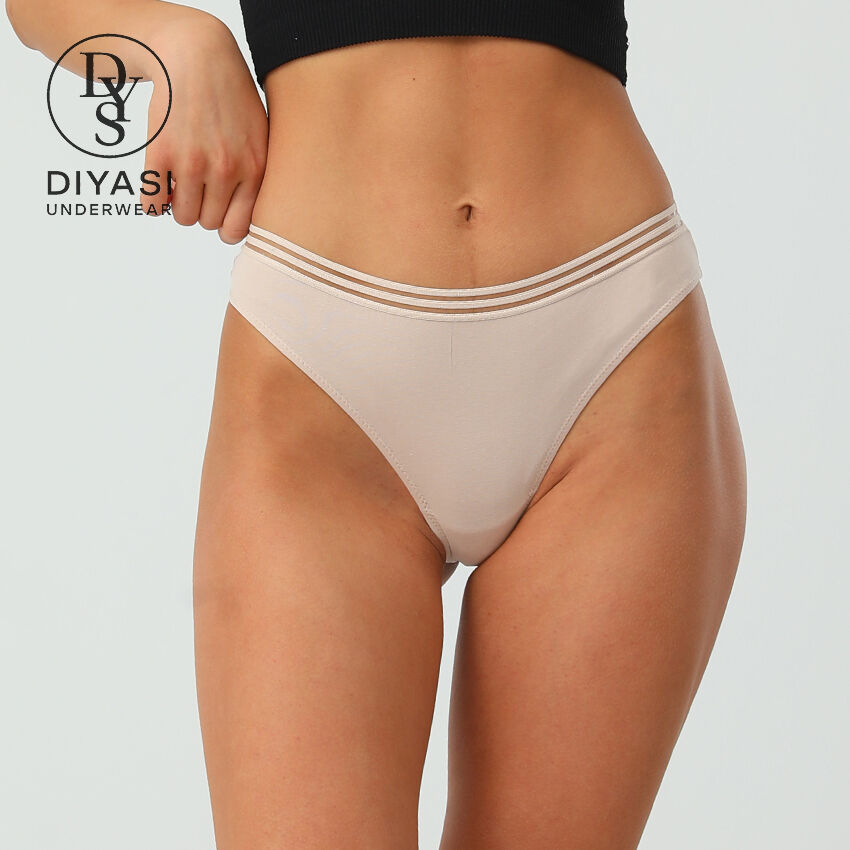
Veiðslumarkaður undirlífsfatnaðar býður upp á einkennandi áskorunir þegar leitað er að G-string og tanga vöru fyrir veiðslu vegna breytilegra gæðastanda, ósamhverfa stærða og þörfar á framleiðendum sem skilja bæði kröfur um komu og áhorfandi áhrif. Vegna veiðslusamþykktar er mikilvægt að byggja samband við framleiðendur sem hafa sýnt fram á samhverfa framleiðslueiginleika, halda viðeigandi vottorðum og bjóða upp á flókna lágmarksuppskráningu sem passar við áætlanir um viðskiptavexti.
Skilningur á gæðastöndum fyrir veiðslu
Val á efni og kröfur um þægindi
Góð g-string og tanga stíla krefjast mjúkra, andlega efna sem veita þægindi við lengri notkun án þess að missa form sitt eftir mörg þvottacykli. Blandað bomull, modal og mikrofíber efni bjóða upp á framúrskarandi þægindi, en samsettar efnaþættir geta veitt stretch-egenskapir og varanleika sem er áhrifamikil fyrir virka viðskiptavini. Verslunaraðilar í heildarsölum ættu að biðja um upplýsingar um efnauppsetningu og skýrslur um þvottapróf til að tryggja að vörurnar uppfylli viðskiptavinaþátttöku í báðum þættum: þægindum og langtímaþol.
Framleiðendur á premium nærbuxnum nota venjulega efni með rökum um drýgingu á sveiti og hýpóallergíska eiginleika til að koma í veg fyrir húðirritation. Þegar metið er á mögulega birgara ætti að biðja um mynstur sem sýna mjúkheit efna, viðhald á elástískleika og litfastleika eftir þvott. Þessir gæðavísir áhrifa beint viðskiptavinaþátttöku og skilaupphæðir, og því eru þeir mikilvægar ákvörðunarstuðlar við kaup í heildarsölum.
Mat á byggingu og viðþyrlu
Gæði saumbyggingar hafa mikil áhrif bæði á velferð og líftíma G-string og tanga-stíla. Flatir saumar, yfirlokaður saumur og styrktar álagspunktar víða til um betri framleiðslustöndur sem minnka fjölda skilaðra vörur og viðskiptavinakvörtanir. Verslunaraðilar í heildarsölum ættu að skoða dæmivörur til að meta gæði þráðs, saumstyrks og mögulegra álagspunkta sem gætu valdið óþægindum á meðan er notað.
Gæði elástískrar belgjar ákvarða hversu vel vörurnar halda á sér formi sínu með tímanum, og því er þetta mikilvægt matarástanda. Elástísk efni góðra gæða halda á sér strekkueiginleikum sínum eftir endurteknan þvott og notkun, en lægri gæða efni missa strekkueiginleika sína fljótt, sem leidir til slæmrar sitju og óánægju viðskiptavina. Biðjið um nákvæmar tilgreiningar um gerðir elástískra efna og framkvæmið strekkapróf til að staðfesta fullyrðingar um viðþyrlu.
Auðkenning átraflega veitingaaðila í heildarsölum
Staðfesting á veitingaaðilum og kröfur um vottorð
Löglegir veitingaraðilar fyrir G-string, tanga vöruforrit sem eru frá löglegum veitingaraðilum halda áfram viðeigandi viðskiptalögunum, gæðisheimildum og skjölum um framleiðslustöð. Staðfestu heimildir veitingaraðila í viðskiptaskráningargagnagrunnum og biðjið um afrit af viðeigandi heimildum, svo sem OEKO-TEX eða öðrum líkum textílöryggisstaðlum. Þessar heimildir gefa til kynna að það er uppfyllt kröfurnar um efnaöryggi og gæðastöðul gagnvart framleiðslu.
Inspektionar á framleiðslustöðum, hvort sem þær eru í raunveruleika eða gegnum þriðja aðila sem framkvæma yfirvöktun, gefa mikilvægar upplýsingar um framleiðslumöguleika og ferla gæðastjórnunar. Veitingaraðilar sem velja viðskiptamenn til að koma á staðinn og halda opinberum framleiðsluaðferðum sýna venjulega hærra áreiðanleika og jafnari gæðastöðu. Skjalið framleiðslumöguleikar, ferlar gæðastjórnunar og öryggisreglur fyrir starfsfólk við mat á framleiðslustöðum.
Samskiptamöguleikar og þjónustugeta
Áhrifarík samgönguhæfni gerir það kleift að vinna með pantanir án vandræða, leysa gæðamál og stjórna áframhaldandi viðskiptatengslum. Aðilar sem svara fljótt fyrirspurnum, veita nákvæmar lýsingar á vöru eiginleikum og halda í viðskiptamönnum sem tala ensku auðvelda heildarverslun. Meta skyldu svaratíma, stig þekkingar á tæknilegum málum og villu til að uppfylla beiðnir um sérsníðingu í fyrstu samskiptum við aðila.
Eiginleikar eftirsölustuðnings, svo sem skilmálar um skil á vörum, ferlar til að skipta út villa- og gallavörum og fleksibilitet í breytingum á pöntunum, hafa áhrif á langtíma viðskiptatengsl. Aðilar sem bjóða upp á sanngjarnar skilmála um skil á vörum og sýna vilja til að leysa gæðamál heldur sterkari heildarverslunartengsl. Skýra þarf þessa skilmála áður en fyrstu pantanir eru lagðar til að koma í veg fyrir mögulegar deilur síðar.
Verðstefna og pöntunastjórnun
Magnbyggð verðlagskerfi
Hólabúðarverð fyrir G-string og tanga byggir venjulega á stigaðum verðmyndunargrunni sem er byggt á pöntunarfjölda, með mikilvægum verðslágunum fyrir stærri magnpantanir. Aðilar bjóða oft upp á 20–40% verðslágun fyrir pantanir sem fara fram yfir ákveðin magnamörk, sem gerir mikilvægt að skipuleggja magnið til að hámarka hagnaðarmörk. Reiknið heildarkostnað á einingu, þar á meðal sendingarkostnaður, tóll og meðhöndlunarkostnaður, til að ákvarða raunverulega innflutningskostnað.
Árshátíðarlegar verðbreytingar áhrifa hólabúðarverð, þar sem aðilar bjóða oft upp á viðskiptaverð á tímum lægri framleiðslu. Skipuleggðu innkaupaskýrslur til að nýta þessar verðmöguleikana án þess að láta vöruskrána falla undir nauðsynlega stöðu. Hugðu yfir að gera stærri pantanir á tímum viðskiptaverðs og geyma vörur til að lækka kostnað á eininguna yfir ársinnkaupacyklana.
Hugsanir um lágmarksfjölda á pöntun
Flestir veitingaframleiðendur setja lágmarksbestellingar (MOQ) sem jafna framleiðslueffektívnleikann sínum við aðgengi viðskiptavina. Framleiðendur á G-string og tangabrókum krefjast venjulega lágmarksbestellinga á bilinu 100–1000 stök á hverja mynd og litasamband. Metaðu söluhraða þinn og geymslukapacitétina til að ákvarða viðeigandi bestellingarstærðir sem uppfylla kröfur framleiðenda án þess að mynda ofmikið vöruforða.
Reynið að ræða um hreyfimun lágmarksbestellinga fyrir upphaflegar bestillanir eða þegar nýjar myndir eru prófuðar, því margir framleiðendur bjóða lægri lágmarksstærðir fyrir nýja veitinga viðskiptavini. Þessi hreyfimun gerir kleift að prófa markaðinn án mikils fjárhagslegs fjármagns í vöruforða, sem minnkar fjárhagsríkisvægi og hjálpar við að byggja upp samband við framleiðendur. Skrifið samkomulagðar skilmála niður til að koma í veg fyrir misskilninga við framtíðarbestillanir.
Stærðarsvið og val á myndum – áætlunarstefna
Greining á markaðsbeiðni fyrir stærðadreifingu
Velgengin G-strengja- og tangavörur í verslunarmagni krefjast skilnings á stærðarforritum markaðsins og pöntunar viðeigandi stærðadreifinga. Greinið fyrri söluupplýsingar eða atvinnuskyggnir til að ákvarða bestu stærðarhlutföll, sem venjulega eru með forystu á miðstærðum (S, M, L) fram yfir ekstrastærðum (XS, XXL) í flestum markaðum. Stillið stærðadreifingar eftir svæðisbundnum forgangshlutum og viðskiptavinademografíu.
Staðlaðar stærðir milli birgja verða mikilvægar þegar birtar eru margar stílskálar fyrir viðskiptavini. Biðjið um nákvæmar stærðartöflur og pöntuðu dæmi í mörgum stærðum til að staðfesta samræmi við núverandi vörur. Ósamræmi í stærðum veldur ruglingu hjá viðskiptavinum og hækkar skilaðarfjölda, sem hefur áhrif á hagnað og ánægju viðskiptavina.
Fjölbreytileiki í stíl og tillit til áhrifa tíðar
Jafnvægi á klassískum G-string, tanga-stílum með tíðbundnum hönnunum til að koma fyrir ýmsum viðskiptavinakröfum án þess að hafa nein áhrif á vöruskráningarhraða. Klassískar einkulitir og grunnhönnunir hafa venjulega jafnan sölu, en tíðbundnir mynstur og litir geta gefið hærri ávöxtun en geta einnig haft styttri söluhring. Áætlað er að velja hönnun sem inniheldur bæði staðfesta og tíðbundna valkosti.
Ártimeðferðir í litum og mynstur áhrifast á heildarverslunarkaup ákvörðanir, og aðilar koma oft fram með nýjum safnunum sem samræmast tíðbundnum ártimeðferðum. Samræma kaupáætlunina við ártimeðferðartilviljunir en halda samt grunnvöruskrá í vinsælustu stílum. Þessi aðferð hámarkar söluviðmótin á meðan hún minnkar hættuna fyrir úreltum vörum.
Gæðiskynning og prófunartækni
Mat á dæmi fyrir framleiðslu
Beidið um dæmi fyrir framleiðslu fyrir allar G-string og tanga gerðir áður en stór pöntun er gerð til að staðfesta gæðastandards, nákvæmni stærða og hönnunarspecifikatíur. Þessi dæmi leyfa nákvæma mat á efna- og vefgæðum, framleiðsluaðferðum og passa eiginleikum áður en stórt fjármagn er sett í vöruforðu. Skráðu allar nauðsynlegar breytingar og fáið endurskoðuð dæmi ef þörf er á því.
Virkjaðu notkunarprófun á dæmum til að meta viðkomulag, varanleika og nákvæmni stærða undir raunverulegum notkunarskilyrðum. Þessi prófun birtir mögulegar vandamál sem ekki koma í ljós einungis með sjónprófun. Hafið inn í prófunina dæmi í mörgum stærðum til að staðfesta samhverfu passa yfir allan stærðasviðinn.
Aðferðir fyrir innkomandi innsýnun
Setja upp ferli fyrir innkomandi endurgreiningu á G-string og tanga sendingum í verslun til að greina gæðavandamál áður en vörurnar ná frammi hjá viðskiptavinum. Greina slembiúrtak úr hverri sendingu til að meta gæði framleiðslu, nákvæmni stærða og skilyrði umbúða. Skrá öll gæðavandamál og senda niðurstöður strax til birgja til að koma í veg fyrir endurtekna vandamál.
Búa til gæðaprófunarlistar sem umfjalla mikilvægustu þætti eins og saumstöðugleika, virkni elástíks, efni-ógæði og samræmi við stærðarstaðla. Þjálfa viðtökustaff til að greina algeng gæðavandamál og setja upp ferli fyrir meðhöndlun ófullnægjandi vara. Halda utan um gæðaskrár til að fylgja afrekum birgja með tíma og auðkennda möguleika á bætingu.
Algengar spurningar
Hverjar lágmarksbestellingar get ég búist við þegar ég kaupi G-string og tanga stíla í verslun?
Flestir veitingaframleiðendur krefjast lágmarks pöntunaraðilar á 100–1000 stökum á hverja mynd og litasamband fyrir G-string og tanga vörur. Nýir veitingaframleiðendur geta oft negosið lægri lágmarks pöntunaraðilar fyrir upphafspantanir, venjulega 50–200 stök á hverja mynd. Hugleiddu söluvolumið og geymslukapacitétina þína þegar þú metur lágmarks pöntunaraðila (MOQ) og biðdu um fleksibilitet til að prófa nýjar myndir.
Hvernig get ég staðfest gæði veitingaframleiðenda á G-string og tanga vörum áður en ég set fram stórar pantanir?
Biðjið um dæmi af vörunum, staðfestið viðskiptalögmál og vottorð og framkvæmið verksmiðjuinspektionar ef hægt er. Athugið tilvísanir frá öðrum veitingaframleiðendum og yfirfarðu gæðastýringarfæri þeirra. Byrjið á minni prófpöntunum til að meta gæði vörurna, svarhraða í samskiptum og áreiðanleika sendinga áður en þið festið ykkur við stærri kaup.
Hverjar efni eru best fyrir óþolandi G-string og tanga myndir á veitingamarkaði?
Blandað bomull, modal, mikrófíbra og bambosefni bjóða upp á framúrskarandi komu og öndunarmöguleika fyrir G-string og tanga stíla. Leituðu að efnum sem draga feuchtur úr húðinni og eiginleikum sem eru lágmættir fyrir ofnæmisbæn. Forðastu efni með of miklu magni af samhæfðum efnum sem geta valdið óþægindum eða ofnæmisviðbrögðum, því slík efni leida til endursendings á vörum og neikvæðra umsagna.
Hvernig á að skipulagða stærðadreifingu við heildverslun á G-string og tanga stílum?
Hafðu í huga miðstærðir (S, M, L) sem venjulega taka upp 70–80% af heildarbeiðni í flestum markaði. Pantaðu minni magn af ekstrémstærðum (XS, XXL) byggt á ákveðnum viðskiptavinaskilgreiningum þínum. Greinið söguverklega söluupplýsingar þínar eða viðmiðunargögn atvinnunnar til að ákvarða bestu stærðahlutföll og stillið dreifingu eftir svæðisbundnum forgangshugmyndum og ársáttum.
Efnisyfirlit
- Skilningur á gæðastöndum fyrir veiðslu
- Auðkenning átraflega veitingaaðila í heildarsölum
- Verðstefna og pöntunastjórnun
- Stærðarsvið og val á myndum – áætlunarstefna
- Gæðiskynning og prófunartækni
-
Algengar spurningar
- Hverjar lágmarksbestellingar get ég búist við þegar ég kaupi G-string og tanga stíla í verslun?
- Hvernig get ég staðfest gæði veitingaframleiðenda á G-string og tanga vörum áður en ég set fram stórar pantanir?
- Hverjar efni eru best fyrir óþolandi G-string og tanga myndir á veitingamarkaði?
- Hvernig á að skipulagða stærðadreifingu við heildverslun á G-string og tanga stílum?