
 EN
EN


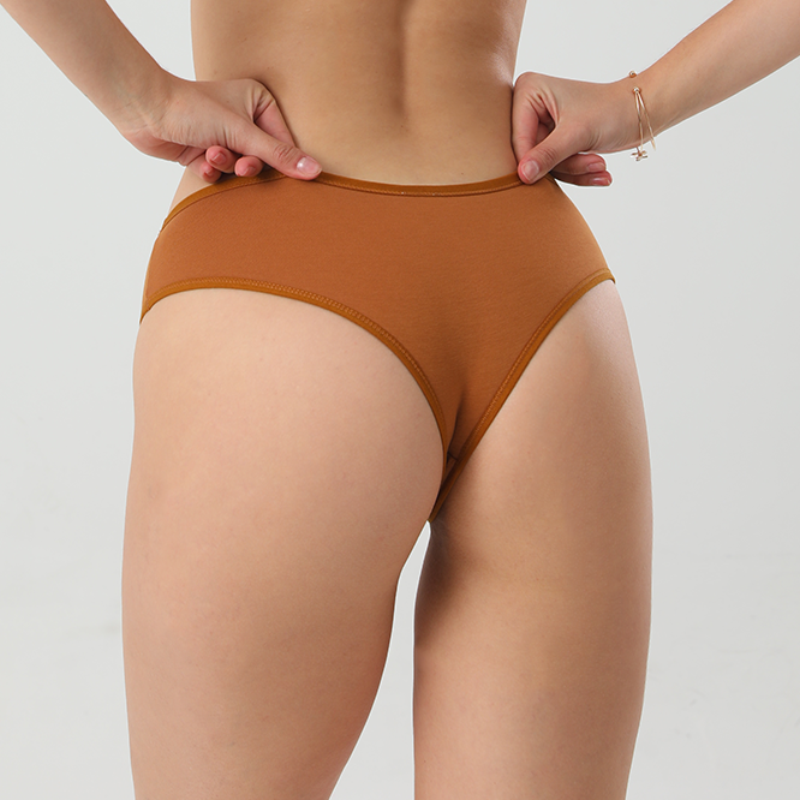
The intimate apparel industry has witnessed significant shifts in consumer preferences, particularly in the ongoing debate between brief and bikini underwear styles. Both designs offer distinct advantages that appeal to different market segments, making the choice between brief and bikini options a critical consideration for retailers and consumers alike. Understanding the performance metrics, comfort factors, and market dynamics of these two popular underwear styles can help brands optimize their product offerings and marketing strategies. The brief style has maintained its position as a classic choice, while bikini cuts have gained substantial traction among younger demographics seeking modern aesthetics and contemporary fit profiles.
Market Performance Analysis of Brief and Bikini Styles
Sales Data and Consumer Preferences
Recent market research indicates that brief and bikini underwear styles command approximately 65% of the total intimate apparel market share. Brief styles consistently demonstrate strong performance in traditional retail channels, particularly among consumers aged 35 and above who prioritize comfort and coverage. The brief category shows steady year-over-year growth of 8-12% in established markets, with particularly strong performance in cotton and modal fabric blends. Consumer surveys reveal that brief purchasers often cite full coverage, comfort during extended wear, and value for money as primary decision factors.
Bikini styles have experienced explosive growth in online retail environments, with e-commerce sales increasing by 25-30% annually over the past three years. The bikini segment appeals strongly to millennials and Generation Z consumers who prioritize fashion-forward designs and social media-worthy aesthetics. Online retailers report that bikini styles generate higher engagement rates on product pages, with longer browsing times and increased social sharing compared to traditional brief designs. The versatility of bikini cuts allows for more diverse color and pattern offerings, contributing to higher average order values and increased customer retention rates.
Digital Marketing Performance Metrics
Search engine optimization data reveals distinct patterns in how consumers discover brief and bikini underwear online. Brief-related keywords typically generate high-volume, low-competition search traffic, making them valuable for content marketing strategies and organic search visibility. The brief category benefits from established search patterns and consistent monthly search volumes, providing predictable traffic flows for retailers investing in SEO optimization. Long-tail keywords incorporating comfort, support, and everyday wear frequently appear in brief-related searches.
Bikini underwear keywords demonstrate higher commercial intent and conversion potential, despite increased competition from fashion brands and influencer marketing campaigns. Social media advertising campaigns featuring bikini styles consistently achieve lower cost-per-acquisition rates and higher click-through rates compared to traditional brief marketing approaches. The visual appeal of bikini designs translates effectively to Instagram and TikTok marketing, where lifestyle and fashion content drives significant traffic to e-commerce platforms. Paid search campaigns for bikini keywords often yield higher return on ad spend, particularly when targeting fashion-conscious demographics.
Design and Functionality Comparison
Coverage and Comfort Considerations
The fundamental difference between brief and bikini styles lies in their coverage profiles and intended use cases. Brief designs offer comprehensive coverage from waist to upper thigh, making them ideal for professional environments, athletic activities, and extended wear situations. The higher waistline characteristic of brief styles provides additional support for the midsection and creates a smooth silhouette under fitted clothing. Fabric distribution in brief designs allows for strategic placement of seams and elastic components, reducing pressure points and enhancing overall comfort during movement.
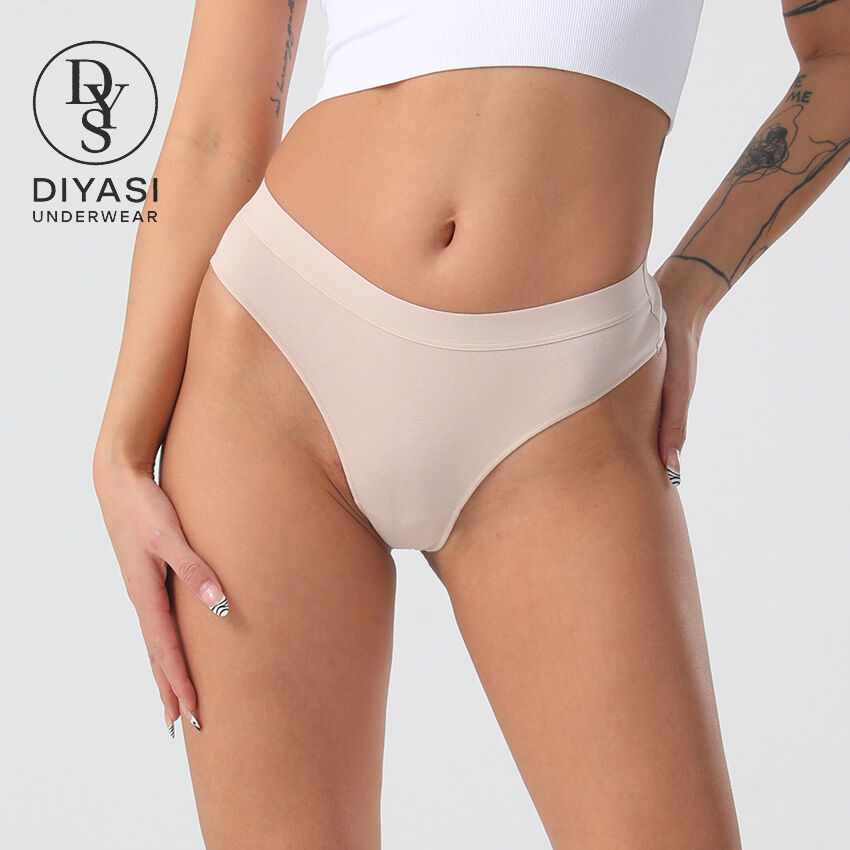
Bikini cuts prioritize minimal coverage while maintaining essential support and comfort features. The lower waistline and reduced fabric coverage make bikini styles particularly suitable for low-rise clothing, summer wardrobes, and fashion-forward outfit combinations. Advanced construction techniques in modern brief, bikini designs incorporate laser-cut edges, seamless construction, and moisture-wicking technologies that enhance comfort without compromising the sleek aesthetic appeal. The reduced fabric weight in bikini designs contributes to improved breathability and reduced visibility under tight-fitting garments.
Material Innovation and Technology Integration
Both brief and bikini styles have benefited from significant advancements in textile technology and manufacturing processes. Modern brief designs incorporate multi-zone compression, strategic stretch panels, and antibacterial treatments that enhance performance across various activities and climate conditions. The larger surface area of brief styles allows manufacturers to integrate advanced features such as temperature regulation, odor control, and enhanced durability without compromising aesthetic appeal. Premium brief collections often feature graduated compression zones that provide targeted support while maintaining day-long comfort.
Bikini underwear has embraced cutting-edge fabric innovations that maximize comfort and performance within minimal coverage constraints. Microfiber blends, bamboo derivatives, and advanced synthetic materials enable bikini designs to offer superior stretch recovery, moisture management, and shape retention compared to traditional cotton constructions. The precision required in bikini manufacturing has driven innovations in seamless construction techniques, laser cutting, and ultrasonic welding that eliminate traditional pressure points and enhance the wearing experience. These technological advances have positioned modern bikini styles as serious competitors to brief designs in terms of comfort and functionality.
Target Demographics and Market Segmentation
Age-Based Purchasing Patterns
Demographic analysis reveals distinct age-based preferences that significantly impact the market performance of brief and bikini underwear styles. Consumers aged 25-35 demonstrate the most diverse purchasing behaviors, often maintaining collections that include both brief and bikini options for different occasions and outfits. This demographic represents the highest value customer segment, with above-average spending on premium materials, sustainable manufacturing, and multi-pack purchasing options. Their purchasing decisions are heavily influenced by online reviews, social media recommendations, and brand sustainability practices.
The 35-50 age group shows strong loyalty to brief styles, prioritizing comfort, durability, and practical functionality over fashion trends. This demographic drives significant volume sales and demonstrates high brand loyalty when their comfort and quality expectations are consistently met. Market research indicates that brief purchasers in this age range are willing to pay premium prices for superior materials, enhanced durability, and ethical manufacturing practices. Their purchasing patterns tend to favor multi-pack options and subscription services that ensure consistent product availability.
Lifestyle and Activity-Based Preferences
Active lifestyle consumers demonstrate nuanced preferences between brief and bikini styles based on specific activity requirements and performance needs. Brief designs excel in high-impact activities, extended wear situations, and professional environments where consistent comfort and reliable coverage are paramount. Athletes and fitness enthusiasts often prefer brief styles for training and competition due to their superior support characteristics and reduced risk of displacement during intense movement. The comprehensive coverage of brief designs makes them particularly suitable for layering under athletic wear and compression garments.
Fashion-conscious consumers and social media influencers heavily favor bikini styles for their photogenic qualities and compatibility with contemporary clothing trends. The bikini segment has become integral to lifestyle marketing campaigns and influencer partnerships that drive significant online engagement and brand awareness. Travel and vacation markets show strong preference for bikini styles due to their versatility, reduced packing volume, and suitability for warm weather destinations. The visual appeal of bikini designs translates effectively to lifestyle photography and social media content, creating valuable marketing opportunities for brands targeting younger demographics.
E-commerce Performance and Online Marketing
Conversion Rates and Customer Behavior
Online retail analytics demonstrate significant differences in customer behavior patterns between brief and bikini underwear categories. Brief styles typically generate higher initial conversion rates due to their straightforward sizing, established fit expectations, and lower perceived purchase risk. The familiarity factor associated with brief designs reduces customer hesitation and simplifies the online shopping experience, particularly for first-time buyers or customers transitioning from traditional retail channels. Return rates for brief purchases remain consistently low, contributing to higher net profitability and customer satisfaction scores.
Bikini styles exhibit more complex customer journey patterns, with extended browsing sessions, higher engagement with product imagery, and increased likelihood of social sharing before purchase completion. While initial conversion rates may be lower than brief styles, bikini customers demonstrate higher lifetime value through repeat purchases, referral behavior, and engagement with brand marketing initiatives. The visual appeal of bikini designs drives significant organic social media promotion, creating valuable word-of-mouth marketing that reduces customer acquisition costs and enhances brand visibility across target demographics.
Search Engine Optimization Strategies
SEO performance varies significantly between brief and bikini underwear categories, requiring distinct optimization strategies for maximum online visibility. Brief-related keywords benefit from consistent search volumes and lower competition levels, making them excellent targets for long-term content marketing and organic search growth. The practical nature of brief searches often includes specific comfort, size, and material-related terms that enable detailed product descriptions and educational content development. Technical SEO for brief categories should emphasize product specifications, sizing guides, and comfort-focused benefits that align with searcher intent.
Bikini underwear SEO strategies must navigate higher competition levels while capitalizing on fashion and lifestyle-related search patterns. The visual nature of bikini products requires robust image optimization, schema markup implementation, and integration with social media platforms for maximum search visibility. Keyword strategies for bikini styles should incorporate seasonal trends, fashion terminology, and lifestyle-related terms that capture the broader context of customer searches. Local SEO becomes particularly important for bikini retailers targeting vacation destinations and fashion-forward metropolitan markets.
FAQ
Which underwear style offers better comfort for daily wear
Brief underwear typically provides superior comfort for extended daily wear due to its comprehensive coverage and strategic fabric distribution. The higher waistline and full coverage design eliminate pressure points and reduce fabric bunching throughout the day. However, modern bikini designs with advanced materials and construction techniques can offer comparable comfort levels while providing a sleeker silhouette under fitted clothing. The choice ultimately depends on individual body type, clothing preferences, and personal comfort priorities.
How do brief and bikini styles perform in online sales
Online sales data indicates that bikini styles generate higher engagement and social sharing, while brief styles maintain more consistent conversion rates and lower return percentages. Bikini underwear benefits from visual appeal and social media marketing, driving significant traffic and brand awareness. Brief styles excel in search engine optimization and repeat customer purchases due to their practical benefits and established market presence. Both categories can achieve strong online performance with appropriate marketing strategies and target audience alignment.
What factors should retailers consider when choosing between brief and bikini inventory
Retailers should analyze their target demographic, marketing capabilities, and brand positioning when determining brief and bikini inventory ratios. Brief styles require less visual marketing investment but benefit from detailed product descriptions and comfort-focused messaging. Bikini styles demand higher-quality product photography and social media marketing but can command premium pricing and generate valuable user-generated content. Market research, competitor analysis, and customer feedback should guide inventory decisions to optimize both sales performance and profitability.
Are there seasonal trends that affect brief versus bikini underwear sales
Seasonal patterns show increased bikini sales during spring and summer months due to fashion trends and vacation planning, while brief sales remain relatively stable year-round with slight increases during back-to-school and holiday shopping periods. Climate considerations significantly impact regional preferences, with warmer markets showing stronger bikini performance and colder regions maintaining higher brief sales ratios. Retailers should adjust inventory and marketing strategies based on local climate patterns and seasonal fashion trends to maximize sales opportunities throughout the year.