
 EN
EN



The intimate apparel industry continues to experience significant growth, with panties representing one of the most essential and frequently purchased garment categories worldwide. Manufacturing high-quality panties requires careful consideration of fabric selection, construction techniques, sizing standards, and market demands. Understanding these fundamental aspects enables brands to develop successful product lines that meet consumer expectations while maintaining competitive pricing. Whether you're launching a new lingerie brand or expanding an existing clothing line, mastering the intricacies of panties production will position your business for long-term success in this lucrative market segment.
Essential Fabric Selection for Premium Panties Production
Cotton Blends and Natural Fiber Applications
Cotton remains the most popular fabric choice for panties manufacturing due to its exceptional breathability, moisture-wicking properties, and hypoallergenic characteristics. Premium cotton blends typically incorporate 85-95% cotton with small percentages of elastane or spandex to provide necessary stretch and recovery. Organic cotton varieties have gained tremendous popularity among environmentally conscious consumers, though they require specialized sourcing and often command higher wholesale prices. The fiber quality directly impacts the final product's comfort level, durability, and overall customer satisfaction ratings.
Manufacturing facilities must carefully evaluate cotton suppliers to ensure consistent fiber grades and colorfastness properties. Ring-spun cotton offers superior softness compared to open-end cotton, making it ideal for premium panties lines targeting discerning customers. Pima and Supima cotton varieties provide enhanced durability and smoother hand feel, though their higher costs require careful price positioning within competitive market segments. Understanding cotton grading systems enables manufacturers to select appropriate materials for different price points while maintaining quality standards.
Synthetic Materials and Performance Fabrics
Modern synthetic fabrics offer compelling advantages for specialized panties applications, particularly in athletic and performance-oriented product lines. Microfiber polyester blends provide exceptional moisture management capabilities while maintaining lightweight construction and quick-drying properties. These materials excel in seamless panties construction techniques, creating smooth silhouettes under fitted clothing while eliminating visible panty lines that concern many consumers.
Modal and bamboo-derived fabrics represent innovative options combining natural fiber benefits with enhanced performance characteristics. These materials offer superior drape, excellent color retention, and antimicrobial properties that appeal to health-conscious consumers. However, manufacturers must carefully evaluate supplier certifications and sustainability credentials when incorporating these specialty fibers into their panties production lines.
Design Styles and Market Positioning Strategies
Classic Cut Variations and Sizing Considerations
Traditional panties styles continue dominating sales volumes across diverse demographic segments, with brief, bikini, and hipster cuts representing the most requested designs. Each style requires specific pattern development considerations to ensure proper fit across extended size ranges while maintaining consistent quality standards. Brief styles offer maximum coverage and comfort for mature demographics, while bikini cuts appeal to younger consumers seeking fashionable silhouettes with moderate coverage levels.
Hipster panties have emerged as a versatile middle-ground option, providing contemporary styling with practical coverage that works well under various clothing types. Manufacturing these styles requires precise attention to leg opening construction and waistband placement to achieve flattering fits across diverse body types. Successful brands invest considerable resources in fit testing and pattern refinement to ensure their panties meet evolving consumer expectations for comfort and style.
Contemporary Trends and Innovation Opportunities
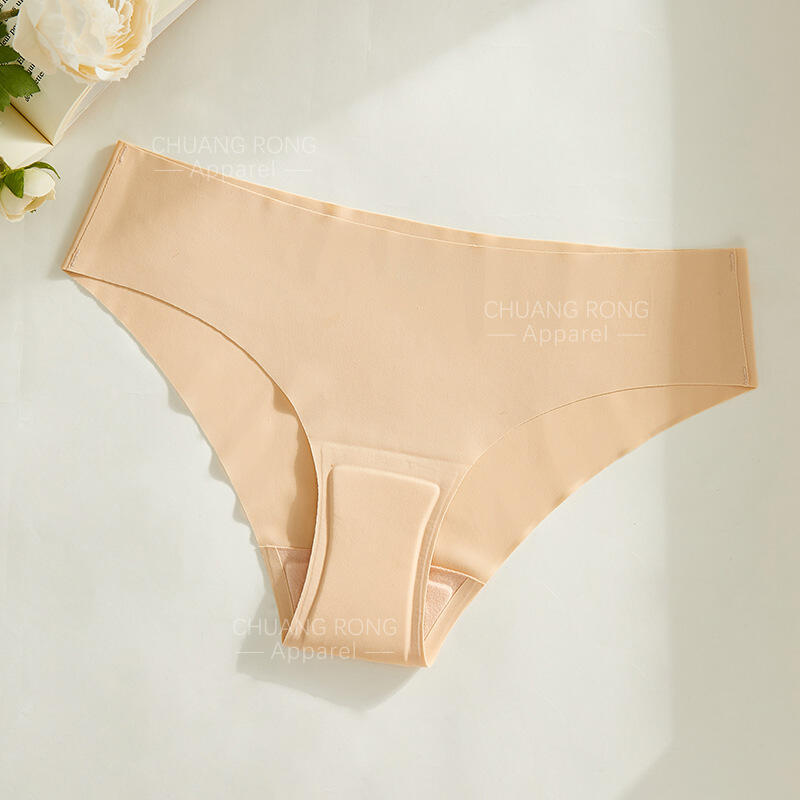
Seamless construction techniques represent one of the most significant innovations in modern panties manufacturing, utilizing specialized circular knitting machines and heat-bonding processes to eliminate traditional seams. These methods create incredibly smooth garments that remain virtually invisible under fitted clothing while reducing manufacturing complexity and material waste. However, seamless production requires substantial equipment investments and specialized technical expertise that may challenge smaller manufacturers.
High-waisted panties have experienced remarkable resurgence, driven by vintage-inspired fashion trends and consumer demands for enhanced coverage and comfort. These designs require modified pattern construction and additional fabric allocation, impacting manufacturing costs but often commanding premium pricing in retail markets. Smart manufacturers recognize these trend shifts early and adjust their production planning accordingly to capitalize on emerging market opportunities.
Manufacturing Processes and Quality Control Standards
Cutting and Pattern Optimization Techniques
Efficient fabric utilization directly impacts panties manufacturing profitability, making pattern optimization a critical consideration for successful production operations. Computer-aided design systems enable manufacturers to maximize fabric yields while minimizing waste through strategic pattern nesting and layout planning. Modern cutting equipment utilizing laser or ultrasonic technology provides enhanced precision while reducing fraying and improving edge quality compared to traditional rotary cutting methods.
Automated cutting systems can process multiple fabric layers simultaneously, significantly improving production efficiency for high-volume panties orders. However, delicate fabrics like lace or silk may require specialized handling techniques and reduced cutting speeds to maintain quality standards. Manufacturers must balance production efficiency with fabric-specific requirements to ensure consistent results across diverse material types commonly used in panties construction.
Assembly Line Configuration and Workflow Management
Strategic sewing line organization significantly impacts panties production efficiency and quality consistency. Modular assembly approaches allow operators to specialize in specific construction steps, improving skill development and reducing error rates compared to complete garment assembly methods. Typical panties construction involves leg elastic application, crotch seaming, waistband attachment, and final inspection stages that require different skill sets and equipment configurations.
Quality control checkpoints throughout the assembly process help identify and correct issues before they impact finished goods quality. These inspection stages typically include fabric inspection, pre-assembly fitting checks, seam quality evaluation, and final packaging inspection protocols. Implementing comprehensive quality systems reduces customer returns and builds brand reputation in competitive panties markets where consumer expectations continue rising.
Sizing Standards and Fit Development
International Sizing Systems and Regional Preferences
Global panties manufacturing requires understanding diverse sizing standards and regional fit preferences that vary significantly across international markets. European sizing systems typically run smaller than American equivalents, while Asian markets often prefer different proportions and coverage levels compared to Western preferences. Successful manufacturers develop comprehensive size charts and grading rules that accommodate these regional differences while maintaining cost-effective production processes.
Plus-size panties represent a rapidly expanding market segment requiring specialized pattern development and fit testing protocols. These larger sizes demand additional consideration for fabric stretch properties, waistband construction techniques, and leg opening proportions to ensure comfortable fits that meet consumer expectations. Manufacturers entering plus-size markets must invest in extended size range development and often require modified production equipment to accommodate larger pattern pieces.
Fit Testing and Consumer Feedback Integration
Comprehensive fit testing programs enable manufacturers to refine their panties designs based on real-world consumer experiences and feedback. Professional fit models representing diverse body types provide valuable insights into comfort, coverage, and style preferences that inform pattern adjustments and design modifications. These testing protocols should encompass various activity levels and wearing conditions to ensure products perform well across different usage scenarios.
Consumer feedback collection through surveys, reviews, and return analysis provides ongoing intelligence about fit issues and improvement opportunities. Successful panties brands actively monitor this feedback and implement design adjustments to address common concerns while maintaining their core style identity. This iterative approach to product development helps build customer loyalty and reduces return rates that can significantly impact profitability.
Wholesale Strategies and Market Entry Approaches
Minimum Order Quantities and Production Planning
Establishing appropriate minimum order quantities for panties manufacturing requires careful balance between production efficiency and market accessibility for smaller brands. Most overseas manufacturers require 500-1000 piece minimums per style and color combination, though some specialized facilities offer lower minimums for premium pricing. Domestic manufacturers may accept smaller orders but typically charge higher per-unit costs that impact retail pricing strategies.
Production planning for panties orders involves coordinating fabric sourcing, dye lot management, and assembly scheduling to meet delivery commitments while maintaining quality standards. Seasonal demand fluctuations require flexible capacity management and inventory planning to avoid stockouts during peak selling periods. Successful manufacturers develop long-term relationships with reliable suppliers and maintain buffer inventory for critical components like elastics and hardware.
Private Label and Custom Branding Options
Private label panties manufacturing offers tremendous opportunities for retailers and brands seeking to develop exclusive product lines without substantial design investments. Experienced manufacturers typically maintain extensive libraries of proven patterns and styles that can be customized with brand-specific labeling, packaging, and minor design modifications. This approach enables faster time-to-market while reducing development costs compared to completely original design programs.
Custom branding extends beyond simple label attachment to include specialized packaging, hangtags, and marketing materials that reinforce brand identity throughout the customer experience. Premium panties brands often invest in distinctive packaging designs and sustainable materials that align with their environmental values and target demographic preferences. These branding elements can significantly impact perceived value and justify premium pricing in competitive markets.
Sustainability and Environmental Considerations
Eco-Friendly Material Sourcing and Certifications
Environmental sustainability has become a critical consideration for modern panties manufacturing, with consumers increasingly demanding eco-friendly products and transparent supply chain practices. Organic cotton, recycled polyester, and innovative plant-based fibers offer alternatives to conventional materials while meeting performance requirements for comfortable, durable panties. However, these materials often require specialized sourcing relationships and may command premium pricing that impacts final product costs.
Third-party certifications like GOTS, OEKO-TEX, and Cradle to Cradle provide credible validation of environmental claims while helping brands differentiate their panties in increasingly competitive markets. These certifications require comprehensive documentation and regular audits that add complexity to manufacturing operations but can justify premium pricing and appeal to environmentally conscious consumers. Manufacturers must carefully evaluate certification costs against potential market benefits when developing their sustainability strategies.
Waste Reduction and Circular Economy Initiatives
Fabric waste reduction represents both environmental and economic opportunities for panties manufacturers seeking to improve their sustainability profiles. Advanced pattern nesting software and cutting optimization can reduce waste by 10-15% compared to traditional methods, while fabric scraps can be repurposed for accessories or donated to craft organizations. Some innovative manufacturers have developed take-back programs allowing customers to return worn panties for recycling into new products or industrial applications.
Water usage optimization during dyeing and finishing processes significantly impacts environmental footprint while reducing operational costs. Closed-loop water systems and advanced filtration technologies enable manufacturers to minimize fresh water consumption and reduce discharge impacts. These investments often require substantial capital commitments but can provide long-term cost savings while supporting corporate sustainability goals that increasingly influence consumer purchasing decisions.
FAQ
What fabrics work best for everyday panties comfort and durability
Cotton blends with 5-15% elastane provide optimal comfort and durability for everyday panties, offering breathability, moisture absorption, and necessary stretch for movement. Premium cotton varieties like Pima or organic cotton enhance softness and longevity, while modal blends add silk-like smoothness and color retention. Avoid fabrics with excessive synthetic content for daily wear, as they may cause irritation or reduce breathability over extended wearing periods.
How do international sizing standards affect panties manufacturing and exports
International sizing standards vary significantly, with European sizes typically running 1-2 sizes smaller than American equivalents, while Asian markets prefer different proportions and coverage levels. Manufacturers must develop separate grading rules and size charts for different regions, often requiring modified patterns to accommodate regional fit preferences. Understanding these differences is crucial for successful international panties sales and customer satisfaction.
What minimum order quantities should new brands expect for custom panties production
Most overseas panties manufacturers require 500-1000 pieces per style and color combination, with total orders typically needing 3000-5000 pieces minimum. Domestic manufacturers may accept smaller orders starting around 100-200 pieces but charge significantly higher per-unit costs. New brands should plan for initial investments of $10,000-25,000 for meaningful panties inventory across multiple styles and sizes to test market response effectively.
How can manufacturers ensure consistent quality across different panties production batches
Implementing standardized quality control checkpoints throughout production, maintaining detailed specifications for materials and construction, and conducting regular fit testing with professional models ensures consistency. Establishing strong relationships with fabric suppliers, maintaining strict dye lot management, and documenting all production parameters helps minimize variation between batches. Regular training for production staff and comprehensive final inspection protocols further maintain quality standards that meet consumer expectations for panties purchases.
Table of Contents
- Essential Fabric Selection for Premium Panties Production
- Design Styles and Market Positioning Strategies
- Manufacturing Processes and Quality Control Standards
- Sizing Standards and Fit Development
- Wholesale Strategies and Market Entry Approaches
- Sustainability and Environmental Considerations
-
FAQ
- What fabrics work best for everyday panties comfort and durability
- How do international sizing standards affect panties manufacturing and exports
- What minimum order quantities should new brands expect for custom panties production
- How can manufacturers ensure consistent quality across different panties production batches