


 EN
EN


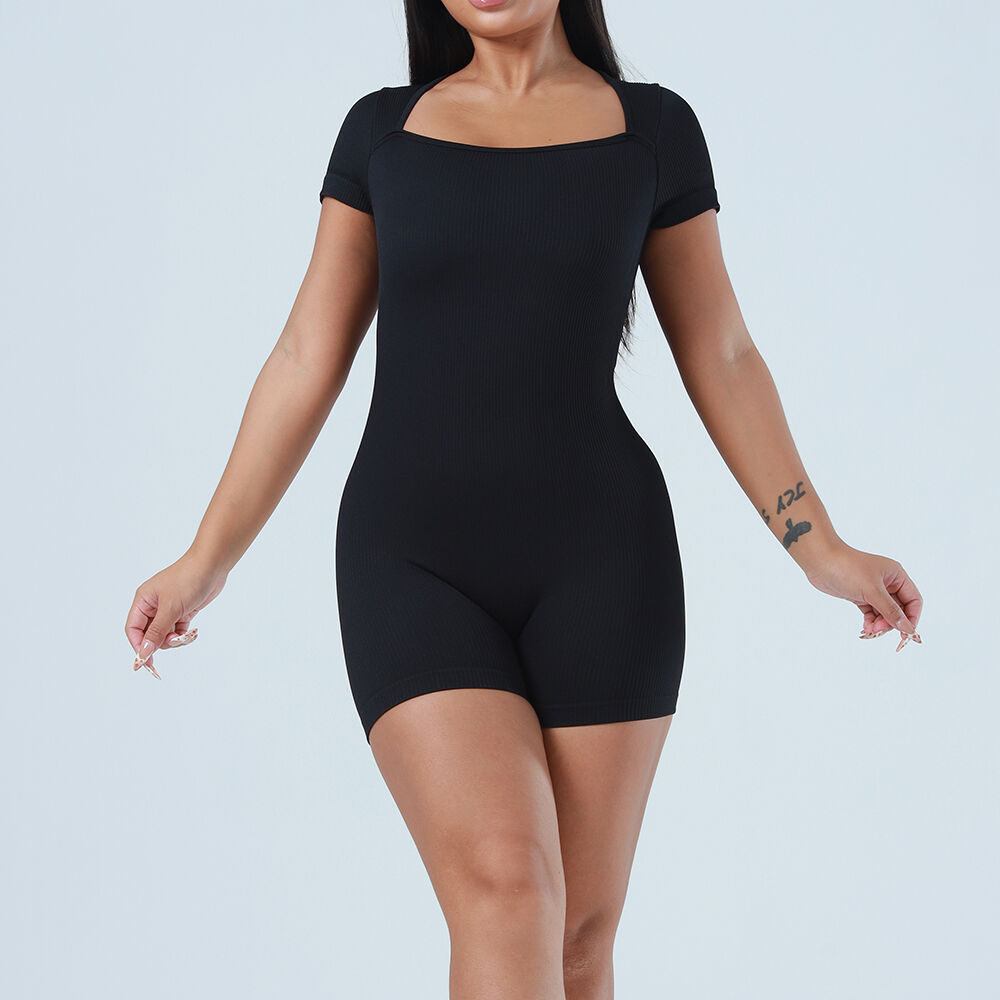
Building a successful lingerie collection requires balancing quality, design appeal, and competitive pricing to attract customers while maintaining healthy profit margins. For boutique owners, influencers, and emerging brands, factory-direct pricing presents a strategic advantage that eliminates intermediary costs and provides access to customizable products at manufacturer rates. This approach transforms the traditional retail model by connecting brands directly with production facilities, enabling entrepreneurs to source premium lingerie at prices that support sustainable business growth. Understanding how to leverage factory-direct relationships allows you to curate a distinctive collection that resonates with your target audience without the financial barriers typically associated with wholesale minimums and distributor markups.
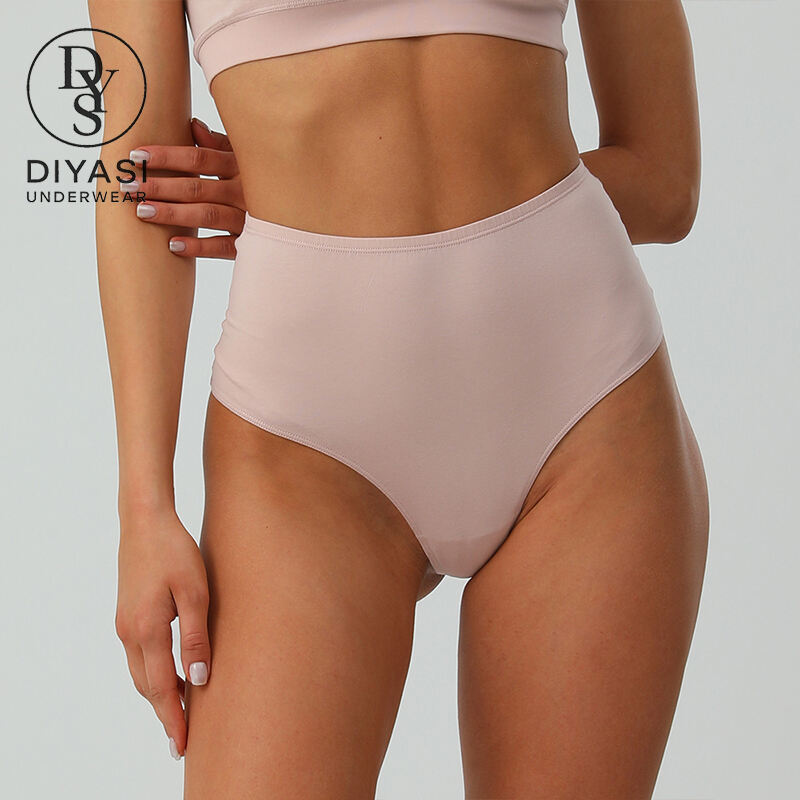
The factory-direct model fundamentally changes how emerging brands enter the intimate apparel market by reducing order quantities to accessible levels and providing transparent pricing structures. Traditional wholesale channels often demand high minimum order quantities that create significant capital barriers for new businesses, while factory-direct partnerships offer flexible manufacturing arrangements starting from as low as 100 pieces per design. This accessibility empowers creative entrepreneurs to test market demand, develop signature styles, and build customer loyalty before committing to large inventory investments. The direct relationship with manufacturers also facilitates customization opportunities including logo placement, fabric selection, and design modifications that establish brand identity from the first product launch.
Understanding Factory-Direct Advantages for Lingerie Brands
Cost Structure Transformation Through Direct Manufacturing
Factory-direct pricing eliminates multiple markup layers that typically inflate lingerie costs in conventional supply chains. When brands work directly with manufacturers, they bypass distributors, regional wholesalers, and import agents who each add percentage-based margins to cover their operational expenses and profit requirements. This direct relationship typically reduces product costs by thirty to fifty percent compared to traditional wholesale purchasing, creating substantial pricing flexibility for retail positioning. The savings enable brands to either offer more competitive consumer prices or maintain higher profit margins while matching market rates, both strategies that strengthen business viability in competitive markets.
The transparency inherent in factory-direct relationships also provides clarity regarding actual production costs, material expenses, and labor investments. Manufacturers working directly with brands share detailed cost breakdowns that reveal exactly how pricing is calculated, from raw fabric purchases to finishing details like lace trim and elastic components. This knowledge empowers brand owners to make informed decisions about design choices, understanding precisely how material upgrades or construction modifications affect final pricing. Such visibility supports strategic planning around product positioning and helps entrepreneurs identify opportunities to enhance value perception without proportionally increasing costs.
Minimum Order Quantity Flexibility
Traditional lingerie wholesale typically requires minimum orders ranging from 500 to 2,000 pieces per style, creating inventory commitments that exceed the financial capacity and storage capabilities of small businesses. Factory-direct manufacturers increasingly accommodate emerging brands by offering low minimum order quantities starting at 100 pieces, recognizing that supporting small-batch production builds long-term partnerships with growing companies. This flexibility allows new brands to test multiple designs simultaneously, gather customer feedback, and refine their collection based on actual market response rather than committing capital to untested assumptions about consumer preferences.
The ability to start with smaller production runs also reduces the risk of seasonal obsolescence and trend misalignment that plague lingerie businesses carrying large inventories. Intimate apparel preferences shift with fashion trends, body positivity movements, and evolving comfort priorities, making agility essential for maintaining relevant product offerings. Low minimum quantities enable brands to refresh their lingerie collections frequently, introduce limited editions that create urgency, and respond quickly to customer requests for specific styles or sizes without accumulating excess inventory that requires discounting to clear.
Customization and Brand Identity Development
Factory-direct partnerships provide customization opportunities that distinguish emerging brands in crowded markets where generic products dominate lower price tiers. Manufacturers offering original equipment manufacturing services collaborate with brands to incorporate custom logos, develop exclusive colorways, modify fit specifications, and adjust design elements that create distinctive product identities. These customizations transform standard lingerie styles into branded merchandise that communicates quality positioning and builds recognition through consistent visual elements across the collection.
The customization process typically begins with sample development where manufacturers produce prototype pieces incorporating requested modifications for brand approval before full production. This iterative refinement ensures the final lingerie products precisely match brand standards and customer expectations, addressing fit concerns, construction quality, and aesthetic details that influence purchase decisions. Direct communication with production teams also facilitates technical adjustments that improve comfort, durability, and visual appeal based on wear testing and customer feedback, creating continuous improvement cycles that elevate product quality with each production run.
Strategic Collection Planning With Direct Sourcing
Core Style Selection for Market Entry
Building an initial lingerie collection through factory-direct sourcing requires strategic selection of core styles that address fundamental customer needs while reflecting brand identity. Successful entry collections typically include three to five foundational designs that span essential categories such as everyday comfort pieces, special occasion styles, and transitional items suitable for multiple wearing contexts. This focused approach allows brands to establish quality standards and customer expectations without overwhelming initial inventory investments or diluting brand messaging across too many disparate product types.
Core style selection should balance timeless appeal with contemporary relevance, choosing designs that remain saleable across multiple seasons while incorporating current aesthetic preferences. Classic silhouettes in modern fabrics, traditional constructions with updated colorways, and proven fits enhanced with distinctive details create collections with extended market viability. Factory-direct manufacturers often provide market insights based on their production experience across multiple brands, identifying which lingerie styles consistently perform well and which design elements resonate across demographic segments, information that informs strategic planning for emerging brands.
Size Range Strategy and Inventory Distribution
Effective lingerie collection development requires thoughtful size range planning that serves target customers without creating excessive inventory complexity. Factory-direct low minimum orders enable brands to test expanded size offerings that might be financially prohibitive through traditional wholesale channels, supporting inclusive sizing strategies that broaden market reach. Initial collections might focus on core size ranges with highest demand density while planning expansion into extended sizes as sales data reveals specific customer needs and preferences within the brand's actual audience.
Inventory distribution across sizes should reflect demographic research about target customers combined with flexible reordering capabilities that factory-direct relationships provide. Rather than committing to equal quantities across all sizes upfront, brands can implement graduated inventory strategies with deeper stock in proven popular sizes and smaller test quantities in ranges where demand remains uncertain. This approach minimizes capital tied up in slow-moving inventory while maintaining sufficient stock to fulfill orders promptly, balancing customer service expectations with financial efficiency through data-informed purchasing decisions.
Color Palette Development for Cohesive Collections
Color selection significantly influences lingerie collection cohesion and brand recognition, requiring strategic planning that balances customer preferences with distinctive brand identity. Factory-direct manufacturers typically offer standard color options alongside custom dyeing services for brands seeking exclusive colorways that differentiate their products from competitors. Effective color strategies often combine neutral foundational shades that appeal to broad customer bases with signature accent colors that create visual brand identity and encourage collection purchases where customers select multiple complementary pieces.
Seasonal color introduction through factory-direct partnerships allows brands to refresh their lingerie offerings without redesigning entire product lines, maintaining core styles while updating visual appeal through new color launches. This approach reduces design development costs while creating marketing opportunities around limited-time color releases that drive repeat purchases from existing customers. Coordinating color palettes across multiple lingerie styles within a collection also encourages mix-and-match purchasing behavior, increasing average transaction values as customers build coordinated sets from separates rather than purchasing individual items.
Quality Control and Manufacturing Partnership Development
Establishing Production Standards and Specifications
Successful factory-direct relationships depend on clearly communicated quality standards that align manufacturer capabilities with brand requirements. Detailed product specifications covering fabric composition, construction methods, finishing techniques, and dimensional tolerances create objective evaluation criteria for production quality. These specifications should address lingerie-specific concerns including seam strength in stretch fabrics, elastic recovery after repeated wearing and washing, colorfast requirements for intimate contact with skin, and fabric hand characteristics that influence comfort perception.
Initial production runs provide opportunities to refine specifications based on actual manufactured samples, identifying areas where standards require adjustment or clarification. Brands should conduct thorough wear testing of first production batches, evaluating how lingerie performs through multiple wash cycles, assessing comfort during extended wearing periods, and examining construction integrity under normal use conditions. Feedback from these evaluations informs specification updates that manufacturers incorporate into subsequent productions, creating iterative quality improvements that elevate product standards while maintaining cost efficiency through factory-direct pricing structures.
Sample Evaluation and Pre-Production Approval
The sample development process serves as critical quality gatekeeping before committing to full production quantities, allowing brands to evaluate actual manufactured products against expectations. Factory-direct manufacturers typically provide pre-production samples that demonstrate proposed construction methods, material quality, and finished appearance for brand approval before proceeding with complete order fulfillment. This review stage enables identification of potential issues including fit inconsistencies, material substitutions, or construction shortcuts that might compromise product quality or brand standards.
Comprehensive sample evaluation should include detailed photography documenting construction details, measurements comparing actual dimensions against specifications, and wear testing that simulates customer use conditions. Brands should assess lingerie samples for aesthetic appeal, functional performance, durability indicators, and comparison against competitor products at similar price points. Approval communications with manufacturers should specifically reference approved elements and clearly identify any required modifications, creating documentation that establishes mutual understanding and serves as production reference throughout the manufacturing relationship.
Building Long-Term Manufacturer Relationships
Factory-direct partnerships deliver maximum value when approached as long-term collaborative relationships rather than transactional arrangements focused solely on individual order pricing. Manufacturers invest significant resources in understanding brand requirements, developing custom production processes, and maintaining quality consistency, investments that generate returns through ongoing business relationships. Brands that demonstrate commitment through consistent ordering patterns, timely communications, and reasonable production timelines often receive priority service, favorable pricing considerations, and collaborative problem-solving when challenges arise.
Relationship development includes transparency about business growth projections, upcoming collection plans, and evolving product requirements that help manufacturers allocate resources and plan capacity. Regular communication beyond immediate order placement builds understanding of mutual capabilities and constraints, facilitating realistic planning around production schedules, material sourcing, and quality expectations. This collaborative approach transforms factory-direct relationships from simple vendor arrangements into strategic partnerships that support brand growth through manufacturing expertise, market insights, and flexible production capabilities that adapt to changing business needs.
Marketing and Positioning Factory-Direct Collections
Value Communication Without Compromising Perceived Quality
Marketing lingerie collections built through factory-direct sourcing requires careful messaging that communicates value advantages without suggesting inferior quality or cheap positioning. Effective brand communication emphasizes the business model innovation that enables competitive pricing rather than focusing primarily on low costs, framing factory-direct relationships as smart sourcing strategies that pass manufacturer savings to customers. This positioning maintains quality perception while explaining how the brand delivers premium lingerie at accessible prices through supply chain efficiency rather than product compromises.
Transparency about manufacturing partnerships can strengthen brand credibility when presented as commitment to fair production practices, quality control involvement, and direct oversight of working conditions. Customers increasingly value brands that demonstrate supply chain knowledge and ethical manufacturing engagement, positioning factory-direct relationships as evidence of responsible business practices. Marketing content that shares behind-the-scenes production insights, manufacturer collaboration stories, and quality assurance processes builds trust while differentiating the brand from competitors relying on opaque wholesale sourcing that obscures production origins.
Influencer Partnerships and Social Proof Development
Factory-direct pricing structures support influencer partnership strategies by providing sufficient margin flexibility to offer competitive commission rates, free product for content creation, and special discount codes that drive measurable sales attribution. The cost advantages inherent in direct manufacturing enable brands to invest marketing budgets in influencer collaborations rather than absorbing those funds into product costs, creating promotional opportunities that build brand awareness and customer acquisition. Influencers seeking lingerie brands for partnerships often prioritize companies offering quality products at price points their audiences find accessible, positioning factory-direct collections favorably for collaboration opportunities.
Social proof development through customer reviews, user-generated content, and testimonial collection becomes essential for factory-direct brands lacking established reputation or wholesale presence in traditional retail channels. Encouraging customers to share wearing experiences, fit feedback, and satisfaction ratings creates authentic validation that influences purchase decisions for prospective buyers evaluating unfamiliar brands. The quality delivery enabled by direct manufacturing relationships supports positive review generation when products meet or exceed customer expectations established by marketing communications, creating virtuous cycles where satisfied customers become brand advocates through organic sharing and recommendation behavior.
Digital Commerce Optimization for Direct-to-Consumer Sales
Factory-direct lingerie brands typically operate through direct-to-consumer channels that require sophisticated digital commerce capabilities to compete effectively in online marketplaces. Website design, product photography, detailed sizing information, and seamless checkout processes directly influence conversion rates and customer satisfaction with online lingerie purchasing. Investment in high-quality product images showing construction details, fabric texture, and fit on diverse body types reduces purchase hesitation and return rates by providing visual information that compensates for inability to physically examine products before buying.
Comprehensive sizing guidance becomes particularly critical for lingerie where fit significantly impacts satisfaction and wearing comfort. Detailed measurement instructions, size comparison charts, and fit descriptions addressing how styles run relative to standard sizing help customers select appropriate sizes confidently. Factory-direct relationships facilitate responsive inventory management that supports exchange programs and size guarantee policies, customer service features that reduce purchase risk and encourage trial among first-time buyers. These digital commerce optimizations transform website traffic into sales conversions while building customer loyalty through positive purchasing experiences that encourage repeat business.
Financial Planning and Inventory Management
Cash Flow Optimization Through Staged Production
Factory-direct low minimum orders enable cash flow optimization strategies where brands stage production across multiple smaller batches rather than committing large capital amounts to single comprehensive inventory purchases. This approach spreads financial requirements across extended timeframes while maintaining product availability through strategic reordering based on sales velocity data. Staged production also reduces working capital tied up in inventory, improving overall financial efficiency and reducing storage costs associated with large stock quantities sitting idle awaiting sale.
The flexibility to reorder proven styles in smaller quantities allows brands to respond to actual demand patterns rather than projecting future sales based on assumptions that may prove inaccurate. As specific lingerie designs demonstrate consistent sales performance, brands can increase order quantities for those successful styles while discontinuing or modifying underperforming items without substantial sunk costs. This data-responsive approach minimizes inventory write-downs and clearance discounting that erode profit margins, instead focusing capital investment on products with demonstrated market acceptance and reliable sales trajectories.
Profit Margin Structure and Pricing Strategy
Factory-direct pricing typically provides landed product costs ranging from twenty to forty percent of suggested retail prices, creating margin structures that support viable business models even in competitive markets. Brands must balance competitive pricing that attracts customers against margin requirements that cover operating expenses including marketing, website maintenance, customer service, shipping logistics, and payment processing fees. Strategic pricing positions lingerie collections within specific market segments, with factory-direct cost advantages enabling either premium quality at mid-market prices or mid-range quality at value prices depending on brand positioning objectives.
Margin planning should incorporate realistic assessments of promotional discounting frequency, return rates typical in online lingerie sales, and customer acquisition costs required to maintain growth. Factory-direct cost structures provide cushion for strategic discounting during customer acquisition campaigns, seasonal promotions, and inventory clearance events without eliminating profitability. This pricing flexibility supports competitive positioning while maintaining sustainable unit economics that generate positive contribution margins even after accounting for the complete cost structure beyond pure product expenses.
Inventory Turnover and Collection Refresh Cycles
Effective inventory management for factory-direct lingerie collections targets turnover rates that balance product availability against capital efficiency, typically aiming for complete inventory rotation every sixty to ninety days. This turnover velocity requires alignment between sales forecasting, production lead times, and reorder triggering that maintains stock levels sufficient for consistent customer fulfillment. Factory-direct manufacturers often provide relatively short production cycles of three to six weeks for reorders of established styles, enabling responsive inventory replenishment that supports high turnover goals without risking stockouts that damage customer satisfaction.
Collection refresh strategies introduce new lingerie designs or retire underperforming styles on quarterly or seasonal schedules that maintain customer interest and create reasons for repeat website visits. The low minimum order quantities available through factory-direct relationships make frequent collection updates financially feasible, allowing brands to test new concepts with limited risk exposure. Systematic introduction of new styles while maintaining core bestsellers creates collection evolution that balances novelty with reliability, encouraging both new customer acquisition through fresh offerings and repeat purchases from existing customers seeking variety within trusted brand quality standards.
FAQ
What are the typical minimum order quantities for factory-direct lingerie production?
Factory-direct manufacturers serving emerging brands and influencers typically offer minimum order quantities starting at 100 pieces per design, though this can vary based on specific customization requirements and production complexity. Some manufacturers may require higher minimums for complex constructions involving multiple fabric types or extensive embellishment work, while simpler designs in standard materials may accommodate even lower quantities. The minimum order usually applies per style and color combination, meaning brands ordering multiple colorways of a single design would need to meet the minimum for each color variant separately. When working with manufacturers, clarifying exactly how minimums are calculated and whether any flexibility exists for first-time orders helps establish realistic planning expectations.
How does factory-direct pricing compare to traditional wholesale costs?
Factory-direct pricing typically ranges from thirty to fifty percent lower than traditional wholesale costs for comparable lingerie products, though exact savings depend on product complexity, materials, and order quantities. The cost reduction comes from eliminating distributor markups, import agent fees, and wholesale intermediary margins that each add layers to the final price in conventional supply chains. For example, a lingerie piece costing five dollars through factory-direct sourcing might cost eight to ten dollars through traditional wholesale channels for the same quality level. These savings create significant competitive advantages either through lower retail pricing that attracts price-sensitive customers or higher profit margins when maintaining market-standard retail prices, both strategies that strengthen business viability for emerging brands operating with limited marketing budgets.
What customization options are available through factory-direct manufacturing?
Factory-direct manufacturers typically offer customization including logo placement through printed labels or embroidered tags, custom packaging with branded elements, exclusive colorways through custom fabric dyeing, and design modifications such as adjusted strap placement or altered leg openings. More extensive customization might include proprietary fabric development, unique lace or trim selection not available in standard production, and completely original pattern development for distinctive silhouettes. The scope of available customization generally expands with order quantities, as manufacturers can justify greater development investment for larger production commitments. Most factories require additional sampling fees and extended lead times for custom development work, with costs varying based on complexity but typically ranging from several hundred to a few thousand dollars for pattern development and initial sample creation before full production begins.
How long does production typically take from order placement to delivery?
Production timelines for factory-direct lingerie orders generally range from four to eight weeks from order confirmation to finished product delivery, depending on current factory capacity, order complexity, and whether the style represents a reorder of existing production or new development. Initial orders requiring sample approval typically add two to three weeks to the timeline for sample production, brand review, and any necessary modifications before bulk production begins. Rush production services may be available for premium fees when brands face urgent inventory needs, potentially reducing timelines to three to four weeks though this varies by manufacturer and season. International shipping adds additional time ranging from one to three weeks depending on shipping method selected, with air freight providing faster delivery at higher cost compared to more economical ocean shipping that requires longer transit periods.
Table of Contents
- Understanding Factory-Direct Advantages for Lingerie Brands
- Strategic Collection Planning With Direct Sourcing
- Quality Control and Manufacturing Partnership Development
- Marketing and Positioning Factory-Direct Collections
- Financial Planning and Inventory Management
-
FAQ
- What are the typical minimum order quantities for factory-direct lingerie production?
- How does factory-direct pricing compare to traditional wholesale costs?
- What customization options are available through factory-direct manufacturing?
- How long does production typically take from order placement to delivery?