


 EN
EN




Intimates brands face a unique challenge in today's fast-paced retail environment: the need to scale quickly while maintaining product availability and quality standards. The difference between brands that achieve rapid growth and those that plateau often comes down to one critical factor—reliable access to in-stock underwear inventory. When intimates companies can consistently source ready-to-ship products, they eliminate production delays, reduce cash flow constraints, and respond immediately to market demand shifts. This operational advantage transforms how brands approach expansion, customer acquisition, and market positioning in an increasingly competitive landscape.
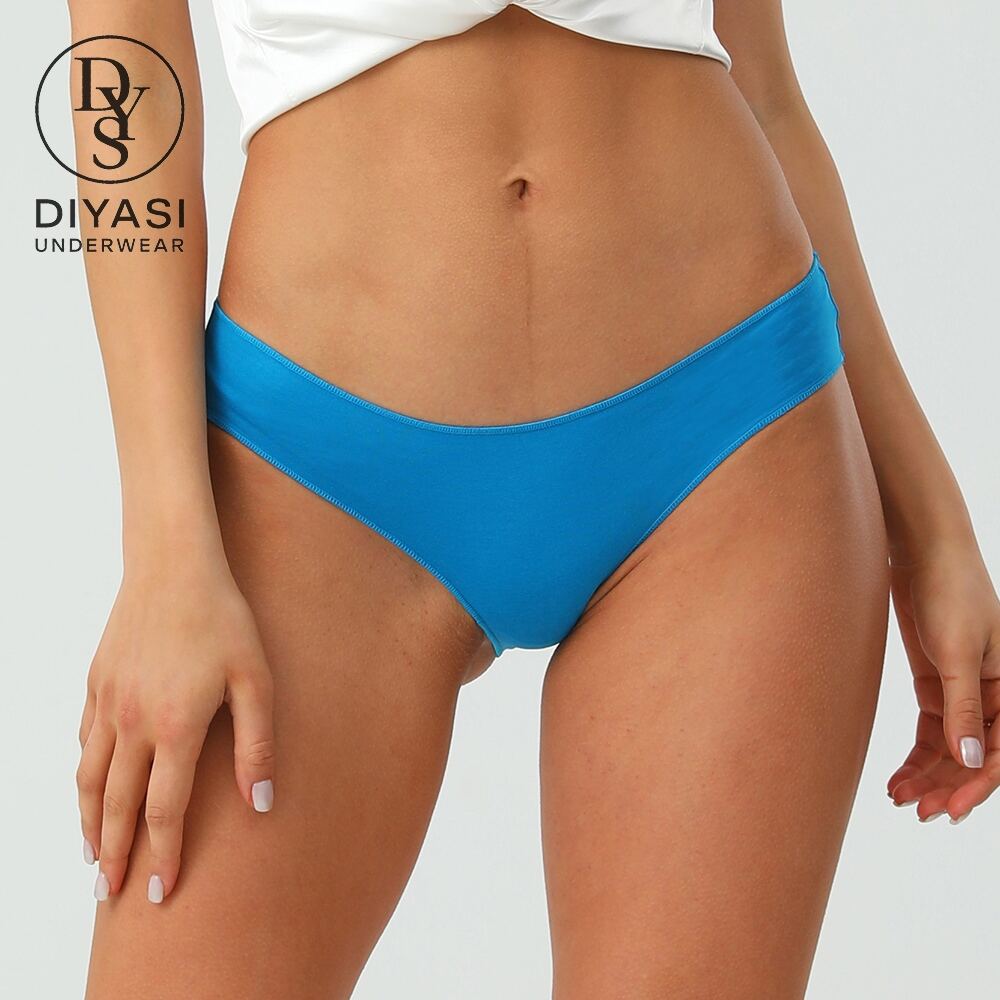
The strategic shift toward in-stock inventory models has revolutionized how emerging and established intimates brands execute their growth strategies. Rather than waiting weeks or months for custom manufacturing runs, forward-thinking companies now leverage pre-manufactured underwear collections that allow them to test markets, launch campaigns, and fulfill orders within days. This approach fundamentally changes the economics of scaling, enabling brands to reinvest capital more efficiently, minimize inventory risk, and build customer loyalty through consistent fulfillment. Understanding how to implement this model effectively separates brands that experience sustainable growth from those struggling with operational bottlenecks.
The Economic Foundation of Faster Scaling
Capital Efficiency Through Ready Inventory
Traditional intimates manufacturing requires substantial upfront investment before generating revenue. Brands typically commit to minimum order quantities ranging from 500 to 5,000 units per style, tying up capital for 60 to 120 days before products reach customers. This capital lock-up creates a significant barrier to scaling, especially for growing brands that need cash flow flexibility. In-stock underwear inventory fundamentally alters this equation by eliminating the gap between investment and revenue generation. Brands can purchase smaller quantities as needed, test product-market fit with minimal financial exposure, and redirect saved capital toward customer acquisition and marketing initiatives that drive growth.
The financial leverage gained through in-stock models extends beyond initial capital preservation. Intimates brands using this approach can maintain leaner balance sheets, reducing the risk of obsolete inventory and style misjudgments that plague custom manufacturing models. When a particular underwear style underperforms, brands face minimal sunk costs and can quickly pivot to alternative products. This agility enables faster iteration cycles, allowing companies to refine their product mix based on actual sales data rather than speculative forecasts. The compounding effect of these capital efficiencies creates an acceleration loop where brands can reinvest profits more rapidly, driving exponential rather than linear growth trajectories.
Speed-to-Market Advantages
Market timing often determines success or failure in the intimates industry, where trends shift rapidly and seasonal windows create limited opportunity periods. In-stock underwear inventory compresses time-to-market from months to days, enabling brands to capitalize on emerging trends before competition saturates the space. When social media influencers spark interest in specific styles or colors, brands with ready inventory can launch campaigns immediately, capturing demand while consumer attention remains high. This responsiveness creates a first-mover advantage that translates directly into market share gains and brand visibility.
The velocity advantage extends throughout the entire customer journey. Intimates brands utilizing in-stock models can promise and deliver shorter shipping times, directly impacting conversion rates and customer satisfaction scores. Research consistently shows that delivery speed influences purchase decisions in apparel categories, with faster fulfillment correlating to higher customer lifetime value. When brands source pre-manufactured underwear from reliable suppliers, they eliminate production-related delays and can optimize logistics for maximum speed. This operational excellence becomes a competitive moat that's difficult for slower-moving competitors to overcome, particularly as customer expectations for rapid fulfillment continue to escalate across all retail segments.
Risk Mitigation in Demand Forecasting
Demand forecasting represents one of the most challenging aspects of intimates brand management, with significant financial consequences for miscalculation. Custom manufacturing locks brands into specific style, color, and size distributions months before actual sales occur, creating substantial overstocking or stockout risks. In-stock underwear sourcing strategies dramatically reduce this forecasting burden by enabling just-in-time inventory approaches. Brands can maintain minimal safety stock while replenishing quickly based on real-time sales patterns, reducing the accuracy required in long-range forecasting and minimizing the financial impact of prediction errors.
This risk reduction becomes particularly valuable during market expansion phases when brands enter new geographic regions or demographic segments with limited historical data. Testing new markets with in-stock inventory allows intimates companies to validate demand assumptions with minimal financial exposure before committing to larger custom production runs. The ability to fail fast and cheaply accelerates learning cycles, enabling brands to identify winning combinations of product, pricing, and positioning more efficiently. As companies scale across multiple markets simultaneously, this risk-managed approach prevents catastrophic inventory buildups that can threaten business viability, creating a safer pathway to sustainable growth.
Operational Mechanisms Enabling Rapid Growth
Flexible Inventory Management Systems
Successfully scaling with in-stock underwear requires sophisticated inventory management that balances availability with capital efficiency. Leading intimates brands implement multi-tier stocking strategies that categorize products by velocity, maintaining deeper inventory of proven bestsellers while carrying minimal quantities of test products and slower-moving items. This segmentation allows brands to achieve high fill rates on core products while preserving capital flexibility for experimentation. Advanced inventory systems track sell-through rates by style, size, and color, automatically triggering reorders when products hit predetermined thresholds to prevent stockouts that damage customer experience and revenue.
The integration between sales channels and inventory systems becomes critical as intimates brands scale across direct-to-consumer websites, marketplaces, and wholesale partnerships. Real-time inventory synchronization prevents overselling while maximizing product exposure across all channels. Brands leveraging in-stock models from suppliers with reliable availability can operate with lower safety stock levels, confident in their ability to replenish quickly when demand spikes. This operational sophistication transforms inventory from a passive asset into an active growth tool, where capital allocation decisions directly influence market penetration and customer satisfaction outcomes.
Supplier Partnership Dynamics
The quality and reliability of supplier relationships fundamentally determine whether in-stock inventory strategies enable or constrain growth. Successful intimates brands cultivate partnerships with manufacturers who maintain substantial ready inventory across diverse style, size, and color ranges. These relationships require clear communication regarding forecast visibility, even when brands aren't committing to custom production, allowing suppliers to anticipate demand patterns and maintain appropriate stock levels. Strategic suppliers understand that supporting brand growth through reliable availability creates long-term partnership value, even if individual order sizes remain smaller than traditional manufacturing minimums.
As intimates brands scale, they often develop tiered supplier strategies that combine in-stock sourcing for new products and market tests with custom manufacturing for proven bestsellers. This hybrid approach optimizes capital efficiency during the validation phase while capturing manufacturing cost advantages as volumes grow. The transition from in-stock to custom production becomes a milestone in product lifecycle management, indicating sufficient demand certainty to justify upfront manufacturing investment. Maintaining both sourcing channels simultaneously provides operational resilience, ensuring brands can continue fulfilling demand even when production delays affect custom orders, protecting revenue and customer relationships during supply chain disruptions.
Technology Infrastructure Requirements
Scaling rapidly with in-stock underwear inventory demands robust technological infrastructure that provides visibility, automation, and analytical capabilities. Cloud-based inventory management systems enable real-time tracking across multiple warehouses and sales channels, providing the data foundation for intelligent decision-making. These systems integrate with e-commerce platforms, marketplace APIs, and fulfillment partners to create seamless information flow from customer order to product shipment. For intimates brands managing dozens or hundreds of SKUs across varying sizes, colors, and styles, this technological backbone prevents operational chaos that could otherwise constrain growth.
Advanced analytics transform raw inventory data into actionable growth insights, identifying which underwear styles deserve increased investment and which should be phased out. Predictive algorithms analyze historical sales patterns, seasonal trends, and external factors to generate demand forecasts that inform purchasing decisions. As brands scale, these capabilities become increasingly valuable, enabling small teams to manage complexity that would otherwise require extensive manual oversight. The brands that invest in appropriate technology infrastructure early in their growth journey establish operational foundations that support continued expansion, while those relying on spreadsheets and manual processes hit scalability ceilings that require painful system overhauls to overcome.
Market Responsiveness and Customer Experience
Rapid Product Testing and Iteration
The ability to test new intimates products quickly represents a significant competitive advantage in fashion markets where consumer preferences evolve constantly. In-stock underwear sourcing enables brands to introduce new styles with minimal financial commitment, launching test quantities to gauge market response before scaling successful products. This iterative approach reduces the cost of failure while accelerating the identification of winning products. Brands can run simultaneous tests across multiple styles, colors, or price points, generating market feedback within weeks rather than waiting months for custom production runs to complete.
Customer feedback loops tighten dramatically when brands can respond to preferences quickly. If customers request additional sizes or colors for popular underwear styles, brands with in-stock sourcing capabilities can expand offerings within days, capturing demand while interest remains high. This responsiveness builds customer loyalty and community engagement, as shoppers recognize that brands listen and adapt to their preferences. The cumulative effect of rapid iteration creates product assortments that align closely with market demand, driving higher conversion rates and customer satisfaction scores that fuel organic growth through word-of-mouth and repeat purchases.
Seasonal Campaign Execution
Seasonal marketing campaigns drive significant revenue for intimates brands, but execution requires precise coordination between marketing launch timing and product availability. In-stock inventory models eliminate the risk of campaigns launching before products arrive or inventory depleting before marketing spend generates full return. Brands can plan campaigns with confidence, knowing they can source adequate inventory to support promotional activities without months of advance planning. This operational certainty enables more aggressive marketing investment, as brands avoid the waste associated with campaigns that drive traffic to out-of-stock products.
The ability to respond to unexpected opportunities further amplifies growth potential. When cultural moments, viral trends, or competitor missteps create sudden market openings, intimates, underwear brands with ready inventory can capitalize immediately. Traditional manufacturing timelines make opportunistic marketing impossible, forcing brands to watch opportunities pass while waiting for production to complete. In-stock sourcing transforms market responsiveness from a theoretical advantage into a practical capability that directly impacts revenue and market share. Brands that consistently demonstrate this agility build reputations as trend leaders rather than followers, attracting customers who value innovation and timeliness.
Customer Retention Through Availability
Stockouts represent one of the most damaging experiences in e-commerce, directly impacting customer retention and lifetime value. When intimates shoppers encounter unavailable products, they typically purchase from competitors rather than waiting for restocks, permanently shifting future purchase patterns. In-stock inventory strategies dramatically reduce stockout frequency, ensuring customers can complete purchases when purchase intent peaks. This reliability builds trust and reduces customer acquisition costs, as satisfied buyers return for repeat purchases rather than requiring expensive re-marketing efforts to recapture.
The lifetime value implications of consistent availability compound over time. Customers who successfully complete their first purchase are significantly more likely to become repeat buyers, creating predictable revenue streams that support continued growth investment. For subscription-based intimates brands, product availability becomes even more critical, as stockouts that delay shipments erode the convenience value proposition driving subscription adoption. By maintaining high in-stock rates through strategic sourcing, brands protect and enhance the customer relationships that form the foundation of sustainable scaling, creating a virtuous cycle where operational excellence drives both retention and acquisition efficiency.
Financial Performance and Growth Metrics
Cash Conversion Cycle Optimization
The cash conversion cycle—measuring the time between paying suppliers and receiving customer payments—fundamentally determines how quickly intimates brands can scale. Traditional custom manufacturing extends this cycle significantly, with brands paying deposits months before selling products. In-stock underwear sourcing compresses the cycle dramatically, allowing brands to purchase inventory closer to actual sale dates and often after receiving customer payments in direct-to-consumer models. This timing advantage improves working capital efficiency, enabling brands to generate more revenue from the same capital base or alternatively, achieve the same revenue with less required funding.
Improved cash conversion cycles reduce dependency on external financing, allowing intimates brands to scale organically through retained earnings rather than requiring constant equity or debt infusions. This financial independence preserves ownership control and reduces dilution for founders and early investors. For venture-backed brands, efficient cash conversion demonstrates operational maturity that supports higher valuations in subsequent funding rounds. The financial discipline required to optimize working capital through in-stock sourcing creates management capabilities that benefit brands throughout their growth journey, establishing habits and systems that continue delivering value as companies mature.
Inventory Turn Rates and Profitability
Inventory turnover—measuring how frequently brands sell and replace inventory—directly impacts profitability and capital efficiency. Higher turnover rates indicate that capital invested in underwear inventory generates revenue more frequently, improving return on investment metrics that matter to both operators and investors. In-stock sourcing strategies enable higher turnover by reducing the minimum quantities brands must purchase and allowing more frequent replenishment cycles. Rather than buying six months of inventory in single orders, brands can purchase monthly or even weekly, keeping inventory fresh and aligned with current demand patterns.
The profitability implications extend beyond capital efficiency to include reduced markdowns and obsolescence costs. Intimates brands carrying excessive inventory often resort to discounting to clear slow-moving stock, eroding margins and training customers to wait for sales rather than purchasing at full price. In-stock models minimize excess inventory accumulation, protecting margin integrity and brand positioning. The combination of improved turnover and reduced markdowns creates substantial profitability advantages that compound as brands scale, generating the financial resources needed to fund continued expansion while maintaining healthy unit economics.
Scalability Across Market Segments
Geographic and demographic expansion represents a critical growth phase for successful intimates brands, but traditional manufacturing models create significant barriers to multi-market scaling. Custom production requires forecasting demand across all markets simultaneously, magnifying prediction errors and inventory risk. In-stock underwear sourcing enables sequential or parallel market entry with manageable risk profiles, as brands can test new segments with limited inventory commitments before scaling successful markets. This approach reduces the capital required for expansion while accelerating learning about regional preferences and marketing channel effectiveness.
The ability to customize product mix by market without incurring custom manufacturing minimums provides additional competitive advantages. Different regions often demonstrate distinct preferences for colors, styles, and sizing that would require separate production runs under traditional models. With in-stock sourcing, intimates brands can tailor offerings to local preferences by purchasing varied assortments from available inventory, optimizing market fit without operational complexity. This localization capability drives higher conversion rates and customer satisfaction in new markets, accelerating the path to profitability and establishing strong market positions before well-capitalized competitors recognize opportunities.
Strategic Implementation Considerations
Supplier Selection and Evaluation Criteria
Choosing the right suppliers for in-stock underwear sourcing requires evaluation across multiple dimensions beyond price. Inventory depth and breadth determine whether suppliers can truly support brand growth or will frequently stockout on key items. Intimates brands should assess not just current availability but supplier commitment to maintaining inventory across seasons and style lifecycles. Quality consistency becomes equally critical, as brands risk reputation damage if in-stock products fail to meet customer expectations. Thorough supplier vetting includes product sampling, quality system audits, and reference checks with other brands using similar sourcing models.
Communication capabilities and cultural fit often determine long-term partnership success. Suppliers who understand brand growth trajectories and proactively communicate about availability changes, new product opportunities, and potential issues enable smoother operations than those requiring constant brand-initiated follow-up. Time zone alignment, language proficiency, and technological capabilities for electronic data interchange all influence operational efficiency. As intimates brands scale, supplier relationships evolve from transactional to strategic, requiring partners who can grow alongside brands and potentially transition toward custom manufacturing for high-volume products while maintaining in-stock options for newer items.
Balancing In-Stock and Custom Manufacturing
Most successful scaling strategies eventually incorporate both in-stock sourcing and custom manufacturing, optimizing each approach for appropriate use cases. New product development and market testing naturally suit in-stock models, where flexibility and speed outweigh per-unit cost considerations. As specific underwear styles prove successful and reach predictable volume thresholds, custom manufacturing becomes economically attractive despite longer lead times and minimum order requirements. Determining the optimal transition point requires analyzing volume projections, carrying cost implications, and margin improvement potential from custom production.
This hybrid approach requires careful operational management to prevent complexity from overwhelming efficiency gains. Intimates brands must maintain clear systems distinguishing which products source through which channels, with appropriate inventory management and reordering processes for each. Some companies designate specific team members to manage in-stock relationships while others handle custom manufacturing, creating specialization that improves execution quality. The most sophisticated brands develop product lifecycle frameworks that automatically flag items meeting criteria for custom production transition, systematizing what could otherwise become ad-hoc decision-making that delays optimization.
Building Organizational Capabilities
Successfully scaling with in-stock underwear requires developing organizational capabilities beyond simply finding suppliers with available inventory. Teams need analytical skills to interpret sales data, identify trends, and make evidence-based purchasing decisions. Marketing and merchandising functions must coordinate closely to ensure promotional activities align with inventory availability. Customer service teams require real-time inventory visibility to set accurate expectations during customer interactions. Building these capabilities often requires investing in training, technology, and potentially new hires with relevant experience.
Cultural attributes also influence execution success. Organizations that embrace data-driven decision-making, rapid experimentation, and learning from failure tend to excel with in-stock models that reward these behaviors. Brands clinging to intuition-based merchandising or fearing small-scale product failures often struggle to capture full value from flexible sourcing approaches. Leadership plays a critical role in establishing cultures that support rapid scaling, setting expectations around acceptable failure rates during testing phases while maintaining accountability for overall performance. As intimates companies grow, deliberately cultivating these cultural elements prevents organizational drag that could otherwise constrain the operational advantages that in-stock sourcing provides.
FAQ
What minimum order quantities should intimates brands expect when sourcing in-stock underwear?
In-stock underwear sourcing typically involves significantly lower minimum order quantities compared to custom manufacturing, often ranging from 50 to 300 units per style depending on the supplier and product category. Some suppliers offer even smaller minimums for initial orders or sample purchases, enabling brands to test products with minimal financial commitment. The specific minimums vary based on factors including whether brands are purchasing single styles or mixed assortments, whether customization like logo addition is required, and the nature of the supplier relationship. As brands establish track records with suppliers and order volumes increase, many can negotiate more favorable terms including reduced minimums or flexible mixed-SKU ordering that further improves inventory efficiency.
How does in-stock sourcing affect product quality compared to custom manufacturing?
Product quality in in-stock underwear sourcing depends primarily on supplier selection rather than the sourcing model itself. Reputable suppliers maintaining ready inventory often produce to consistent quality standards, as they're manufacturing for their own stock risk rather than filling specific custom orders. Many established intimates manufacturers offer both in-stock and custom services, applying identical quality control processes to both product lines. Brands should conduct thorough quality evaluation during supplier vetting, requesting samples and potentially visiting facilities to assess manufacturing capabilities. The key difference lies in customization limitations rather than baseline quality, as in-stock products offer less flexibility for proprietary fabric blends, unique construction methods, or specialized features that might be available through custom manufacturing for brands willing to commit to larger volumes.
Can intimates brands maintain unique brand identity while using in-stock underwear products?
Intimates brands can absolutely maintain distinctive brand identity while leveraging in-stock products through strategic differentiation beyond physical product attributes. Brand identity stems from multiple elements including visual design language, brand storytelling, customer experience, marketing voice, and community engagement rather than solely from proprietary product construction. Many successful brands using in-stock sourcing differentiate through custom packaging, branded labels and tags, unique product photography and styling, and distinctive marketing narratives that create emotional connections with target audiences. Some suppliers also offer customization options for in-stock products including logo embroidery, custom colorways within existing styles, or exclusive arrangements where specific designs are reserved for individual brands, providing product differentiation while maintaining the speed and flexibility advantages of in-stock sourcing.
What indicators suggest an intimates brand should transition from in-stock to custom manufacturing?
Several key indicators signal readiness to transition specific products from in-stock sourcing to custom manufacturing, including consistent monthly sales volumes exceeding 500-1000 units for individual styles, predictable demand patterns allowing accurate forecasting three to six months forward, and margin pressure where per-unit cost reduction from larger production runs would significantly impact profitability. Additional factors include desire for proprietary product features not available in in-stock options, brand maturity where customers demonstrate loyalty beyond specific products reducing inventory risk, and adequate working capital to fund larger upfront manufacturing commitments without constraining business operations. Most successful intimates brands transition gradually, moving individual bestselling products to custom production while maintaining in-stock sourcing for new products and lower-volume items, creating hybrid models that optimize both flexibility and cost efficiency across their product portfolios.
Table of Contents
- The Economic Foundation of Faster Scaling
- Operational Mechanisms Enabling Rapid Growth
- Market Responsiveness and Customer Experience
- Financial Performance and Growth Metrics
- Strategic Implementation Considerations
-
FAQ
- What minimum order quantities should intimates brands expect when sourcing in-stock underwear?
- How does in-stock sourcing affect product quality compared to custom manufacturing?
- Can intimates brands maintain unique brand identity while using in-stock underwear products?
- What indicators suggest an intimates brand should transition from in-stock to custom manufacturing?