
 EN
EN


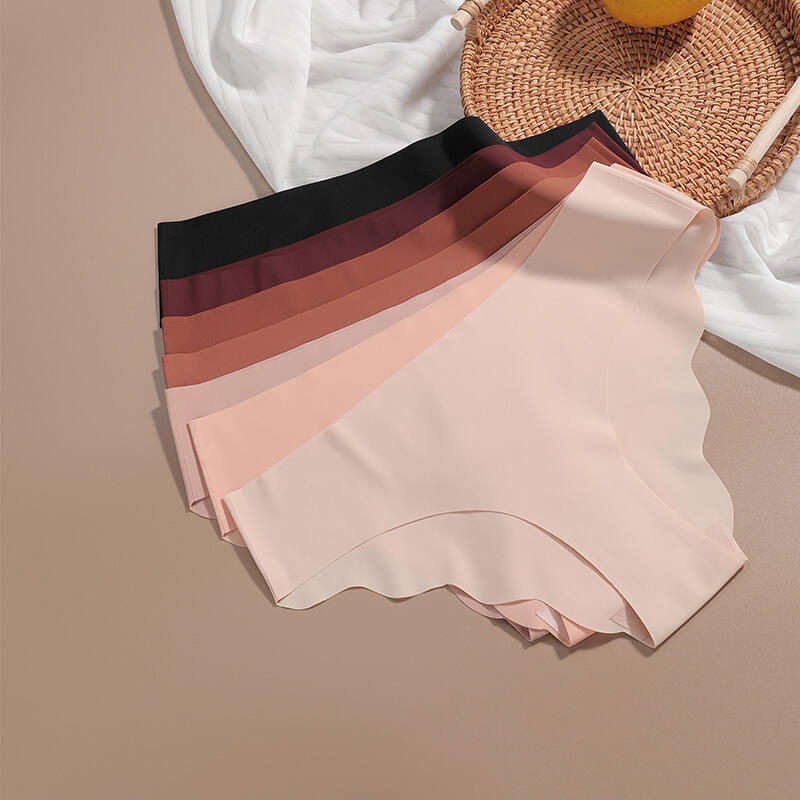
Starting your own intimate apparel brand requires strategic planning, especially when focusing on panties as your core product category. The modern fashion landscape offers unprecedented opportunities for entrepreneurs to create successful lingerie brands through Original Equipment Manufacturing partnerships. Understanding the manufacturing process, quality standards, and market positioning becomes crucial for anyone looking to establish a competitive presence in the intimate apparel industry.
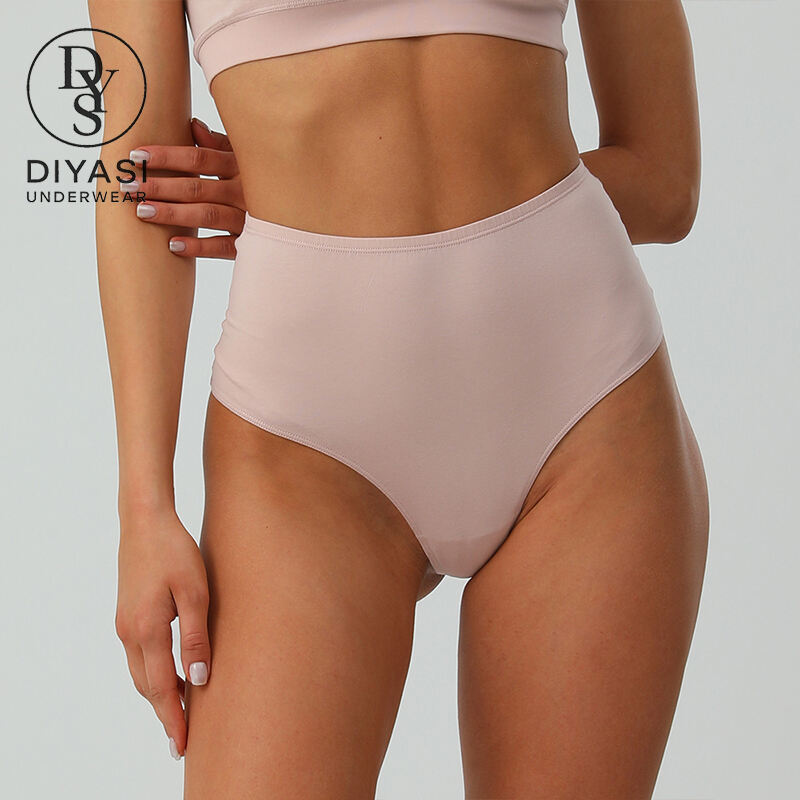
Factory OEM services provide the foundation for launching professional panties collections without massive capital investment in production facilities. These partnerships enable brand owners to focus on design innovation, marketing strategies, and customer relationship building while leveraging established manufacturing expertise. The intimate apparel market continues expanding globally, creating substantial opportunities for new brands that understand consumer preferences and quality expectations.
Successful panties brands emerge from careful consideration of fabric selection, fit engineering, and production scalability. Modern consumers demand comfort, durability, and style in their intimate apparel choices, making quality manufacturing partnerships essential for brand credibility. The following comprehensive guide explores every aspect of launching a panties line through strategic OEM collaboration, from initial concept development to market launch execution.
Understanding OEM Manufacturing for Intimate Apparel
Benefits of OEM Partnerships
Original Equipment Manufacturing partnerships offer significant advantages for panties brand development, particularly for entrepreneurs entering the intimate apparel market. These collaborations provide access to specialized equipment, technical expertise, and established quality control systems without requiring substantial upfront investments in manufacturing infrastructure. OEM partners typically maintain relationships with fabric suppliers, ensuring consistent material quality and competitive pricing for panties production.
Professional OEM manufacturers understand the technical requirements for intimate apparel production, including specialized sewing techniques, elastic application, and finishing processes that ensure comfort and durability. Their expertise extends beyond basic manufacturing to include pattern development, size grading, and quality testing protocols specific to panties and other intimate garments. This knowledge transfer proves invaluable for new brand owners developing their first collections.
Cost efficiency represents another major advantage of OEM partnerships, as established manufacturers achieve economies of scale through bulk material purchasing and optimized production processes. These savings translate into competitive pricing for panties brands, enabling better profit margins while maintaining market-competitive retail prices. Additionally, OEM partners often provide flexible minimum order quantities, allowing new brands to test market demand without excessive inventory commitments.
Selecting the Right Manufacturing Partner
Choosing an appropriate OEM partner requires thorough evaluation of manufacturing capabilities, quality standards, and communication efficiency. Potential partners should demonstrate experience with intimate apparel production, particularly panties manufacturing, including knowledge of fabric behavior, construction techniques, and comfort engineering. Review their existing client portfolio, production capacity, and quality certifications to ensure alignment with your brand standards.
Geographic considerations play important roles in partner selection, as proximity affects communication efficiency, shipping costs, and production timeline management. However, many successful panties brands work with international OEM partners who offer competitive pricing and specialized expertise. Evaluate potential partners based on their ability to maintain consistent quality, meet delivery schedules, and provide responsive customer service throughout the production process.
Technical capabilities assessment should include examination of available equipment, production capacity, and ability to handle various fabric types commonly used in panties manufacturing. Request samples of previous work, conduct facility visits when possible, and discuss their approach to quality control and testing procedures. Strong OEM partners will provide transparent information about their processes and welcome detailed discussions about your specific requirements.
Design Development and Product Planning
Market Research and Target Audience Analysis
Comprehensive market research forms the foundation for successful panties line development, helping identify consumer preferences, pricing expectations, and competitive positioning opportunities. Analyze existing brands in your target market segment, studying their product offerings, pricing strategies, and customer feedback to identify potential gaps or improvement opportunities. Understanding consumer demographics, purchasing behaviors, and lifestyle preferences enables more effective product development and marketing strategies.
Focus group discussions and surveys provide valuable insights into consumer expectations for panties design, comfort features, and style preferences. Consider factors such as age demographics, body types, lifestyle activities, and personal style preferences when developing your product range. Modern consumers increasingly value sustainability, ethical manufacturing, and inclusive sizing, factors that should influence your design decisions and brand positioning.
Competitive analysis should examine both direct competitors and complementary brands to understand market positioning strategies and identify differentiation opportunities. Study successful panties brands to understand their design philosophies, material choices, and customer engagement approaches. This research informs product development decisions and helps establish unique value propositions for your brand.
Design Specification Development
Creating detailed design specifications ensures successful communication with OEM partners and consistent product quality across your panties collection. Technical specifications should include precise measurements, construction details, fabric requirements, and finishing standards for each style in your line. Professional technical drawings, also known as flat sketches or tech packs, communicate design intentions clearly and reduce the likelihood of production errors.
Fabric selection significantly impacts the comfort, durability, and market appeal of your panties products. Consider factors such as stretch properties, moisture management, breathability, and care requirements when evaluating potential fabrics. Natural fibers like cotton offer breathability and comfort, while synthetic blends may provide enhanced stretch and moisture-wicking properties. Work with your OEM partner to evaluate fabric options and ensure compatibility with their production capabilities.
Size range development requires careful consideration of your target market demographics and body type diversity. Inclusive sizing strategies not only expand market opportunities but also demonstrate brand commitment to customer diversity and body positivity. Collaborate with your OEM partner to develop accurate size charts and ensure proper fit across all size ranges in your panties collection.
Production Planning and Quality Control
Sample Development Process
The sample development phase allows you to evaluate design concepts, test construction methods, and refine product specifications before committing to full production runs. Begin with initial prototypes that explore basic design elements, fit, and construction approaches for your panties styles. These early samples help identify potential design challenges and allow for iterative improvements before finalizing production specifications.
Fit testing represents a critical component of sample development, requiring evaluation across multiple body types and size ranges. Organize fit sessions with diverse volunteers who match your target demographic to assess comfort, coverage, and aesthetic appeal of your panties designs. Document feedback systematically and use this information to refine patterns and construction details for optimal fit and comfort.
Pre-production samples serve as final approval prototypes before launching full-scale manufacturing. These samples should represent exact specifications, materials, and construction methods planned for commercial production. Conduct thorough quality assessments including wash testing, stretch recovery evaluation, and wear testing to ensure your panties meet durability and comfort standards expected by consumers.
Quality Assurance Protocols
Establishing comprehensive quality control protocols protects your brand reputation and ensures customer satisfaction with your panties products. Work with your OEM partner to define specific quality standards, inspection procedures, and acceptance criteria for all aspects of production. Quality control should address fabric quality, construction accuracy, finishing details, and packaging presentation to maintain consistent brand standards.
In-process inspections during production help identify and address quality issues before they affect large quantities of panties. Implement checkpoint inspections at key production stages including fabric inspection upon receipt, pattern cutting accuracy verification, sewing quality assessment, and final product inspection before packaging. These systematic checks minimize defect rates and ensure consistent product quality across production runs.
Testing protocols should evaluate both immediate quality factors and long-term performance characteristics of your panties products. Conduct wash testing to assess color fastness, fabric stability, and elastic recovery after multiple wear and wash cycles. Comfort testing over extended wear periods helps identify potential issues with seam placement, elastic tension, or fabric behavior that might affect customer satisfaction.
Brand Development and Marketing Strategy
Brand Identity Creation
Developing a distinctive brand identity differentiates your panties line in the competitive intimate apparel market and creates emotional connections with target customers. Brand identity encompasses visual elements like logos, color schemes, and packaging design, as well as brand personality, values, and communication style. Consider how your brand identity reflects the lifestyle, values, and aspirations of your target customers when developing these elements.
Brand storytelling communicates your mission, values, and unique value proposition to potential customers, helping them understand why your panties brand deserves their attention and loyalty. Develop compelling narratives around comfort innovation, style philosophy, or commitment to quality that resonate with your target audience. Authentic brand stories create emotional connections that extend beyond product features to lifestyle alignment and personal values.
Visual brand elements should reflect the aesthetic preferences and lifestyle aspirations of your target customers while maintaining professional presentation standards. Photography style, color palettes, and graphic design elements communicate brand personality and quality perceptions before customers interact with your actual panties products. Consistency across all brand touchpoints reinforces brand recognition and builds customer trust over time.
Digital Marketing and E-commerce Strategy
Digital marketing strategies enable direct customer engagement and cost-effective promotion for panties brands, particularly important for new businesses with limited marketing budgets. Social media platforms provide opportunities to showcase product features, share brand stories, and engage with customers through visual content and community building. Platform selection should align with your target demographic preferences and content sharing behaviors.
Content marketing through blogs, social media, and email campaigns educates customers about panties care, styling tips, and industry trends while positioning your brand as a trusted authority in intimate apparel. Educational content builds customer relationships beyond transactional interactions and supports long-term brand loyalty. Consider topics such as fabric care instructions, fit guides, and styling advice that provide value to your audience.
E-commerce platform selection impacts customer experience, operational efficiency, and marketing capabilities for your panties brand. Evaluate platforms based on their intimate apparel-specific features, payment processing capabilities, inventory management tools, and marketing integration options. Professional product photography and detailed size guides become essential for online panties sales, as customers cannot physically evaluate fit and comfort before purchase.
Launch Strategy and Market Entry
Soft Launch and Market Testing
Soft launch strategies allow you to test market response, refine operations, and gather customer feedback before full-scale market entry with your panties line. Begin with limited product offerings and targeted customer segments to manage initial production volumes and focus marketing efforts effectively. This approach enables you to identify and address potential issues while building initial customer base and brand awareness.
Beta testing programs with select customers provide valuable feedback on product quality, fit, and customer experience before broader market launch. Offer exclusive early access to your panties collection in exchange for detailed feedback on product performance, purchasing experience, and brand perception. Use this feedback to refine products, improve customer service processes, and identify marketing messages that resonate most effectively with your target audience.
Limited geographic or demographic targeting during soft launch helps manage logistics complexity while gathering market intelligence. Focus initial efforts on regions or customer segments where you can provide excellent service and gather meaningful feedback. This targeted approach allows you to refine your value proposition and operational processes before expanding to broader markets with your panties brand.
Scale-up and Growth Planning
Successful panties brands require strategic planning for production scaling, inventory management, and market expansion as customer demand grows. Work with your OEM partner to understand their capacity limitations and scaling capabilities to ensure they can support your growth plans. Develop contingency plans for production increases and consider multiple supplier relationships to manage risk and ensure supply continuity.
Inventory management becomes increasingly complex as your panties line expands to include multiple styles, colors, and sizes. Implement inventory tracking systems that provide real-time visibility into stock levels, sales velocity, and reorder requirements. Accurate demand forecasting helps optimize inventory levels while minimizing stockouts and excess inventory that ties up working capital.
Market expansion strategies should consider geographic growth, product line extensions, and new customer segment targeting as your panties brand establishes market presence. Evaluate opportunities to introduce complementary products, expand into new geographic markets, or target additional demographic segments while maintaining focus on your core brand identity and quality standards. Strategic growth planning ensures sustainable business development while preserving the brand qualities that drive initial success.
FAQ
What minimum order quantities should I expect when launching a panties line with OEM services
Minimum order quantities for panties manufacturing typically range from 100 to 1000 pieces per style and color combination, depending on the OEM partner and production complexity. Many manufacturers offer lower minimums for initial orders to support new brand development, with quantities increasing for subsequent orders as production efficiency improves. Consider starting with basic styles in popular colors to minimize initial investment while testing market demand for your panties brand.
How long does the complete development process take from concept to market launch
The timeline for launching a panties line through OEM services typically spans 4-8 months, depending on design complexity, sampling iterations, and production scheduling. Initial design development and sample creation usually require 6-12 weeks, followed by production planning and manufacturing that takes an additional 8-16 weeks. Factor in additional time for quality testing, packaging development, and marketing preparation to ensure a successful launch of your panties collection.
What are the most important quality standards to establish with OEM partners for panties production
Critical quality standards for panties manufacturing include fabric quality specifications, construction accuracy tolerances, elastic performance requirements, and finishing standards. Establish clear guidelines for seam strength, color consistency, size accuracy, and packaging presentation to ensure consistent product quality. Include wash testing requirements, comfort assessment protocols, and inspection procedures at multiple production stages to maintain the quality standards your customers expect from your panties brand.
How should I price my panties products to remain competitive while maintaining healthy profit margins
Pricing strategy for panties should consider manufacturing costs, market positioning, and competitive landscape while maintaining sufficient margins for business sustainability. Research competitor pricing across similar quality levels and target demographics to establish appropriate price ranges for your market segment. Factor in all costs including materials, manufacturing, shipping, marketing, and overhead expenses when calculating minimum viable pricing for your panties products, typically aiming for 50-70% gross margins to support business growth and marketing investments.
Table of Contents
- Understanding OEM Manufacturing for Intimate Apparel
- Design Development and Product Planning
- Production Planning and Quality Control
- Brand Development and Marketing Strategy
- Launch Strategy and Market Entry
-
FAQ
- What minimum order quantities should I expect when launching a panties line with OEM services
- How long does the complete development process take from concept to market launch
- What are the most important quality standards to establish with OEM partners for panties production
- How should I price my panties products to remain competitive while maintaining healthy profit margins