


 EN
EN




The distinction between intimates and lingerie has become increasingly blurred in modern retail, yet understanding how brands define each category remains crucial for manufacturers, retailers, and consumers alike. While both terms refer to undergarments worn close to the body, the way brands position, market, and design products under these labels reveals significant differences in function, aesthetics, target demographics, and business strategy. This article explores the nuanced ways brands differentiate intimates from lingerie, examining the criteria that shape category definitions and the practical implications for product development and market positioning.
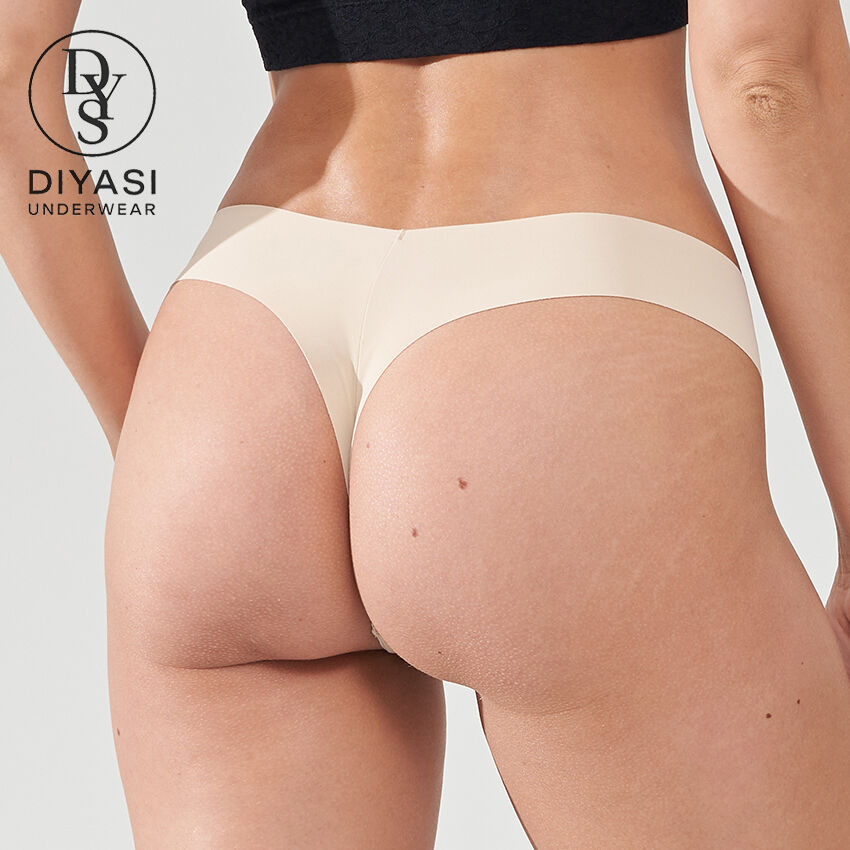
Brands typically define intimates as everyday foundational undergarments designed primarily for comfort, support, and practicality, while lingerie encompasses pieces crafted with aesthetic appeal, sensuality, and special occasion wear in mind. However, this basic framework only scratches the surface of how companies actually segment their product lines. The decision to classify a garment as intimates versus lingerie influences everything from fabric selection and construction methods to pricing strategies and marketing channels. Major apparel brands invest considerable resources in establishing clear category boundaries that align with consumer expectations while creating opportunities for upselling and cross-category shopping.
The Functional Foundation: How Brands Define Intimates
Core Design Philosophy for Intimates
When brands define intimates, they prioritize functionality as the primary design driver. Intimates are engineered to serve as invisible foundations beneath everyday clothing, providing support without drawing attention to themselves. Manufacturers focus on seamless construction, neutral color palettes, and moisture-wicking fabrics that enhance wearability throughout extended periods. The design language of intimates emphasizes problem-solving features such as tagless labels, adjustable components, and breathable materials that address practical concerns rather than aesthetic desires.
Leading brands position intimates as wardrobe essentials that consumers purchase in multipacks for routine rotation. This category includes intimates, lingerie items like everyday bras, basic briefs, shapewear, and camisoles designed to disappear under clothing. The construction methods prioritize durability and wash-resistance over delicate embellishments, with reinforced seams and high-quality elastic that maintains shape through dozens of laundry cycles. Brands define intimates through performance metrics such as support level, coverage area, and longevity rather than through romantic or fashion-forward attributes.
Material Selection and Construction Standards
The materials brands select for intimates reflect the category's utilitarian mission. Cotton blends dominate this segment due to their breathability, hypoallergenic properties, and cost-effectiveness for mass production. Microfiber fabrics have gained prominence in recent years as brands seek to offer smoother lines under fitted clothing while maintaining the comfort expectations associated with intimates. The emphasis remains on functional performance rather than visual luxury, with fabric choices driven by considerations like moisture management, elasticity retention, and skin compatibility.
Construction techniques for intimates emphasize simplicity and reproducibility at scale. Brands utilize flat-lock seaming, bonded edges, and laser-cut finishes to eliminate visible panty lines and bra straps that might show through outer garments. The production processes for intimates are optimized for efficiency and consistency, allowing manufacturers to maintain competitive pricing while meeting quality standards. This industrial approach to garment construction distinguishes intimates from lingerie, where handcrafted details and intricate assembly methods command premium pricing.
Target Consumer Profile for Intimates
Brands define their intimates collections with a broad consumer base in mind, targeting shoppers who prioritize value, practicality, and comfort in their undergarment purchases. The typical intimates customer seeks reliable basics that perform consistently without requiring special care or replacement after minimal use. Marketing messages for intimates emphasize everyday confidence, all-day comfort, and versatile styling options that work with various outfits and occasions. This democratized approach to product positioning contrasts sharply with the aspirational messaging brands employ for lingerie.
Demographic research shows that intimates purchasers span wider age ranges and lifestyle categories than lingerie consumers, with products designed to accommodate diverse body types and practical needs. Brands develop size ranges that extend beyond standard measurements, recognizing that intimates serve as foundational garments for real-world bodies engaged in daily activities. The shopping behavior associated with intimates tends toward functional replenishment rather than impulse buying, with consumers making planned purchases to replace worn items or stock up on preferred styles.
The Aesthetic Dimension: How Brands Position Lingerie
Design Intent and Creative Expression in Lingerie
Brands define lingerie through an entirely different lens, emphasizing aesthetic appeal, emotional resonance, and self-expression as primary value propositions. Lingerie design incorporates decorative elements such as lace appliqués, embroidery, mesh panels, and satin trims that transform undergarments into fashion statements. The creative process for lingerie collections draws inspiration from haute couture, seasonal fashion trends, and romantic imagery rather than purely functional requirements. Designers working in lingerie focus on silhouette, visual impact, and the tactile experience of luxurious materials against skin.
The construction of lingerie pieces often involves multiple fabric types within a single garment, creating visual interest through contrasting textures and strategic transparency. Brands position lingerie as confidence-building pieces that make the wearer feel special, whether visible to others or worn as a personal luxury. This category includes bralettes with intricate strapping details, chemises featuring delicate lace overlays, and underwear designed to be seen as part of layered outfits. The distinction between intimates and lingerie becomes most apparent in the design intent—lingerie is crafted to be noticed and appreciated rather than to disappear beneath clothing.
Premium Materials and Artisanal Craftsmanship
Material selection for lingerie reflects the category's emphasis on luxury and sensory appeal. Brands source French Leavers lace, Italian silk charmeuse, and Swiss embroidered tulle to create pieces that justify premium price points through tangible quality differences. The tactile properties of lingerie fabrics prioritize softness, drape, and visual elegance over the durability metrics that govern intimates production. Even synthetic materials used in lingerie are selected for their ability to mimic the hand-feel and appearance of natural luxury fibers while offering improved care properties.
Construction methods for lingerie often involve specialized techniques that require skilled labor and extended production timelines. Brands highlight hand-sewn details, individually attached embellishments, and multi-step assembly processes that distinguish lingerie from mass-produced intimates. The economics of lingerie production allow for smaller batch sizes and more experimental designs, as the target consumer accepts higher per-unit costs in exchange for unique styling and superior craftsmanship. This artisanal approach to garment creation reinforces the perception of lingerie as special-occasion wear rather than everyday essentials.
Market Segmentation and Consumer Psychology
Brands define their lingerie offerings with a more segmented consumer profile, targeting shoppers who view undergarments as opportunities for self-expression and romantic engagement. The lingerie customer is typically willing to invest more per piece, shops with emotional motivations rather than purely functional needs, and maintains a separate mental budget for these purchases distinct from basic wardrobe expenditures. Marketing strategies for lingerie emphasize aspiration, transformation, and the psychological benefits of wearing beautiful undergarments, even when they remain hidden from view.
Purchase behavior in the lingerie category tends toward gift-giving occasions, special events, and self-reward purchases rather than routine replenishment. Brands capitalize on this by creating seasonal collections, limited editions, and collaborations with fashion designers that generate excitement and urgency. The shopping experience for lingerie often involves specialty boutiques, dedicated department store sections, or premium online platforms that cultivate an atmosphere of luxury and exclusivity. This contrasts with the mass-market retail environments where intimates are typically sold alongside basic apparel staples.
Brand Strategy: The Blurred Lines Between Categories
Hybrid Products and Category Crossover
Contemporary brands increasingly recognize that rigid boundaries between intimates and lingerie limit their ability to capture diverse consumer preferences and shopping occasions. Many companies now develop hybrid products that incorporate decorative elements traditionally associated with lingerie while maintaining the practical wearability of intimates. Wireless bralettes with lace trim designed for all-day comfort exemplify this trend, as do seamless thongs featuring subtle mesh insets that provide visual interest without sacrificing invisibility under clothing.
This strategic blurring of category definitions allows brands to expand their addressable market by appealing to consumers who seek moderate luxury in everyday pieces. Products positioned at the intersection of intimates and lingerie command mid-tier pricing that exceeds basic intimates but remains accessible compared to premium lingerie. Brands carefully calibrate the design elements, material quality, and marketing messaging for these hybrid pieces to avoid confusing consumers or diluting the distinct identities of their pure intimates and lingerie collections.
Retail Merchandising and Category Presentation
The physical and digital presentation of products plays a crucial role in how brands define the boundaries between intimates and lingerie. In retail environments, intimates typically occupy functional fixtures with straightforward organization by size and color, often merchandised alongside basic apparel. Lingerie receives more theatrical presentation, with specialty lighting, mannequin styling, and atmospheric fixtures that create a boutique shopping experience within larger stores. This environmental distinction reinforces consumer perceptions about the different purposes and value propositions of each category.
Online platforms employ similar differentiation strategies through photography style, product descriptions, and navigation architecture. Intimates are photographed on models in natural poses wearing casual outerwear that demonstrates how the pieces function beneath everyday clothing. Lingerie photography emphasizes the garments themselves through artistic styling, dramatic lighting, and poses that showcase design details. Product descriptions for intimates focus on technical specifications like fabric composition and care instructions, while lingerie copywriting employs evocative language that appeals to emotional and aesthetic sensibilities.
Pricing Architecture and Value Communication
Brands establish clear pricing tiers that signal the categorical distinction between intimates and lingerie while justifying the cost differences to consumers. Intimates typically fall within accessible price ranges that enable multipack purchases and frequent replacement, with promotional strategies emphasizing volume discounts and everyday value. Lingerie commands premium pricing supported by narratives about craftsmanship, material quality, and design exclusivity. The price gap between categories communicates to consumers that lingerie represents a different class of product warranting different purchase consideration.
Some brands leverage tiered product lines that span from basic intimates through mid-tier everyday luxury pieces to premium lingerie collections, creating upgrade pathways that encourage consumers to explore higher-value offerings. This portfolio approach allows companies to serve diverse consumer segments while maintaining clear category definitions at each price point. The strategic use of pricing to define product categories extends to promotional calendars, with intimates frequently featured in value-oriented sales events while lingerie promotions emphasize seasonal exclusivity or special occasion gifting.
Industry Standards and Classification Systems
Manufacturing Specifications and Quality Benchmarks
At the manufacturing level, brands define intimates and lingerie through distinct technical specifications that govern everything from thread count and seam strength to embellishment attachment methods. Intimates production follows standardized protocols optimized for efficiency, consistency, and scalability, with quality control focused on functional performance metrics. Manufacturers working with intimates brands prioritize production volumes, quick turnaround times, and cost management to support the category's positioning as accessible everyday essentials.
Lingerie manufacturing involves more specialized facilities equipped to handle delicate materials and complex construction techniques. Quality benchmarks for lingerie emphasize aesthetic perfection, with standards governing lace pattern matching, embroidery placement precision, and finishing details that would be considered unnecessary in intimates production. The manufacturing partnerships brands establish for each category reflect these different requirements, with intimates often produced in high-volume facilities serving multiple clients while lingerie may involve exclusive relationships with specialized ateliers.
Regulatory and Labeling Considerations
While regulatory frameworks for textile products apply equally to both intimates and lingerie, brands often employ different approaches to compliance and labeling based on category positioning. Intimates packaging typically emphasizes care simplicity and durability claims that resonate with the category's practical orientation. Lingerie packaging and labeling incorporate more extensive care instructions reflecting the delicate nature of materials and construction, along with messaging about the special nature of the products that justifies the additional care requirements.
Industry classification systems used for retail analytics, supply chain management, and market research typically distinguish between intimates and lingerie using criteria that combine price point, material composition, and design characteristics. These formal classification schemes help brands benchmark their offerings against competitors, identify white space opportunities in the market, and make data-driven decisions about product development priorities. Understanding how industry systems categorize products enables brands to position their offerings strategically within established frameworks while potentially challenging category conventions through innovative product concepts.
Consumer Research and Category Perception
Brands invest significantly in consumer research to understand how shoppers mentally categorize undergarments and what attributes drive purchase decisions in each segment. Focus groups, ethnographic studies, and quantitative surveys reveal that consumers maintain distinct mental frameworks for intimates versus lingerie, associating each category with different usage occasions, emotional contexts, and value expectations. These insights inform how brands develop products, craft marketing messages, and structure their portfolios to align with consumer categorization schemas.
Research consistently shows that while consumers recognize the basic distinction between everyday intimates and special-occasion lingerie, they also demonstrate significant individual variation in how they apply these categories to specific products. Some shoppers classify all undergarments as intimates regardless of design aesthetics, while others reserve the term lingerie for pieces they consider overtly romantic or impractical for daily wear. Successful brands acknowledge this perceptual diversity by employing flexible category definitions that accommodate different consumer interpretations while maintaining coherent product line identities.
FAQ
What is the primary difference between intimates and lingerie from a brand perspective?
Brands primarily differentiate intimates from lingerie based on design intent and target usage occasion. Intimates are positioned as functional, everyday undergarments engineered for comfort, support, and invisibility beneath clothing, with design priorities centered on practicality and durability. Lingerie is defined as aesthetically driven pieces crafted for visual appeal, emotional resonance, and special occasions, with emphasis on decorative elements, luxury materials, and romantic styling. This fundamental distinction influences every aspect of product development including material selection, construction methods, pricing strategies, and marketing approaches.
Can the same product be classified as both intimates and lingerie?
Yes, many contemporary brands develop hybrid products that blur the traditional boundaries between intimates and lingerie by combining functional wearability with aesthetic appeal. These crossover pieces might include everyday bralettes with lace details, seamless underwear featuring subtle embellishments, or comfortable chemises designed for both sleep and intimate moments. Brands strategically position these products to capture consumers seeking moderate luxury in their daily undergarments, typically pricing them between basic intimates and premium lingerie while marketing them as versatile pieces suitable for multiple wearing occasions.
How do material choices signal whether a product is intimates or lingerie?
Material selection serves as a primary indicator of category classification, with intimates typically constructed from practical fabrics like cotton blends, microfiber, and performance synthetics chosen for breathability, durability, and ease of care. Lingerie features luxury materials including French lace, silk, satin, and embroidered tulle selected for their tactile appeal, visual elegance, and association with premium quality. While some overlap exists, particularly in hybrid products, the predominant fabric composition and finishing techniques clearly communicate whether a brand intends a piece to serve functional everyday needs or provide an elevated aesthetic experience.
Why do brands maintain separate categories instead of merging intimates and lingerie?
Brands maintain distinct intimates and lingerie categories because these classifications serve different consumer needs, shopping behaviors, and price tolerance levels, allowing companies to maximize market coverage and revenue opportunities. The category separation enables targeted marketing messages, appropriate pricing strategies, and specialized product development approaches that would be diluted in a merged category. Additionally, maintaining clear boundaries helps consumers navigate product assortments efficiently, making purchase decisions based on whether they need functional basics or special pieces. This strategic segmentation also creates natural upselling opportunities as brands encourage consumers to explore both categories for different aspects of their undergarment wardrobes.
Table of Contents
- The Functional Foundation: How Brands Define Intimates
- The Aesthetic Dimension: How Brands Position Lingerie
- Brand Strategy: The Blurred Lines Between Categories
- Industry Standards and Classification Systems
-
FAQ
- What is the primary difference between intimates and lingerie from a brand perspective?
- Can the same product be classified as both intimates and lingerie?
- How do material choices signal whether a product is intimates or lingerie?
- Why do brands maintain separate categories instead of merging intimates and lingerie?