


 EN
EN


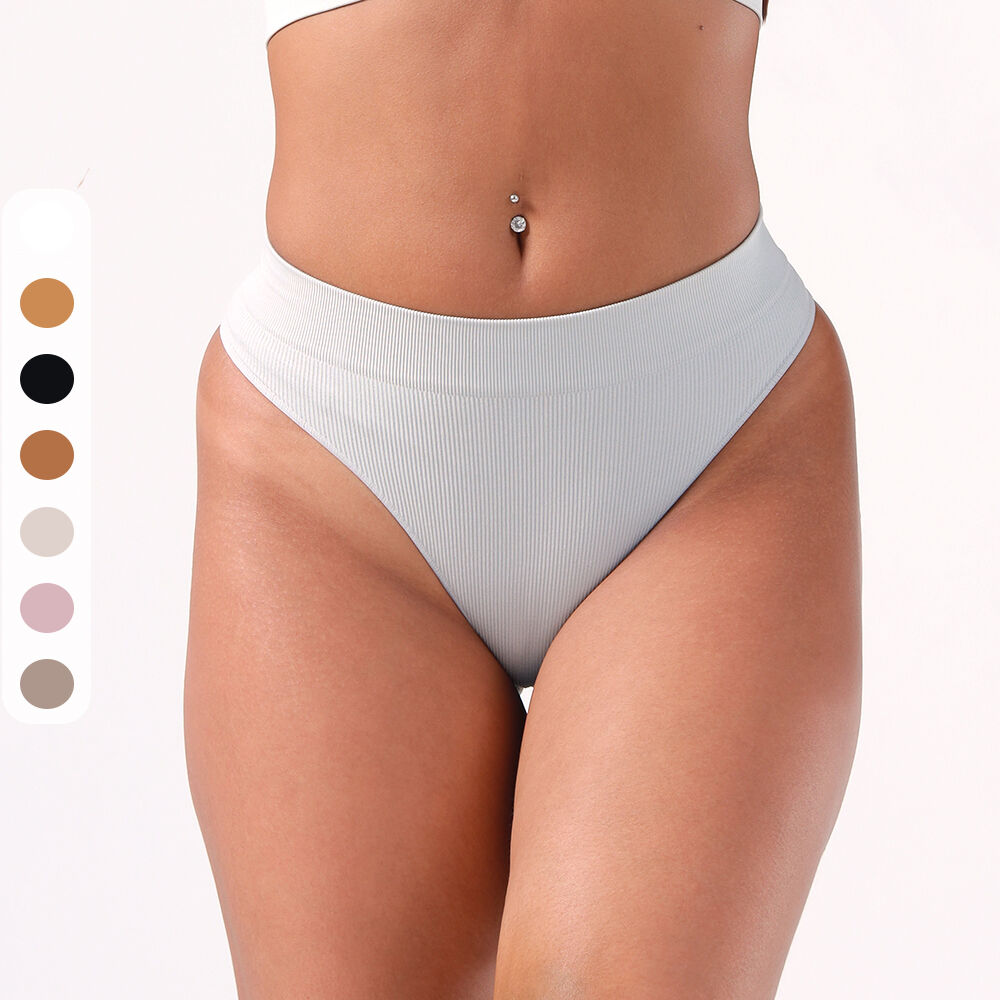
Building an independent lingerie brand requires understanding the complete manufacturing journey from initial concept to final product delivery. The lingerie industry presents unique challenges and opportunities for entrepreneurs seeking to establish their own label, with manufacturing decisions directly impacting product quality, brand positioning, and profitability. Whether you're launching a boutique lingerie line or scaling an influencer-driven intimate apparel brand, mastering the production process ensures your vision translates into products customers love while maintaining sustainable business operations.
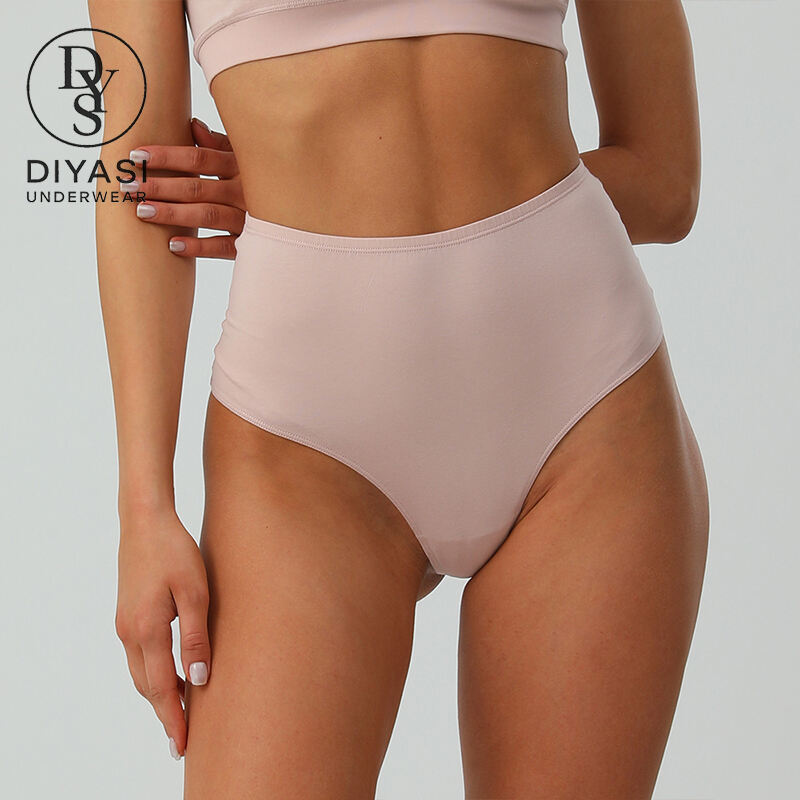
This comprehensive guide walks you through every stage of lingerie manufacturing, from selecting factory partners and understanding minimum order quantities to quality control protocols and brand development strategies. The journey from factory floor to independent brand ownership involves strategic decisions about materials, construction methods, supplier relationships, and market positioning that collectively determine your competitive advantage. By understanding factory capabilities, production timelines, and industry standards, you'll be equipped to launch a lingerie brand that balances quality craftsmanship with commercial viability while avoiding common pitfalls that derail many startup intimate apparel ventures.
Understanding the Lingerie Manufacturing Landscape
Factory Types and Production Models
The lingerie manufacturing sector encompasses various factory types, each offering distinct advantages for independent brand owners. Large-scale production facilities specialize in high-volume orders with standardized designs, typically requiring minimum order quantities of several thousand pieces per style. These factories excel at efficiency and cost-effectiveness but may lack flexibility for small brands experimenting with design variations. Mid-sized manufacturers balance production capacity with customization options, often accepting orders as low as 500 to 1,000 pieces while maintaining competitive pricing structures that support emerging lingerie labels.
Boutique-focused manufacturers have transformed the lingerie industry by offering low minimum order quantities specifically designed for independent brands and influencer-driven businesses. These specialized facilities understand the unique needs of smaller operations, providing lingerie production services starting at 100 pieces per design. This accessibility allows brand owners to test market response, refine designs based on customer feedback, and manage inventory risk without committing significant capital to untested products. The boutique manufacturing model democratizes lingerie production, enabling entrepreneurs to enter the market with professional-quality products previously available only to established brands.
Geographic Manufacturing Considerations
Manufacturing location significantly impacts production costs, quality standards, communication efficiency, and shipping logistics for lingerie brands. Asian manufacturing hubs offer competitive pricing and extensive technical expertise accumulated through decades of intimate apparel production. Factories in these regions possess specialized equipment for delicate lingerie construction, including multi-needle machines for stretch lace application, ultrasonic bonding systems for seamless designs, and precision cutting technology for pattern accuracy. Time zone differences and language barriers require careful management but can be overcome through dedicated account representatives and digital communication platforms.
Domestic and nearshore manufacturing options provide advantages in communication speed, shorter lead times, and easier quality oversight for lingerie brand owners. These facilities typically charge higher per-unit costs but reduce shipping expenses, minimize customs complications, and allow for rapid response to market trends or production issues. Emerging brands often benefit from hybrid manufacturing strategies, producing core collections domestically for quick turnaround and market testing while manufacturing replenishment orders internationally for improved margins. Understanding the trade-offs between cost, control, and convenience helps lingerie entrepreneurs select manufacturing partners aligned with their brand strategy and growth trajectory.
Production Capabilities and Specializations
Not all lingerie manufacturers possess identical capabilities, with specialization varying by garment type, construction method, and material expertise. Some factories excel at bralette production with expertise in wireless construction and decorative lace application, while others specialize in structured bras requiring underwire channeling, multi-part cup construction, and precise sizing across extensive size ranges. Panty manufacturing involves different equipment and skills, with seamless styles requiring circular knitting machines and traditional cuts utilizing flatlock seaming or picot elastic application techniques specific to intimate apparel.
Technical capabilities extend beyond basic construction to include specialized finishing processes that distinguish quality lingerie from mass-market alternatives. Advanced manufacturers offer services like custom dyeing for precise color matching, heat-transfer printing for intricate designs without bulk, laser cutting for clean edges on synthetic fabrics, and hand-finishing details that elevate product presentation. Understanding factory specializations ensures your lingerie designs align with manufacturer strengths, avoiding production delays or quality compromises that occur when factories attempt unfamiliar construction methods. Requesting detailed capability statements and production samples during factory evaluation reveals whether potential partners possess the technical expertise your lingerie brand requires.
Developing Your Lingerie Product Line
Design Development and Technical Specifications
Successful lingerie manufacturing begins with comprehensive design development that balances aesthetic vision with production feasibility. Technical design packages include detailed flat sketches showing front, back, and side views with precise measurements for each component, material specifications identifying fabric types with stretch percentages and weight requirements, and construction notes explaining seaming methods, elastic applications, and finishing details. Clear technical documentation prevents miscommunication between brand owners and factory teams, ensuring manufactured products match intended designs while avoiding costly revision cycles that delay product launches.
Material selection profoundly impacts lingerie quality, comfort, and production costs, requiring careful consideration of fiber content, fabric construction, and performance characteristics. Natural fibers like cotton and modal offer breathability and softness valued in everyday lingerie styles, while synthetic materials including nylon and polyester provide stretch, durability, and moisture management for active and performance-oriented designs. Lace selection involves decisions about stretch versus non-stretch varieties, galloon versus all-over patterns, and quality grades that affect both appearance and longevity. Partnering with manufacturers who provide material sourcing assistance helps emerging brands navigate the complex lingerie textile landscape while ensuring fabric selections support both design intent and production efficiency.
Size Range Strategy and Grading
Size range decisions significantly impact lingerie manufacturing costs, inventory complexity, and market accessibility for independent brands. Starting with a focused size range allows efficient inventory management and production planning while testing market demand across different customer segments. Many successful lingerie brands launch with core sizes covering approximately 70 to 80 percent of their target market, then expand based on sales data and customer requests. Strategic size range planning balances inclusivity goals with operational realities, recognizing that each additional size multiplies inventory requirements, production minimums, and working capital needs.
Pattern grading translates base size designs across the entire size range, requiring specialized expertise in lingerie fit principles that differ from general apparel. Proper grading maintains design proportions and fit consistency as sizes scale up or down, adjusting not just overall dimensions but also detail placements, elastic tensions, and structural reinforcements appropriate to each size. Factory partners with strong technical teams provide grading services that ensure your lingerie fits consistently across the size spectrum, preventing fit complaints that damage brand reputation. Investing in professional grading from the outset creates a foundation for sustainable growth, allowing seamless size range expansion as your brand scales without compromising the fit quality that drives customer loyalty.
Color and Print Strategies
Color selection influences lingerie manufacturing complexity, inventory management, and market appeal, with strategic planning optimizing both aesthetic impact and operational efficiency. Core neutral colors including black, white, nude, and grey provide foundational options that appeal across customer segments while maintaining steady sales velocity throughout the year. Seasonal colors and trend-driven shades create excitement and urgency but require careful quantity planning to avoid excess inventory as trends shift. Many independent lingerie brands adopt a balanced approach, maintaining core neutrals supplemented by rotating seasonal colors that refresh the product line without overwhelming inventory capacity.
Custom dyeing and printing expand creative possibilities for lingerie brands seeking distinctive visual identities but introduce additional manufacturing considerations. Minimum dye lot quantities typically range from 50 to 200 kilograms depending on fabric type and color complexity, potentially exceeding material needs for low minimum order production runs. Digital printing technology has reduced minimums for custom prints while enabling intricate patterns previously impossible in lingerie construction, though print durability and stretch compatibility require careful evaluation. Collaborating with manufacturers experienced in custom color development helps navigate technical requirements while achieving the visual distinction that differentiates your lingerie brand in competitive markets.
Navigating the Manufacturing Process
Sampling and Prototyping Phases
The sampling process transforms design concepts into physical prototypes, providing essential opportunities to evaluate fit, construction quality, and material performance before committing to production quantities. Initial samples reveal how designs translate from sketches to three-dimensional garments, exposing potential fit issues, construction challenges, or aesthetic misalignments that require refinement. Lingerie sampling typically involves multiple revision rounds, with experienced brands budgeting for two to four sample iterations per style as designs are perfected through progressive adjustments. Each sample cycle provides learning opportunities, informing decisions about sizing, materials, and construction methods that determine final product quality.
Sample evaluation requires systematic assessment across multiple dimensions, including fit testing on diverse body types, construction examination for seam quality and durability, material performance testing through washing and wearing, and aesthetic evaluation under various lighting conditions. Documenting observations and feedback systematically creates clear communication with factory teams while building institutional knowledge for future lingerie development. Many successful brand owners maintain sample archives with detailed notes, creating reference libraries that streamline subsequent product development while maintaining consistency across collections. Investing adequate time and resources in sampling prevents costly production mistakes while ensuring your lingerie meets the quality standards essential for brand reputation and customer satisfaction.
Quality Standards and Inspection Protocols
Establishing clear quality standards protects your lingerie brand reputation while preventing costly returns, replacements, and customer dissatisfaction. Comprehensive quality specifications document acceptable tolerances for measurements, construction details, material characteristics, and finishing standards, providing objective criteria for evaluating production output. Lingerie-specific quality considerations include elastic tension consistency, lace attachment security, trim alignment accuracy, and strap adjustment functionality that directly impact wearing comfort and product longevity. Communicating quality expectations clearly to manufacturing partners before production begins establishes mutual understanding and accountability for meeting specified standards.
Inspection protocols ensure production output meets established quality standards through systematic evaluation at critical production stages. Pre-production inspections verify correct materials, trims, and specifications before cutting begins, preventing costly errors that would affect the entire production run. In-line inspections during production identify issues early when corrections remain feasible without significant waste or delay. Final inspections before shipment provide comprehensive quality assessment, checking random samples against approved standards while documenting any defects or deviations. Many lingerie brands employ independent third-party inspection services for objective quality verification, particularly when manufacturing internationally where direct oversight proves challenging. Robust quality control systems protect brand integrity while building manufacturer accountability for consistent quality delivery.
Production Timeline Management
Understanding lingerie production timelines enables realistic planning for product launches, inventory replenishment, and seasonal collections. Standard production cycles span 60 to 90 days from order placement to delivery, encompassing material procurement, cutting and sewing operations, quality inspection, and shipping logistics. Rush production options exist but typically incur premium charges and may compromise quality as manufacturers accelerate processes designed for careful execution. Strategic timeline planning accounts for potential delays including material shortages, equipment breakdowns, holiday closures, and shipping disruptions that commonly affect manufacturing schedules.
Successful lingerie brands build timeline buffers into their planning, avoiding last-minute rushes that stress manufacturing relationships and increase error risks. Working backward from target launch dates or seasonal selling windows establishes clear milestones for design finalization, sample approval, material procurement, and production scheduling. Regular communication with factory partners throughout the production cycle provides visibility into progress and early warning of potential delays requiring contingency planning. Many experienced brand owners maintain production calendars tracking multiple concurrent orders across different styles and factories, ensuring coordinated inventory availability that supports consistent product offerings without excessive working capital tied up in premature production.
Building Your Independent Lingerie Brand
Minimum Order Quantity Strategies for New Brands
Minimum order quantity requirements significantly impact capital needs, inventory risk, and market entry feasibility for new lingerie brands. Traditional manufacturers requiring thousands of pieces per style create barriers that exclude many aspiring entrepreneurs from the intimate apparel market. The emergence of low minimum order manufacturers has democratized lingerie production, enabling brand launches with initial orders as small as 100 pieces per design. This accessibility allows test-and-learn approaches where emerging brands validate market demand, refine designs based on real customer feedback, and build revenue before committing to larger production volumes.
Strategic order quantity planning balances several competing considerations including per-unit production costs, inventory carrying costs, stockout risks, and working capital constraints. Larger orders reduce per-piece manufacturing costs through efficiency gains but increase inventory risk if products underperform market expectations. Smaller initial orders preserve capital and flexibility while accepting higher per-unit costs as market entry investments. Many successful lingerie entrepreneurs adopt graduated order strategies, starting with minimum quantities across multiple styles to test market reception, then concentrating larger reorders on proven bestsellers while eliminating slow-moving designs. This data-driven approach optimizes inventory investment while building manufacturing relationships that support brand growth.
Branding and Customization Options
Effective branding differentiates your lingerie line in crowded markets while building customer recognition and loyalty. Custom labeling represents the most essential branding element, with woven or printed labels featuring brand names, logos, care instructions, and size information sewn into each garment. Label quality directly impacts brand perception, with professionally finished labels signaling attention to detail and quality commitment. Many lingerie manufacturers offer custom labeling services as standard features, guiding brand owners through label design, material selection, and placement decisions that optimize both aesthetics and functionality.
Packaging customization extends brand experience beyond the garment itself, creating memorable unboxing moments that drive social media sharing and repeat purchases. Custom packaging options range from simple branded polybags to elaborate gift boxes with tissue paper, ribbon closures, and branded inserts that communicate brand values and care instructions. Packaging investment levels should align with brand positioning and price points, with premium lingerie brands justifying elaborate packaging through higher retail prices while value-focused brands optimize cost-effective options that maintain professional presentation. Thoughtful packaging decisions balance brand expression with practical considerations including shipping weight, storage requirements, and environmental sustainability increasingly valued by conscious consumers.
Supply Chain and Inventory Management
Efficient supply chain management ensures consistent product availability while optimizing working capital allocation for lingerie brands. Inventory planning requires forecasting demand across multiple variables including styles, sizes, colors, and seasonal patterns, with forecasting accuracy improving as brands accumulate sales history and customer insights. Many emerging brands struggle with inventory imbalances, simultaneously experiencing stockouts of popular items while carrying excess slow-moving inventory that ties up capital and warehouse space. Systematic inventory tracking and reorder systems prevent these problems, using sales velocity data to guide replenishment timing and quantities that maintain target service levels without excessive safety stock.
Relationship development with manufacturing partners supports responsive supply chains that adapt to changing market conditions and business growth. Regular communication, timely payments, and reasonable lead time expectations build manufacturer goodwill that translates into priority production scheduling, flexibility during challenges, and preferential terms as order volumes increase. Many successful lingerie brands cultivate long-term partnerships with key manufacturers, viewing these relationships as strategic assets that provide competitive advantages through reliable quality, responsive service, and collaborative problem-solving. Treating manufacturers as partners rather than interchangeable vendors creates supply chain resilience that supports sustainable brand growth in the dynamic intimate apparel market.
FAQ
What minimum order quantity should I expect when starting a lingerie brand?
Minimum order quantities vary significantly by manufacturer, ranging from as low as 100 pieces per design with boutique-focused factories to several thousand pieces with large-scale production facilities. For new lingerie brands with limited capital, seeking manufacturers specializing in low minimums allows market testing without excessive inventory risk. As your brand grows and sales patterns become predictable, you can negotiate larger orders with traditional manufacturers to improve per-unit costs while maintaining inventory turnover that supports healthy cash flow.
How long does lingerie manufacturing typically take from order to delivery?
Standard lingerie production timelines span 60 to 90 days from order confirmation to delivery, including material sourcing, production, quality inspection, and international shipping when applicable. This timeline assumes straightforward designs with readily available materials and no significant complications during production. Rush production may be available for premium fees but typically compromises quality through accelerated processes. Building adequate timeline buffers into your planning prevents launch delays and stockouts that frustrate customers and damage brand reputation.
Can I manufacture lingerie domestically or must I use international factories?
Both domestic and international lingerie manufacturing options exist, each offering distinct advantages depending on your brand priorities. Domestic manufacturing provides easier communication, shorter lead times, simplified logistics, and quality oversight convenience, though typically at higher per-unit costs. International manufacturing offers competitive pricing and extensive technical expertise but requires managing time zones, language differences, and longer shipping timelines. Many brands use hybrid approaches, manufacturing initial collections or rush orders domestically while producing core inventory internationally to balance cost efficiency with operational flexibility.
What quality control measures should I implement for lingerie manufacturing?
Comprehensive quality control includes establishing detailed specifications documenting acceptable standards for measurements, construction, materials, and finishing, then implementing inspection protocols at pre-production, in-line, and final stages. Pre-production inspections verify correct materials before cutting, in-line inspections catch issues during production when corrections remain feasible, and final inspections provide comprehensive assessment before shipment. Many lingerie brands employ third-party inspection services for objective quality verification, particularly with international manufacturers where direct oversight proves challenging. Systematic quality control protects brand reputation while building manufacturer accountability for consistent delivery of products meeting your specifications.
Table of Contents
- Understanding the Lingerie Manufacturing Landscape
- Developing Your Lingerie Product Line
- Navigating the Manufacturing Process
- Building Your Independent Lingerie Brand
-
FAQ
- What minimum order quantity should I expect when starting a lingerie brand?
- How long does lingerie manufacturing typically take from order to delivery?
- Can I manufacture lingerie domestically or must I use international factories?
- What quality control measures should I implement for lingerie manufacturing?