


 EN
EN


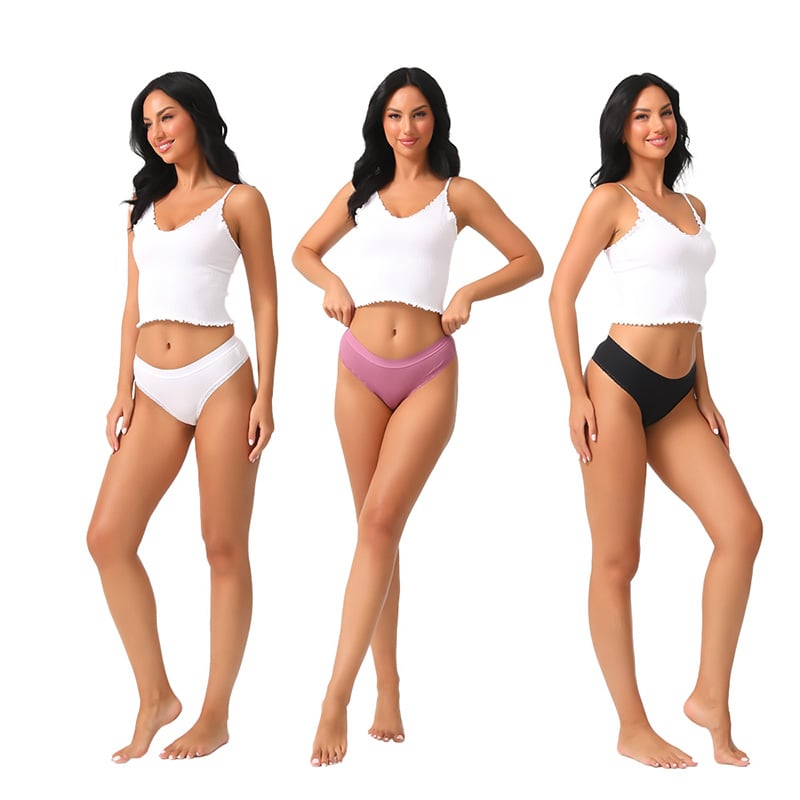
Understanding the differences between panties, thongs, and ropa interior is essential for anyone shopping for comfortable and stylish underwear. While these terms are often used interchangeably in casual conversation, each style has distinct characteristics that affect fit, comfort, and appearance. The naming conventions vary across regions and languages, which can create confusion when shopping online or abroad. Whether you prefer traditional panties, minimal thongs, or the contemporary ropa interior styles, knowing what sets them apart helps you make informed choices about your intimate apparel collection.
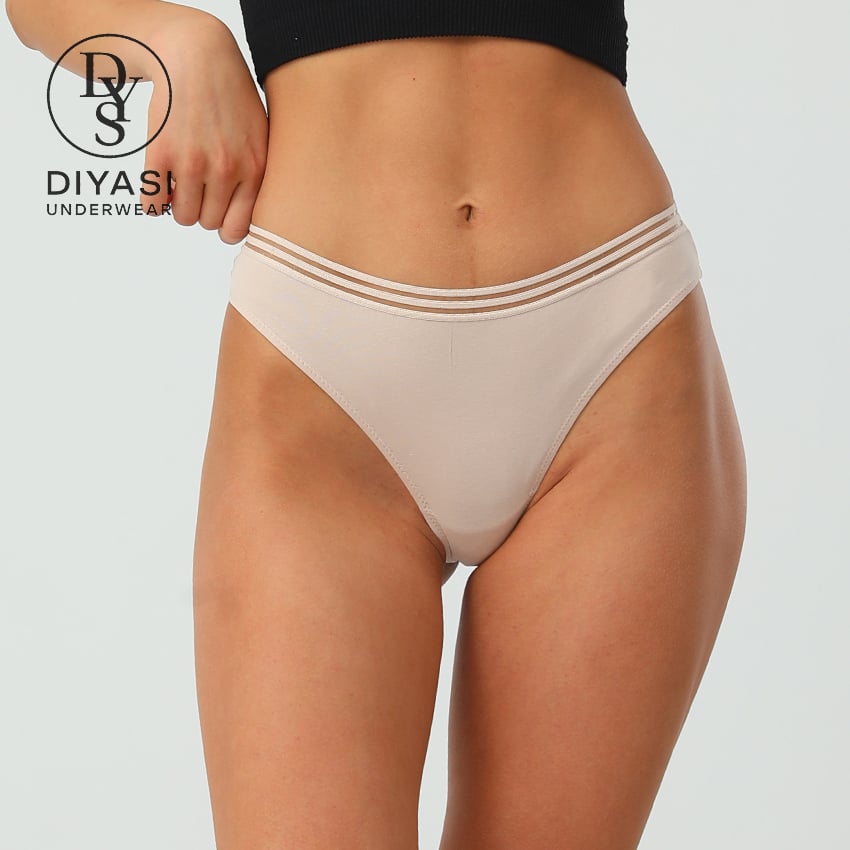
The world of women's underwear encompasses numerous styles, each with its own appeal and intended purpose. Panties remain the most commonly recognized term for women's underwear in English-speaking countries, yet the category itself includes multiple variations. Thongs represent a specific subcategory of panties designed for minimal coverage and visibility under tight clothing. Ropa interior, the Spanish term for intimate apparel, has become increasingly popular in fashion conversations, particularly when discussing contemporary European and Latin American underwear styles. Each of these terms reflects both cultural naming conventions and practical design features that influence how they function and feel when worn.
Understanding Panties and Their Core Characteristics
What Define Traditional Panties
Panties represent the broadest category of women's underwear, encompassing numerous styles that provide moderate to full coverage. Traditional panties typically extend from the waistband down over the hips and cover the entire buttocks, offering comfort and support for everyday wear. The term 'panties' originated in American English and has become the standard reference for most women's underwear styles in North America. These panties come in various cuts including briefs, boyshorts, bikinis, and hipsters, each offering different levels of coverage and fit. The versatility of panties makes them suitable for nearly any occasion, from casual daily wear to formal events, depending on the specific style and material chosen.
Comfort and Coverage in Panties Design
Comfort remains the primary concern when designing quality panties, making fabric selection and construction methods crucial factors. Panties manufactured from breathable materials like cotton, modal, or advanced synthetic blends help reduce moisture buildup and maintain skin health. The elastic waistband of well-made panties distributes pressure evenly without digging into the skin, while leg openings remain smooth and non-restrictive. Quality panties feature reinforced gussets designed to provide durability and maintain shape after repeated washing. The full coverage that panties provide offers security and peace of mind throughout the day, making them ideal for professional settings and active lifestyles. Many women prefer panties as their everyday choice precisely because the balance between coverage and comfort addresses most daily requirements effectively.
Thongs: Minimalist Design and Purpose
The Distinct Design of Thongs
Thongs represent a specialized subcategory of panties engineered for maximum invisibility under tight clothing. Unlike traditional panties, thongs feature a thin strip of fabric in the back instead of full buttocks coverage, creating the signature minimal line visible under form-fitting garments. The thong design originated from various cultural garments but became popularized in Western fashion during the 1990s as a solution for avoiding visible panty lines. Thongs maintain full coverage in the front while transitioning to a narrow strip that runs between the buttocks and connects to the front waistband. This distinctive construction makes thongs instantly recognizable and sets them apart from all other panties styles in terms of both appearance and function.
When and Why Thongs Are Chosen
Thongs serve a specific purpose: eliminating visible panty lines when wearing tight dresses, leggings, or athletic wear. Professional women often choose thongs for occasions requiring form-fitting business attire where visible panties would be inappropriate. The minimal back coverage means thongs create virtually no visible line, making them the preferred choice for seamless silhouettes. However, thongs require personal comfort preference adjustment, as the back strip design feels different from traditional panties. Some women embrace thongs as a lifestyle choice, appreciating their low-profile design, while others reserve thongs specifically for occasions when other styles create visible lines. Understanding your comfort threshold and wardrobe needs helps determine whether thongs merit a permanent place in your underwear collection alongside traditional panties.
Ropa Interior: Cultural Naming and Modern Styles
Defining Ropa Interior in Contemporary Fashion
Ropa interior, literally meaning 'interior clothing' in Spanish, refers to intimate apparel and has become increasingly common in international fashion terminology. The term encompasses all types of undergarments including panties, bras, and combined sets, though context often narrows the meaning to women's underwear specifically. Ropa interior styling often emphasizes aesthetic appeal and sophistication, reflecting contemporary European and Latin American fashion sensibilities. Many fashion designers and retailers use ropa interior as a category name when marketing upscale intimate apparel collections, particularly when targeting Spanish-speaking markets. The term conveys a sense of elegance and intentionality that distinguishes curated intimate wear from basic everyday panties, bridging cultural and linguistic gaps in the global fashion industry.
How Ropa Interior Differs from Traditional Panties
While ropa interior and panties both refer to women's underwear, the distinction often lies in design philosophy and market positioning rather than fundamental structure. Ropa interior frequently features more elaborate designs, premium materials, and fashion-forward aesthetics compared to basic panties. European ropa interior styles often incorporate decorative elements, strategic cutouts, or innovative fabric combinations that elevate them beyond functional wear. Panties, by contrast, prioritize everyday comfort and practicality, though premium panties can certainly share design sophistication with ropa interior collections. The naming convention reflects market segmentation, with ropa interior targeting consumers seeking statement pieces or special occasion wear, while panties remain the go-to term for reliable daily essentials. Understanding this distinction helps shoppers locate styles matching their specific needs and aesthetic preferences in the vast underwear marketplace.
Comparing Style Categories and Selecting the Right Fit
Key Differences in Coverage and Visibility
Coverage remains the most obvious distinguishing factor between panties, thongs, and various ropa interior styles. Traditional panties provide full rear coverage, making them visible if exposed but comfortable for everyday wear under standard clothing. Thongs offer minimal rear coverage with complete front coverage, creating nearly invisible profiles under tight garments. Ropa interior items vary widely in coverage, depending on specific style choices within the category. High-waisted ropa interior styles may provide more tummy control, while lower-rise versions offer modern silhouettes. Mid-rise panties remain the most versatile option for different body types and outfit combinations. Selecting appropriate coverage involves assessing your wardrobe, comfort preferences, and the occasions when you'll wear each style.
Material, Comfort, and Everyday Practicality
Quality matters significantly across all underwear categories, as material composition directly impacts comfort and longevity. Premium panties crafted from soft cotton or modal provide breathability and gentle skin contact essential for daily wear. Thongs and specialized ropa interior pieces often incorporate stretch fabrics like elastane to maintain shape and provide invisible support. Seam construction and elastic quality determine whether panties maintain comfort throughout extended wear periods. Higher-end ropa interior collections frequently use luxurious materials like silk or satin blends for special occasions. Understanding material benefits helps match underwear choices to specific situations, whether requiring everyday durability or occasional elegance. Testing different materials and styles reveals personal preferences that guide future underwear purchasing decisions.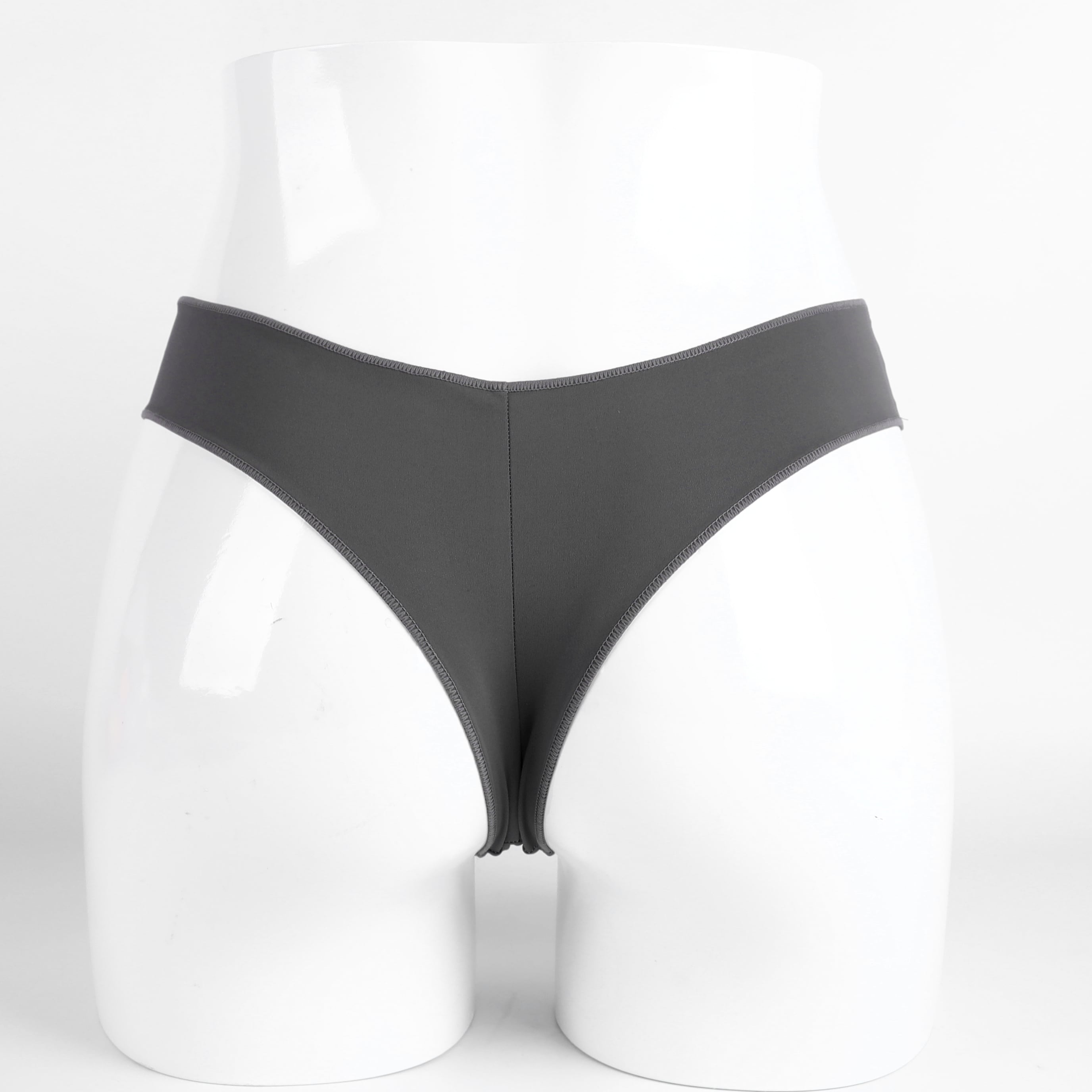
FAQ
Are panties and ropa interior the same thing?
Panties and ropa interior refer to women's underwear, but the terms carry different cultural and commercial connotations. Panties is the standard English term emphasizing comfort and everyday wear, while ropa interior is the Spanish term often applied to more upscale or fashion-focused designs. The distinction reflects market positioning and aesthetic priorities rather than fundamental structural differences. Many items marketed as ropa interior could equally be called panties, yet the naming convention signals quality level and design sophistication to consumers.
What makes thongs different from regular panties?
Thongs differ from traditional panties primarily in rear coverage design, featuring a thin strip instead of full buttocks coverage. This minimal construction makes thongs virtually invisible under tight clothing, whereas panties create visible lines under form-fitting garments. Thongs require personal comfort adjustment and aren't suitable for all situations or wearer preferences. Many women maintain both panties and thongs in their collections, selecting based on specific outfit requirements and comfort preferences for each occasion.
How do I choose between panties, thongs, and ropa interior styles?
Selecting appropriate underwear styles depends on your wardrobe, comfort preferences, and intended wear occasions. Choose traditional panties for everyday comfort and professional settings where full coverage and reliability matter most. Select thongs specifically for tight-fitting outfits where visible panty lines would be problematic. Consider ropa interior options when seeking special occasion wear or premium quality pieces that combine functionality with aesthetic appeal. Most women benefit from maintaining variety in their collection, allowing appropriate style selection for each specific situation.