


 EN
EN



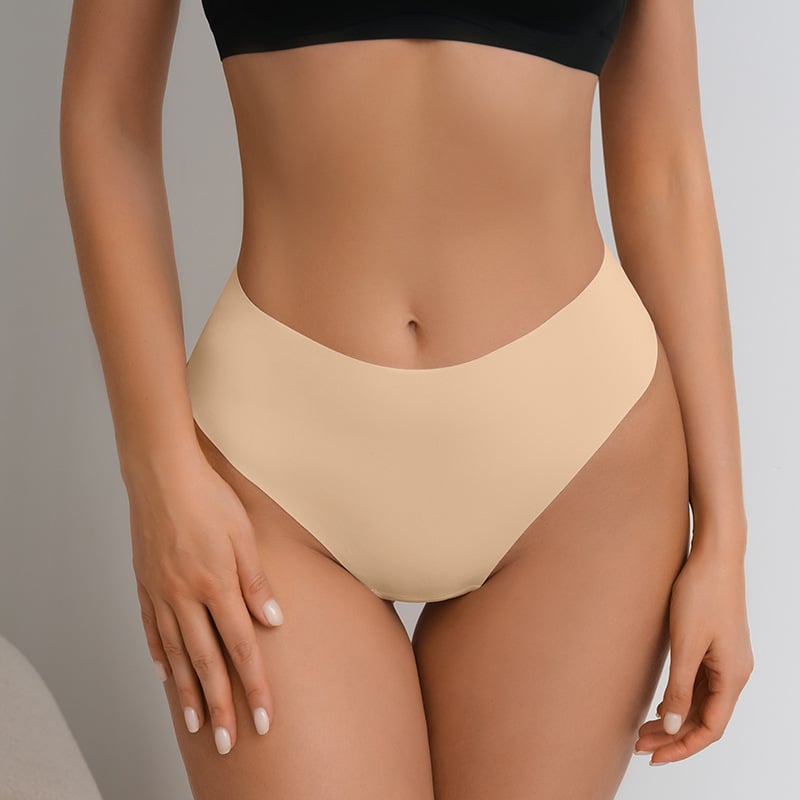
Ropa interior, a Spanish term meaning 'inner clothing' or 'underwear,' represents a critical segment in the global fashion and textile industry that extends far beyond simple translation. For international underwear brands seeking to establish or expand their presence in Spanish-speaking markets, understanding ropa interior and its cultural, commercial, and operational significance is essential. The term ropa interior encompasses everything from basic cotton briefs to premium lingerie collections, and it reflects distinct consumer preferences, quality standards, and market dynamics that vary significantly across regions. Brands entering or already competing in the ropa interior sector must recognize that this market segment combines functional necessity with fashion aspirations, making ropa interior a uniquely demanding category requiring both innovation and cultural sensitivity.
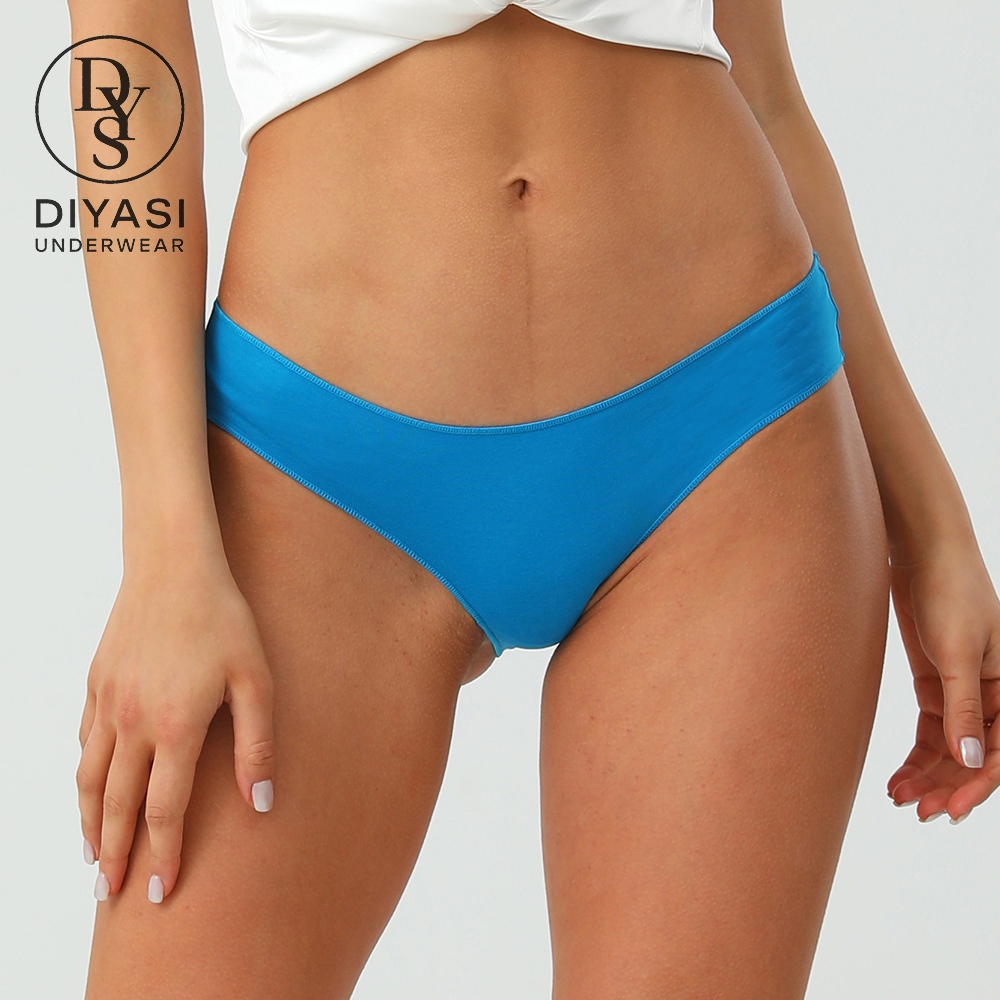
Understanding ropa interior as a market category means recognizing that it bridges functionality, comfort, and personal expression in ways that differ from other clothing segments. Consumers shopping for ropa interior prioritize comfort, durability, and fit, yet they also seek designs that align with personal style and body confidence. The ropa interior market has experienced substantial growth, driven by increasing disposable incomes in Latin America, changing attitudes toward intimate apparel, and the rise of e-commerce channels that make ropa interior more accessible to diverse customer bases. Global brands recognize that ropa interior represents both a high-volume commodity market and a premium positioning opportunity, depending on their target segment and regional strategy.
Market Definition and Global Scope of Ropa Interior
What Ropa Interior Represents in the Global Fashion Landscape
Ropa interior, in its broadest sense, includes all undergarments and intimate apparel sold in Spanish-speaking regions and increasingly across international markets adopting Spanish retail terminology. The ropa interior category encompasses bras, panties, boxers, briefs, thermal underwear, and shapewear designed for men, women, and children. For global underwear brands, ropa interior serves as the primary keyword and category descriptor in major Spanish-speaking markets, including Mexico, Argentina, Colombia, Spain, and Central America. Retailers and distributors classify products as ropa interior to signal quality standards, size ranges, and price positioning that resonate with Hispanic consumers. The ropa interior segment accounts for significant retail floor space, online shelf space, and marketing investment because it combines recurring purchase frequency with emotional and functional importance.
Consumer Demographics and Purchasing Behavior in Ropa Interior
The typical ropa interior consumer values both practical performance and aesthetic appeal, creating opportunities for differentiation within the segment. Women represent the largest purchasing group for ropa interior, accounting for the majority of retail volume, though male-focused ropa interior products continue expanding as fashion-forward attitudes toward intimate apparel evolve. Ropa interior buyers increasingly research products before purchasing, comparing comfort features, fabric composition, sustainability credentials, and brand reputation. Price sensitivity in the ropa interior market varies by income level and geography; budget-conscious consumers seek durable basics, while affluent shoppers invest in premium ropa interior featuring advanced fabrics, superior fit, and luxury branding. Digital channels have transformed ropa interior shopping, allowing consumers to browse private collections, read reviews, and access size-fitting guidance without in-store embarrassment, fundamentally changing how global brands approach the ropa interior market.
Strategic Importance of Ropa Interior for Global Brands
Market Growth and Revenue Potential in Ropa Interior
Global underwear brands recognize ropa interior as a high-potential category with consistent demand and recurring purchase cycles that generate reliable revenue streams. The ropa interior market in Latin America has grown approximately eight to twelve percent annually over the past five years, driven by urbanization, middle-class expansion, and changing consumer attitudes toward intimate apparel quality. Brands investing in ropa interior collections benefit from higher margins compared to basic commodity underwear, particularly when they develop proprietary fabrics, innovative sizing systems, or distinctive design aesthetics. Ropa interior represents an entry point for international brands seeking to establish market presence without requiring the massive investment needed for full fashion collections. Additionally, ropa interior brands that build consumer loyalty generate opportunities for cross-selling shapewear, loungewear, and adjacent categories that share similar customer bases and distribution channels.
Cultural Nuances and Regional Adaptation in Ropa Interior
Success in the ropa interior market demands cultural intelligence and regional customization that generic global strategies cannot deliver. Latin American consumers purchasing ropa interior prefer fit profiles, color palettes, and design details that reflect their preferences and body diversity, distinguishing them from North American or European ropa interior consumers. Brands that treat ropa interior as a standard product category without regional adaptation fail to capture market share from competitors who invest in understanding local sizing standards, fabric preferences, and marketing messaging that resonate. Ropa interior advertising in Spanish-speaking markets emphasizes confidence, sensuality, and personal empowerment rather than purely functional benefits, requiring creative approaches and messaging that align with regional cultural values. Successful global underwear brands establish dedicated ropa interior product development teams that interact directly with Spanish-speaking consumer research groups, retail partners, and fashion influencers to ensure their ropa interior collections meet authentic market expectations rather than assuming one-size-fits-all design philosophies.
Operational Challenges and Competitive Dynamics of Ropa Interior
Supply Chain and Manufacturing Complexity for Ropa Interior
Manufacturing ropa interior at scale requires specialized production capabilities, quality control standards, and supply chain flexibility that distinguish successful competitors from market entrants. The ropa interior production process involves precision fabric cutting, elastic management, seam construction, and finishing techniques that directly impact comfort and durability metrics consumers evaluate. Global brands managing ropa interior production must balance cost efficiency against quality consistency, as single defects in fit, stitching, or fabric resilience generate returns and negative reviews that damage brand reputation. Ropa interior supply chains increasingly emphasize sustainability, with consumers demanding ethical production, organic or recycled fabrics, and transparent manufacturing practices. Successful ropa interior manufacturers maintain inventory flexibility to accommodate seasonal trends, fast-fashion demand for new designs, and the extended product lifecycle that characterizes the intimate apparel category.
Competitive Landscape and Market Positioning Within Ropa Interior
The ropa interior competitive environment includes multinational corporations with established distribution networks, regional specialists with deep cultural knowledge, and direct-to-consumer brands leveraging digital channels to bypass traditional retail intermediaries. Competing in the ropa interior market requires differentiation through branding, innovation, or operational excellence; commoditized ropa interior competes primarily on price, eroding margins and market sustainability. ropa interior brands that emphasize sustainability credentials, inclusive sizing, adaptive designs for diverse body types, or culturally relevant aesthetics develop defensible competitive positions. The ropa interior market increasingly rewards brands that engage authentic influencers, create community spaces for consumer connection, and offer personalized services like custom sizing or design consultation. Market consolidation in ropa interior continues as larger corporations acquire specialized regional brands, suggesting that independent players must either develop exceptional brand loyalty or risk acquisition or elimination.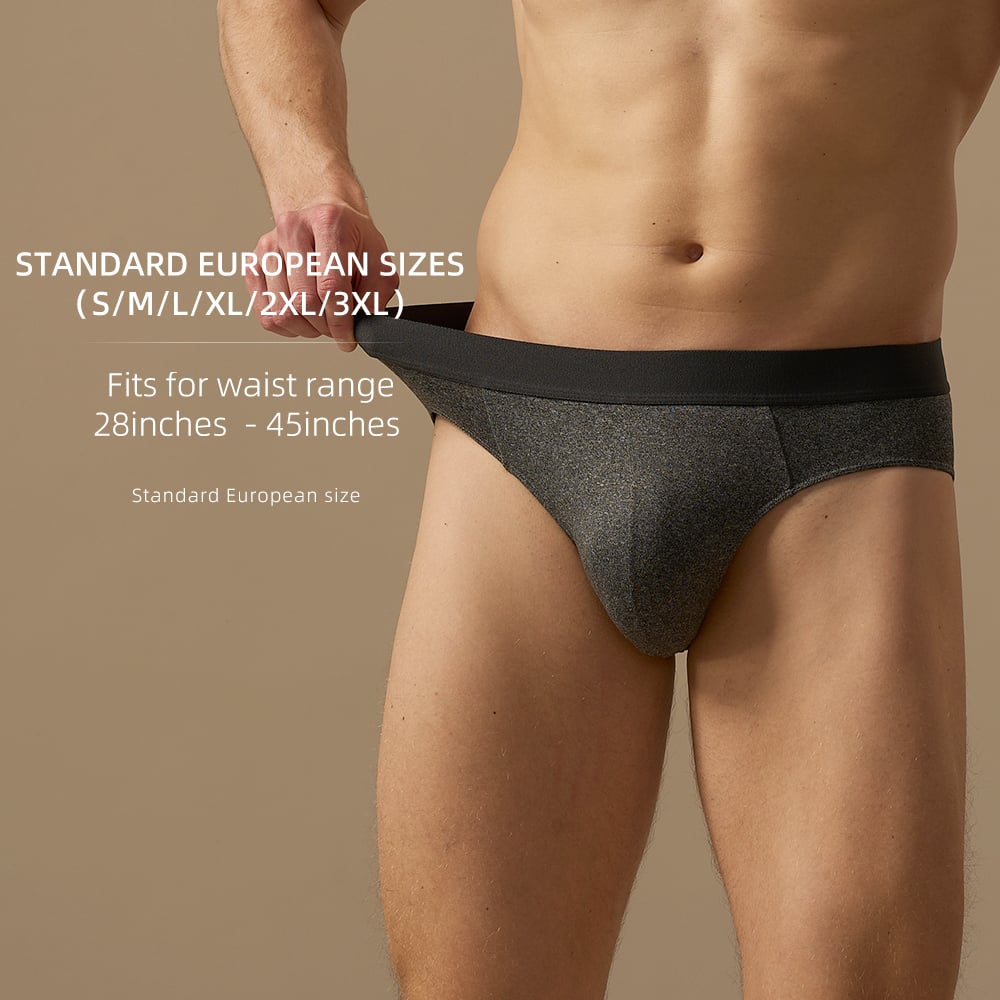
FAQ
What exactly does the term ropa interior include in the global market?
Ropa interior translates literally to 'inner clothing' and encompasses all undergarment categories including bras, panties, boxers, briefs, shapewear, thermal underwear, and specialized intimate apparel for both men and women. In global markets, the term ropa interior specifically identifies products marketed in Spanish-speaking regions or international retailers adopting Spanish terminology for inventory and category management. The breadth of ropa interior means brands can position products across budget, mid-market, and premium segments within the single category, accommodating diverse consumer income levels and fashion preferences. Understanding ropa interior inclusivity helps global brands recognize the diversity of products and consumer needs within what appears as a single merchandise category.
Why is ropa interior becoming increasingly important for global underwear brands?
Ropa interior represents the primary growth market for intimate apparel in Latin America and Spanish-speaking regions experiencing rising middle-class incomes and increasing consumer spending on personal care and fashion items. Digital commerce has expanded ropa interior accessibility and market transparency, allowing global brands to reach consumers previously limited to local retailers and informal markets. The ropa interior market demonstrates strong recurring purchase patterns, as consumers replace underwear regularly due to wear, style preferences, and comfort requirements, creating stable revenue streams that support long-term business planning. Additionally, brands establishing strong ropa interior market positions create platforms for expanding into adjacent categories like loungewear, shapewear, and swimwear, maximizing lifetime customer value and market penetration.
What challenges should brands anticipate when entering the ropa interior market?
Global brands entering the ropa interior market must overcome sizing standardization challenges, as consumer preferences for fit vary significantly across regions and body type diversity remains underserved by standardized approaches. Ropa interior manufacturing requires precision quality control and technical expertise to meet consumer expectations for comfort, durability, and aesthetic appeal that directly influence repeat purchasing decisions. Cultural adaptation remains critical in the ropa interior market, as marketing messaging, design aesthetics, and pricing strategies that work in one region often fail to resonate in different markets with distinct consumer values and fashion sensibilities. Competition in ropa interior involves both established multinational corporations and specialized regional players with deep market knowledge, requiring new entrants to develop differentiation strategies beyond simple cost competition.