
 EN
EN


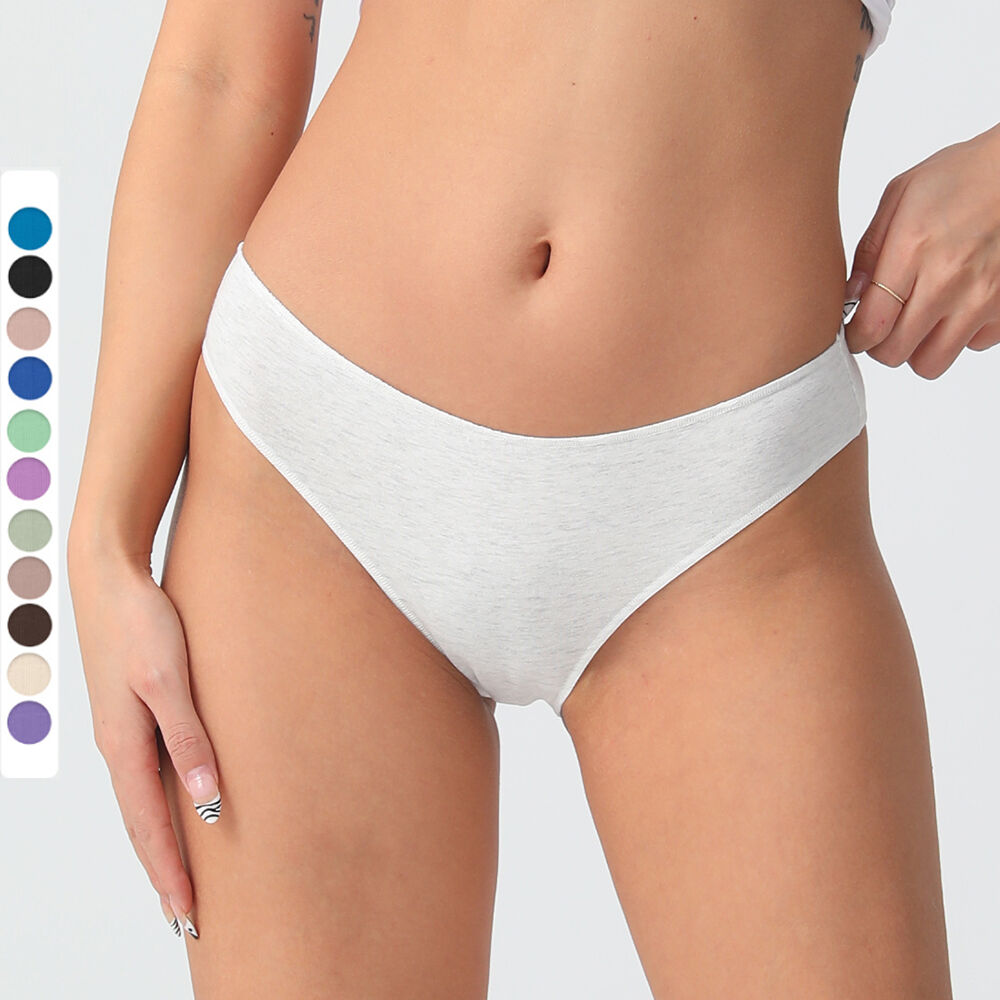
When shopping for intimate apparel, understanding the distinctions between different underwear styles can significantly impact both comfort and confidence. The choice between tanga and thongs represents more than just a preference for coverage—it reflects considerations of fabric distribution, body type compatibility, and intended use scenarios that affect daily comfort and garment fit under various clothing styles.
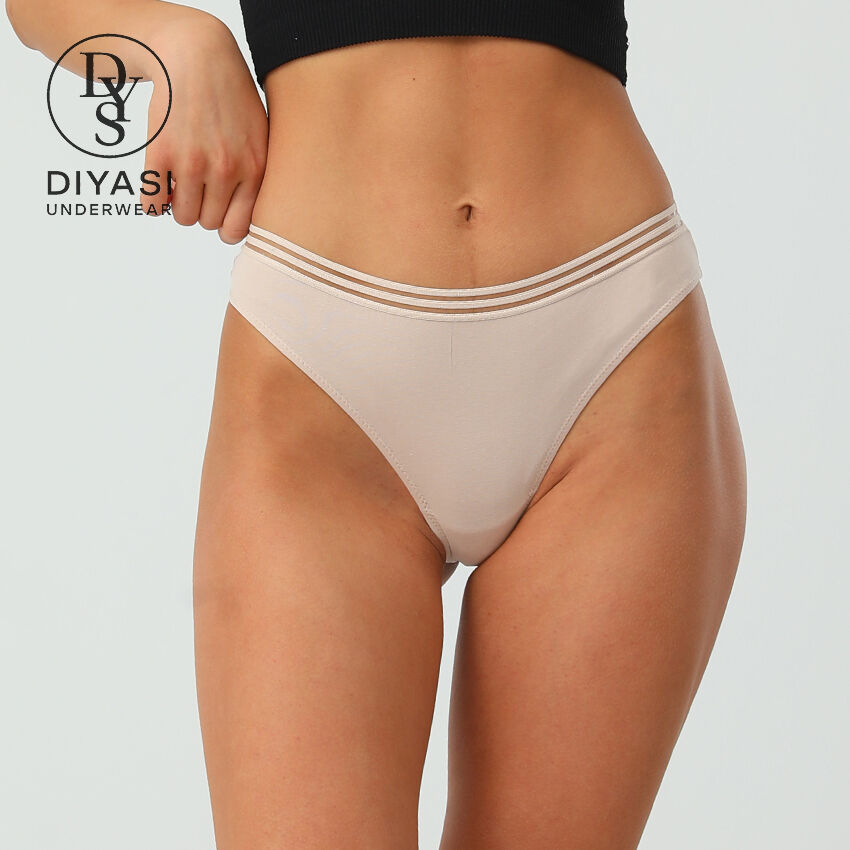
Both tanga and thongs serve the fundamental purpose of providing minimal panty lines while maintaining feminine aesthetics, yet their construction differences create distinct wearing experiences. The coverage variations, waistband positioning, and fabric allocation patterns between these two styles determine their suitability for different body shapes, clothing types, and personal comfort preferences that modern women encounter in their daily wardrobes.
Coverage and Construction Differences
Back Coverage Variations
The most apparent distinction between tanga and thongs lies in their rear coverage design. Tanga underwear provides moderate back coverage through a triangular fabric panel that covers approximately one-third to one-half of the buttocks area. This construction creates a balanced approach between full coverage briefs and minimal coverage options, offering a compromise that many women find comfortable for extended wear periods.
Thongs, conversely, feature minimal back coverage with a narrow fabric strip that runs between the buttocks, connecting the front panel to a thin waistband. This design eliminates virtually all rear fabric coverage, making tanga, thongs ideal for tight-fitting clothing where any visible panty lines would compromise the garment's silhouette. The string-like construction requires specific fabric choices and reinforcement techniques to ensure durability during regular wear and washing cycles.
The coverage difference extends beyond aesthetics to practical considerations including fabric breathability, moisture management, and support distribution across different body areas. Tanga styles maintain more contact surface area, which can provide better stability during movement, while thongs concentrate all structural support in the waistband and front panel areas.
Front Panel Design
Front panel construction varies significantly between tanga and thongs in terms of size, shape, and positioning. Tanga underwear typically features a wider front panel that provides more comprehensive coverage of the pubic area, often extending slightly higher on the hips for enhanced security and comfort. This broader front design distributes pressure more evenly across the lower abdomen and hip bones.
Thong front panels tend to be more compact and streamlined, designed to minimize bulk while maintaining essential coverage. The reduced front fabric area in thongs requires careful attention to sizing and fit, as the smaller surface area must accommodate the same range of body movements and positions without causing discomfort or shifting during wear.
Both tanga and thongs incorporate various fabric technologies and construction methods in their front panels, including seamless edges, laser-cut materials, and stretch-enhanced textiles that conform to individual body contours while maintaining their shape through multiple wear cycles.
Comfort and Fit Considerations
Daily Wear Comfort Factors
Comfort levels between tanga and thongs vary significantly based on individual body characteristics, activity levels, and personal sensitivity to fabric contact. Tanga underwear generally provides superior comfort for extended wear periods due to its broader fabric distribution and reduced pressure concentration points. The additional coverage helps prevent chafing and irritation that can occur during prolonged sitting, walking, or physical activity.
Thongs require an adjustment period for many wearers due to the unfamiliar sensation of the back string placement. However, properly fitted thongs can become virtually unnoticeable during wear, as the minimal fabric reduces potential bunching, twisting, or riding up that can occur with styles featuring more fabric coverage. The key to thong comfort lies in accurate sizing and quality construction materials.
Material selection plays a crucial role in comfort levels for both tanga and thongs. Soft, breathable fabrics like modal, bamboo fiber, or high-quality cotton blends enhance comfort significantly, while synthetic materials may cause increased moisture retention or skin irritation in sensitive individuals.
Size and Fit Precision
Proper sizing becomes more critical with minimal coverage styles, making fit precision essential for both tanga and thongs. Tanga underwear offers slightly more forgiveness in sizing due to the additional fabric coverage, which can accommodate minor size variations without compromising comfort or appearance. The broader waistband and back panel provide multiple contact points that help maintain position during wear.
Thongs demand exceptional sizing accuracy, as the minimal fabric must precisely conform to individual body measurements. An incorrectly sized thong can cause discomfort through excessive tightness or inadequate support, making careful measurement and brand-specific sizing chart consultation essential for optimal results.
Both styles benefit from stretch fabrics and elasticated edges that accommodate natural body movement and size fluctuations throughout the day. Quality construction includes reinforced stress points and durable elastic materials that maintain their shape and support properties through regular washing and wear cycles.
Style Versatility and Clothing Compatibility
Garment Coordination Options
The choice between tanga and thongs often depends on the specific outer garments being worn and the desired silhouette outcome. Tanga underwear works exceptionally well with moderately fitted clothing, including tailored pants, A-line skirts, and dresses where minimal panty lines are desired but complete invisibility is not essential. The moderate coverage provides confidence and security while still creating a smooth appearance under most garments.
Thongs excel in situations requiring absolute line elimination, such as under bodycon dresses, tight yoga pants, formal evening wear, or any garment where fabric clings closely to the body's contours. The minimal construction ensures no visible lines or texture transfer through thin or stretchy fabrics, making them indispensable for certain wardrobe choices.
Fabric texture and weight considerations also influence the compatibility between tanga, thongs and various clothing types. Seamless construction and smooth fabric surfaces enhance the versatility of both styles, allowing them to work effectively under a broader range of outer garments without creating unwanted texture or bulk.
Seasonal and Activity Adaptations
Seasonal clothing changes often influence the preference between tanga and thongs based on fabric weights, layering requirements, and activity levels. During warmer months, when lighter fabrics and form-fitting clothing dominate wardrobes, thongs provide optimal invisibility under summer dresses, lightweight pants, and activewear that requires complete freedom from panty lines.
Cooler weather clothing typically allows for more underwear coverage options, making tanga styles increasingly practical due to their additional warmth and coverage benefits. The extra fabric coverage can provide psychological comfort during colder months while still maintaining the sleek appearance required under fitted sweaters, tailored coats, and structured garments.
Activity-specific considerations also play a role in style selection, with certain physical activities better suited to one style over another based on movement patterns, duration, and intensity levels that affect comfort and performance during wear.
Material and Construction Quality
Fabric Technology Differences
Modern tanga and thongs incorporate advanced fabric technologies that enhance performance, durability, and comfort beyond traditional cotton constructions. Moisture-wicking synthetic blends, antimicrobial treatments, and four-way stretch materials have revolutionized the functionality of both styles, making them suitable for active lifestyles and extended wear periods.
Tanga underwear benefits from fabric technologies that enhance the larger surface area coverage, including temperature-regulating fibers, seamless construction techniques, and graduated compression zones that provide targeted support while maintaining comfort. The additional fabric area allows for more sophisticated construction methods and material combinations.
Thongs require specialized fabric selection due to the structural demands of minimal coverage design. High-stretch materials, reinforced stress points, and ultra-soft textures become essential for maintaining comfort and durability in styles where every inch of fabric must perform multiple functions while remaining virtually imperceptible during wear.
Durability and Maintenance Requirements
Longevity differences between tanga and thongs often relate to the stress distribution and washing requirements specific to each construction style. Tanga underwear typically demonstrates superior durability due to the broader fabric distribution that reduces stress concentration on individual seams or elastic components during wear and cleaning cycles.
Thongs face unique durability challenges due to their minimal construction, which places higher stress on fewer structural elements. Quality thongs incorporate reinforced connection points, premium elastic materials, and careful seam placement to ensure longevity despite the increased stress per fabric inch that occurs during regular use.
Proper care techniques become essential for maintaining the shape, elasticity, and appearance of both tanga and thongs. Gentle washing cycles, appropriate drying methods, and careful storage help preserve the structural integrity and performance characteristics that determine long-term satisfaction with either style choice.
FAQ
Which style provides better comfort for all-day wear?
Tanga underwear generally offers superior all-day comfort due to its broader fabric coverage and pressure distribution. The additional back coverage reduces the likelihood of chafing or discomfort during extended wear periods, making it more suitable for long workdays or extended activities. However, individual comfort preferences vary significantly, and some people find properly fitted thongs equally comfortable once they adjust to the different sensation.
Can both styles work under tight-fitting clothes?
Both tanga and thongs can work under fitted clothing, but thongs provide superior invisibility under very tight garments. Tanga styles work well under moderately fitted clothes while offering more coverage and security, but may create subtle lines under extremely tight fabrics. The choice depends on the specific garment thickness, stretch properties, and desired level of line elimination.
Are there specific body types that work better with each style?
Both tanga and thongs can work for various body types when properly sized and fitted. Tanga styles may provide more confidence for those preferring additional coverage, while thongs can enhance the appearance of certain silhouettes under fitted clothing. The most important factors are proper sizing, quality construction, and personal comfort preferences rather than specific body type requirements.
How do I determine the right size for minimal coverage styles?
Accurate sizing requires careful measurement of waist and hip circumferences, then consulting brand-specific sizing charts since measurements can vary between manufacturers. For thongs especially, consider sizing up if between sizes to ensure comfort, as too-tight minimal coverage styles can cause significant discomfort. Many brands offer detailed fit guides and return policies that allow for size adjustments to ensure optimal comfort and performance.