
 EN
EN


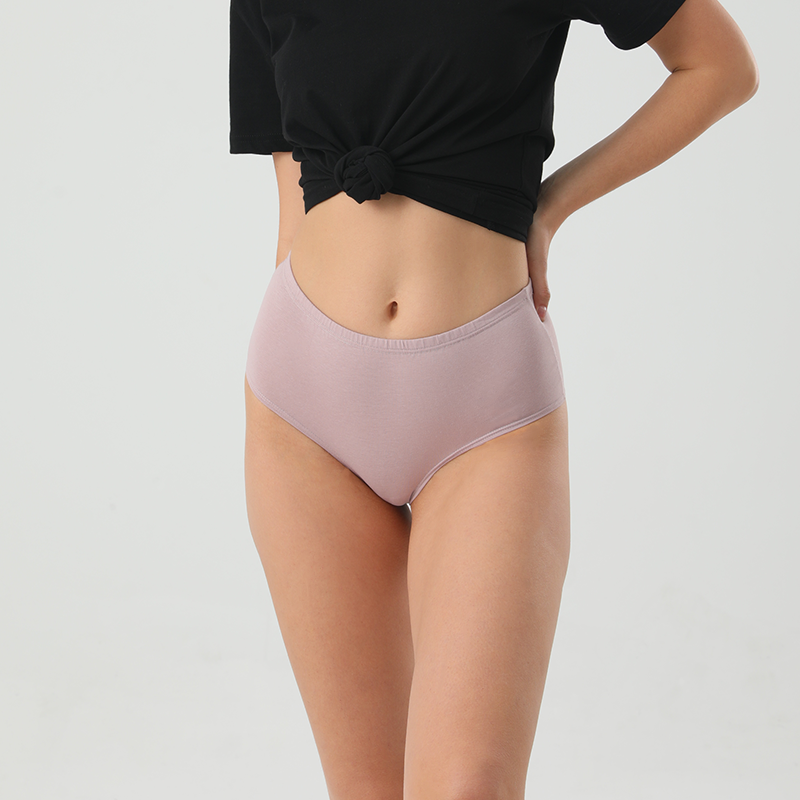
Women's brief underwear represents one of the most essential and enduring categories in intimate apparel, combining comfort, coverage, and versatility in a single garment. The modern brief has evolved significantly from its origins, incorporating advanced fabric technologies, improved construction methods, and diverse style variations to meet the changing needs of today's consumers. As the foundation of everyday dressing, a well-designed brief provides the confidence and comfort that allows women to focus on their daily activities without distraction. Market research indicates that the brief segment continues to dominate underwear sales globally, with consumers prioritizing fit quality, fabric breathability, and long-lasting durability when making purchasing decisions.
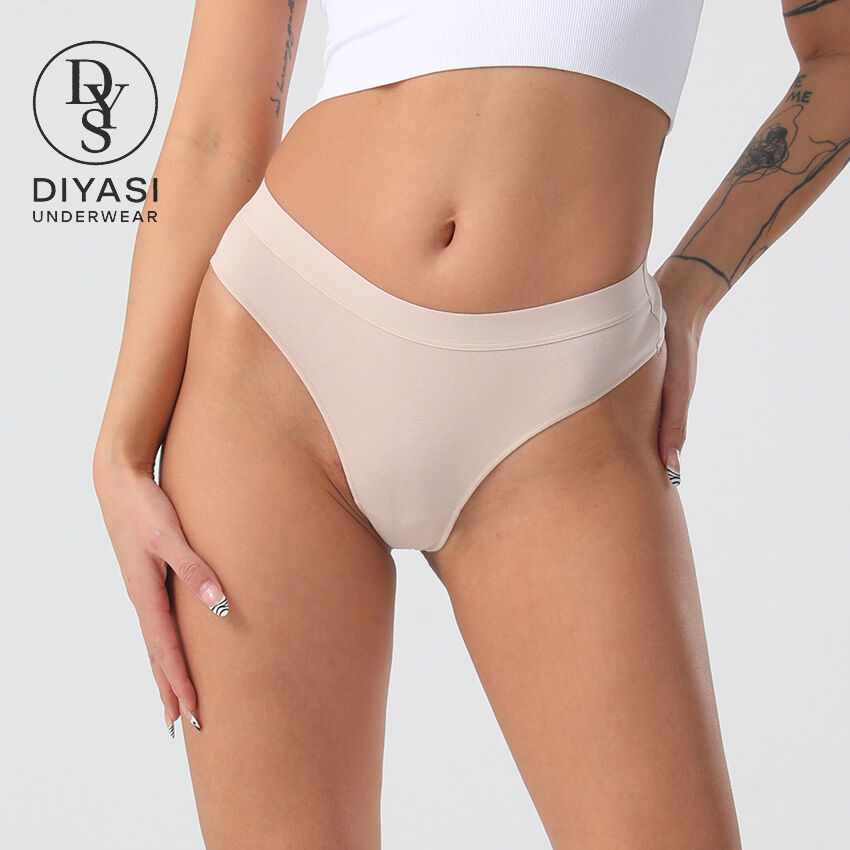
Evolution and Design Features of Modern Briefs
Historical Development of Brief Styles
The brief style emerged in the early 20th century as a practical alternative to more restrictive undergarments of the Victorian era. Originally designed with high waistlines and full coverage, the brief provided women with greater freedom of movement while maintaining modesty standards of the time. Throughout the decades, brief designs have adapted to changing fashion trends, body consciousness movements, and advances in textile manufacturing. The introduction of elastic waistbands in the 1930s revolutionized brief construction, allowing for improved fit and comfort without the need for complex fastening systems.
Contemporary brief design focuses heavily on seamless integration with outer clothing, minimizing visible lines and bulk while maximizing comfort. Modern manufacturers utilize computer-aided design systems to create precise patterns that accommodate diverse body shapes and sizes. The brief silhouette has been refined to eliminate common fit issues such as riding up, rolling waistbands, and inadequate coverage in key areas. These improvements have solidified the brief's position as a wardrobe staple for women across all age groups and lifestyle categories.
Technical Construction and Fabric Innovation
Today's brief underwear incorporates sophisticated construction techniques that enhance both durability and wearer comfort. Flat-seam technology reduces chafing and creates smooth surface transitions, while strategic fabric placement optimizes stretch and recovery characteristics. The brief construction typically features reinforced stress points at the leg openings and waistband to prevent premature wear and maintain shape integrity over multiple wash cycles. Advanced cutting methods allow manufacturers to create brief patterns that conform naturally to body contours without requiring excessive elastic tension.
Fabric selection plays a crucial role in brief performance, with manufacturers increasingly turning to moisture-wicking synthetic blends and organic cotton alternatives. These materials offer superior breathability compared to traditional cotton while maintaining the soft hand feel that consumers expect from quality brief underwear. The integration of antimicrobial treatments and odor-resistant technologies has further enhanced the brief's appeal for active lifestyles and extended wear situations. Careful attention to fabric weight and stretch properties ensures that each brief provides optimal support without creating unwanted compression or restriction.
Consumer Preferences and Market Trends
Comfort and Fit Priorities
Consumer research consistently shows that comfort ranks as the primary consideration when selecting brief underwear, followed closely by proper fit and durability. Women report that an ideal brief should provide secure coverage without creating pressure points or restricting natural movement. The waistband design receives particular attention, with consumers preferring styles that sit comfortably at the natural waist without rolling or digging into the skin. Leg opening construction also influences comfort ratings, as poorly designed openings can cause chafing or create unflattering lines under fitted clothing.
Fit preferences vary significantly among different demographic groups, with younger consumers often gravitating toward lower-rise brief styles while older demographics tend to prefer higher waistlines for enhanced coverage and support. Size consistency across different brands remains a significant concern, as brief sizing can vary dramatically between manufacturers despite using similar numerical designations. This inconsistency has led to increased demand for brands that offer detailed sizing guides and flexible return policies, allowing consumers to find their optimal brief fit through trial and adjustment.
Style Variations and Fashion Integration
The brief category has expanded to encompass numerous style variations, each designed to complement specific clothing types and personal preferences. High-waisted brief styles have experienced renewed popularity, driven by retro fashion trends and increased body positivity movements that celebrate diverse silhouettes. Mid-rise brief options provide a balance between coverage and contemporary styling, appealing to consumers who want versatility across different outfit choices. Low-rise brief designs cater to fashion-forward consumers who prefer minimal waistband visibility with low-cut jeans and fitted skirts.
Color and pattern selection has become increasingly important in the brief market, with consumers seeking options that reflect personal style preferences beyond basic neutrals. Manufacturers have responded by expanding color palettes to include seasonal trends, bold prints, and sophisticated pattern combinations that coordinate with contemporary fashion themes. The brief has evolved from a purely functional garment to an expression of personal style, with many consumers building coordinated collections that match their aesthetic preferences and lifestyle needs.
Manufacturing Standards and Quality Control
Production Process Excellence
Quality brief manufacturing requires precise attention to every stage of the production process, from initial fabric inspection through final packaging. Automated cutting systems ensure consistent pattern accuracy across large production runs, while specialized sewing equipment creates the smooth, flat seams that characterize premium brief construction. Each brief undergoes multiple quality checkpoints to verify proper sizing, seam integrity, and overall construction standards before approval for distribution. Manufacturers increasingly utilize statistical process control methods to maintain consistent quality levels and identify potential issues before they impact customer satisfaction.
Fabric preparation plays a critical role in brief quality, with pre-shrinking and stabilization processes ensuring dimensional stability throughout the garment's lifespan. Thread selection and tension calibration affect seam durability and appearance, while elastic application techniques determine waistband and leg opening performance characteristics. The brief assembly process requires skilled operators who understand how fabric behavior affects fit and comfort, particularly during the attachment of elastic components and the creation of curved seam lines that follow body contours naturally.
Testing and Certification Standards
Comprehensive testing protocols evaluate brief performance across multiple criteria including colorfastness, shrinkage resistance, and elastic recovery properties. These tests simulate real-world wearing conditions to ensure that each brief maintains its intended fit and appearance characteristics throughout normal use cycles. Fabric safety testing verifies that all materials meet appropriate standards for direct skin contact, while chemical analysis confirms the absence of harmful substances or irritating compounds. Manufacturers often exceed minimum regulatory requirements to build consumer confidence and differentiate their brief products in competitive markets.
Durability testing subjects brief samples to accelerated wear conditions, including repeated washing, stretching, and abrasion cycles that simulate extended use patterns. These evaluations help manufacturers optimize construction methods and material selections to maximize product lifespan while maintaining comfort and fit characteristics. Environmental testing ensures brief performance across various temperature and humidity conditions, while care instruction validation confirms that recommended washing and drying procedures maintain garment integrity over time.
Market Analysis and Consumer Behavior
Demographics and Purchase Patterns
The brief underwear market demonstrates consistent demand across diverse demographic segments, with purchase patterns influenced by age, lifestyle, and economic factors. Younger consumers typically purchase brief underwear more frequently, often prioritizing style variety and trend alignment over long-term durability. Middle-aged demographics tend to focus on quality construction and comfort features, with many consumers developing brand loyalty based on consistent fit and performance experiences. Older consumers often prioritize coverage, support, and ease of care when selecting brief options for their intimate apparel wardrobes.
Seasonal purchasing patterns show increased brief sales during back-to-school periods and holiday gift-giving seasons, with consumers often taking advantage of promotional pricing to refresh their underwear collections. Online purchasing has significantly impacted buying behavior, allowing consumers to research brief options thoroughly and compare features across multiple brands before making decisions. The convenience of home delivery and easy returns has encouraged experimentation with new brief styles and brands, contributing to market growth and increased competition among manufacturers.
Price Sensitivity and Value Perceptions
Consumer willingness to pay premium prices for brief underwear correlates strongly with perceived quality indicators such as fabric composition, construction details, and brand reputation. Value-conscious shoppers often focus on cost-per-wear calculations when evaluating brief options, preferring higher-priced items that offer superior durability over cheaper alternatives requiring frequent replacement. The brief market has successfully segmented into distinct price tiers, allowing consumers to select options that match their budget constraints while meeting their specific comfort and style requirements.
Private label brief offerings have gained significant market share by delivering comparable quality to national brands at lower price points, challenging traditional brand loyalties and forcing manufacturers to justify premium positioning through enhanced features or superior performance characteristics. Promotional pricing strategies, including multi-pack offerings and volume discounts, have become standard practice in the brief market as retailers compete for consumer attention in an increasingly crowded marketplace.
Future Innovations and Technology Integration
Smart Fabric Technologies
Emerging textile technologies promise to revolutionize brief design and functionality, with smart fabrics offering capabilities beyond traditional comfort and coverage benefits. Temperature-regulating brief materials utilize phase-change technology to maintain optimal skin temperature throughout varying activity levels and environmental conditions. Moisture-management systems embedded within brief fabrics provide superior wicking performance while preventing bacterial growth and odor development. These advanced materials represent the next evolution in brief technology, combining high-performance capabilities with the comfort characteristics consumers expect from quality underwear.
Antimicrobial brief treatments utilizing silver ion technology or natural botanical extracts offer enhanced hygiene benefits without compromising fabric softness or breathability. UV protection integrated into brief fabrics provides additional skin protection for consumers engaged in outdoor activities or extended sun exposure. Shape-memory materials may soon allow brief garments to automatically adjust fit characteristics based on body position or activity level, maximizing comfort across diverse wearing situations while maintaining consistent support and coverage.
Sustainable Manufacturing Initiatives
Environmental consciousness increasingly influences brief manufacturing processes, with companies investing in sustainable production methods and eco-friendly material alternatives. Organic cotton brief options have gained popularity among environmentally aware consumers, while recycled polyester blends offer performance benefits with reduced environmental impact. Water conservation initiatives in brief manufacturing facilities reduce resource consumption while maintaining quality standards, appealing to consumers who prioritize environmental responsibility in their purchasing decisions.
Circular economy principles are being integrated into brief product development, with manufacturers designing garments for easier recycling and end-of-life material recovery. Biodegradable brief options utilizing natural fibers and minimal synthetic components provide environmentally responsible alternatives for consumers seeking to minimize their ecological footprint. These sustainability initiatives reflect growing consumer awareness of environmental issues and the desire to make responsible choices even in intimate apparel categories like brief underwear.
FAQ
What factors should I consider when choosing the right brief size
Proper brief sizing depends on accurate body measurements and understanding how different brands fit compared to your usual size preferences. Measure your waist and hips at their widest points, then consult the manufacturer's specific sizing chart rather than assuming standard sizing applies across all brands. Consider the brief's intended rise level, as high-waisted styles may require different sizing than low-rise options due to their different coverage areas. Factor in fabric stretch characteristics and personal comfort preferences regarding snug versus loose fits when making your final selection.
How often should brief underwear be replaced for optimal hygiene and comfort
Quality brief underwear typically maintains its structural integrity and comfort characteristics for 6-12 months with regular wear and proper care, though replacement frequency depends on usage patterns and garment quality. Signs that indicate brief replacement needs include elastic deterioration, fabric thinning, persistent odors despite proper washing, and loss of shape retention. Rotating multiple brief options extends individual garment lifespan while ensuring consistent comfort and hygiene standards. Consider replacing brief underwear sooner if you experience skin irritation or if the garments no longer provide adequate support and coverage.
What washing and care practices best preserve brief quality and longevity
Gentle machine washing in cool water with mild detergent preserves brief fabric integrity and elastic performance, while avoiding harsh chemicals that can break down synthetic fibers or cause skin irritation. Air drying prevents heat damage that can degrade elastic components and cause shrinkage, though low-heat machine drying is acceptable for most brief materials. Separate washing prevents color bleeding and fabric damage from rougher garments, while using mesh laundry bags provides additional protection during the wash cycle. Proper storage in drawer organizers or dedicated compartments prevents stretching and maintains brief shape between wears.
Are there specific brief styles recommended for different clothing types or activities
Seamless brief styles work best under fitted clothing to minimize visible panty lines, while higher-waisted options complement high-rise jeans and skirts for smooth silhouette integration. Athletic brief designs with moisture-wicking properties and secure fit characteristics perform better during physical activities than standard cotton options. Consider brief leg opening styles when wearing shorter skirts or fitted pants, as different cuts affect both comfort and appearance under various outer garments. Special occasion brief options with decorative elements or luxurious fabrics can enhance confidence and comfort during important events while maintaining appropriate coverage and support.
Table of Contents
- Evolution and Design Features of Modern Briefs
- Consumer Preferences and Market Trends
- Manufacturing Standards and Quality Control
- Market Analysis and Consumer Behavior
- Future Innovations and Technology Integration
-
FAQ
- What factors should I consider when choosing the right brief size
- How often should brief underwear be replaced for optimal hygiene and comfort
- What washing and care practices best preserve brief quality and longevity
- Are there specific brief styles recommended for different clothing types or activities