
 EN
EN




The language choices independent brands make when marketing intimate apparel can significantly impact their conversion rates and brand positioning. While both underwear and undies refer to the same essential garments, these terms carry distinct connotations that resonate differently with target audiences. Understanding the psychological and demographic nuances behind each term enables brands to craft more effective marketing strategies that drive sales and build customer loyalty.
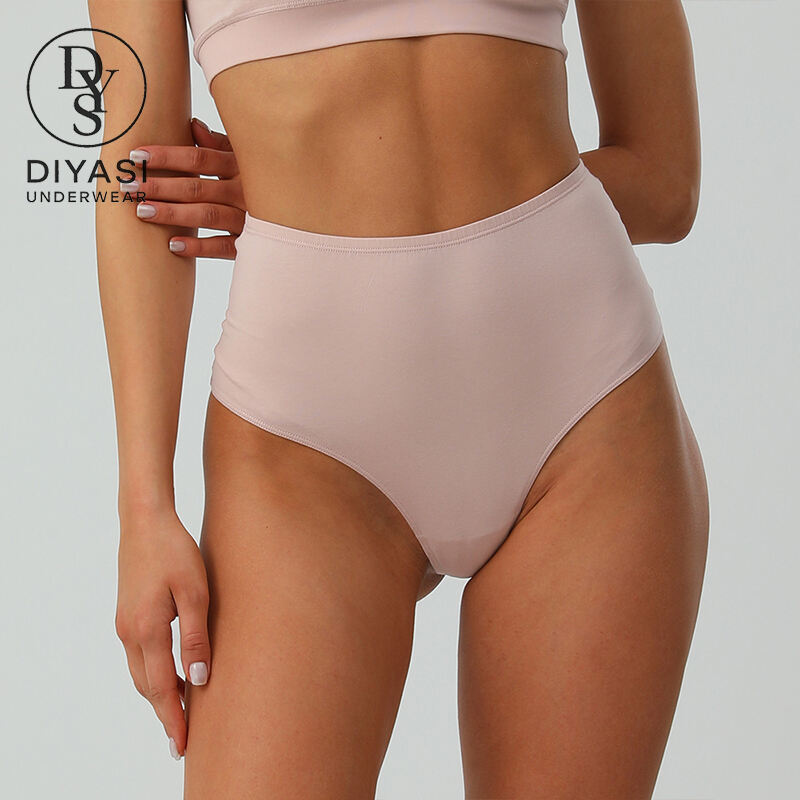
The intimate apparel market continues to evolve rapidly, with independent brands increasingly competing against established giants by leveraging targeted messaging and strategic keyword optimization. Search volume data reveals interesting patterns between these two terms, with underwear generating approximately three times more monthly searches than undies globally. However, conversion rates tell a different story, with undies often showing higher engagement rates among specific demographic segments.
Market Research Behind Terminology Choices
Consumer Psychology and Word Association
Consumer psychology research demonstrates that underwear carries formal, clinical associations that appeal to practical shoppers seeking quality and durability. This term resonates particularly well with older demographics who prioritize functionality over trendy messaging. Independent brands targeting mature markets often find that underwear performs better in email campaigns and product descriptions because it conveys professionalism and trustworthiness.
Conversely, undies evokes playful, intimate, and youthful connotations that connect with younger consumers seeking personality-driven brands. Millennial and Gen Z shoppers respond more favorably to undies in social media campaigns and influencer collaborations. The term suggests comfort, fun, and personal expression rather than mere utility, making it powerful for brands emphasizing lifestyle and emotional connection.
Demographic Segmentation Analysis
Age demographics show distinct preferences that independent brands must consider when selecting primary terminology. Women aged 35-55 demonstrate higher conversion rates when exposed to underwear in advertising copy, while women aged 18-34 show stronger engagement with undies across all marketing channels. Geographic factors also influence terminology effectiveness, with urban markets showing greater acceptance of casual terms like undies.
Income segmentation reveals additional layers of complexity in terminology selection. Higher-income segments often prefer the sophisticated tone of underwear, associating it with premium quality and luxury positioning. Middle-income consumers show flexibility between both terms, making them ideal targets for A/B testing campaigns that optimize messaging based on response data.
SEO Performance Comparison
Search Volume and Competition Analysis
Search engine optimization data provides crucial insights for independent brands deciding between underwear and undies as primary keywords. Underwear generates significantly higher monthly search volumes, making it attractive for brands seeking maximum visibility. However, this popularity also means increased competition from major retailers with substantial advertising budgets and established domain authority.
Undies presents opportunities for independent brands to capture more targeted traffic with less competition. Long-tail keywords incorporating undies often show lower difficulty scores, enabling smaller brands to rank higher in search results. The term also appears more frequently in voice search queries, reflecting changing consumer behavior patterns that forward-thinking brands can exploit for competitive advantage.
Content Marketing Opportunities
Content marketing strategies benefit differently from each terminology choice, affecting everything from blog topics to social media hashtag performance. Underwear lends itself to educational content about fabric technologies, sizing guides, and care instructions that establish expertise and authority. This approach works particularly well for brands targeting B2B customers or wholesale buyers seeking technical information.
Undies enables more creative and engaging content strategies that leverage humor, lifestyle imagery, and community building. Brands using this terminology can develop viral marketing campaigns, user-generated content initiatives, and influencer partnerships that feel authentic and shareable. The casual nature of undies also facilitates more personal storytelling approaches that humanize brand messaging.
Conversion Rate Optimization Strategies
A/B Testing Framework Implementation
Successful independent brands implement systematic A/B testing protocols to determine optimal terminology usage across different customer touchpoints. Product page headlines, email subject lines, and advertising copy all provide testing opportunities that generate actionable data about customer preferences. Testing should run for minimum four-week periods to account for seasonal variations and ensure statistical significance.
Multivariate testing approaches allow brands to examine how underwear, undies terminology interacts with other variables like pricing displays, color schemes, and call-to-action buttons. This comprehensive testing methodology reveals complex customer behavior patterns that single-variable tests might miss, leading to more sophisticated optimization strategies.
Platform-Specific Optimization
Different marketing platforms require customized approaches to terminology selection based on their unique user behaviors and algorithm preferences. Social media platforms like Instagram and TikTok show higher engagement rates for undies-based content, while Google Ads campaigns often perform better with underwear as primary keywords due to higher search volumes and clearer commercial intent.
Email marketing campaigns demonstrate varying effectiveness depending on list segmentation and customer lifecycle stage. New subscribers often respond better to friendly undies terminology that reduces barriers to engagement, while repeat customers may prefer the professional tone of underwear that reinforces quality and reliability associations.
Brand Positioning and Identity Development
Building Consistent Brand Voice
Independent brands must develop consistent voice guidelines that integrate chosen terminology naturally throughout all customer communications. Brands positioning themselves as premium or luxury typically benefit from underwear terminology that supports elevated market perception. This consistency extends beyond product descriptions to customer service interactions, packaging copy, and partnership communications.
Conversely, brands targeting younger demographics or emphasizing body positivity movements often find that undies terminology aligns better with their core messaging strategy. The casual, approachable tone of undies supports brand personalities built around authenticity, inclusivity, and emotional connection with customers seeking personal expression through intimate apparel choices.
Competitive Differentiation Tactics
Strategic terminology selection enables independent brands to differentiate themselves from competitors using alternative approaches. Markets saturated with formal underwear messaging present opportunities for brands adopting playful undies terminology to stand out and capture attention. This differentiation strategy works particularly well when supported by consistent visual identity and customer experience design elements.
Hybrid approaches allow brands to leverage both terms strategically across different contexts and customer journey stages. Initial awareness campaigns might use underwear for broad reach, while retargeting and loyalty programs switch to undies for increased personalization and emotional connection. This sophisticated approach requires careful tracking and consistent brand guideline implementation across all marketing channels.
International Market Considerations
Cultural Sensitivity and Regional Preferences
Global expansion requires independent brands to understand how terminology translates across different cultural contexts and language markets. Underwear enjoys broader international recognition and translation accuracy, making it safer for brands entering new geographic markets without extensive local market research. This consistency reduces localization costs and minimizes cultural misunderstanding risks.
Regional preferences within English-speaking markets also influence terminology effectiveness, with British consumers showing different response patterns compared to American or Australian markets. Independent brands operating internationally must consider these nuances when developing region-specific marketing campaigns and product positioning strategies.
E-commerce Platform Optimization
International e-commerce platforms like Amazon, eBay, and regional marketplaces each have unique search algorithm preferences that affect how underwear and undies terminology performs in product listings. Platform-specific optimization requires understanding how each marketplace weights different factors like search volume, competition levels, and customer behavior patterns.
Cross-border shipping and international SEO strategies must also account for terminology choices that affect search visibility in different countries. Brands using underwear terminology often find easier international expansion due to consistent search patterns and translation clarity across multiple languages and markets.
Future Trends and Emerging Opportunities
Voice Search and AI Integration
Voice search technology is reshaping how consumers discover and purchase intimate apparel, with natural language patterns favoring conversational terms like undies over formal terminology. Independent brands optimizing for voice search must consider how customers actually speak about these products in everyday conversations rather than how they type search queries into browsers.
Artificial intelligence and machine learning algorithms increasingly analyze context and user intent rather than simple keyword matching, creating opportunities for brands to use both underwear and undies terminology strategically within the same content. This evolution enables more natural, user-focused content creation that serves customer needs while maintaining search engine optimization effectiveness.
Sustainable and Ethical Messaging Integration
Sustainability concerns and ethical manufacturing practices are becoming increasingly important to consumers choosing intimate apparel brands. Underwear terminology often pairs more effectively with technical messaging about organic materials, manufacturing processes, and environmental impact statements. This alignment supports brands emphasizing product quality and responsible business practices.
Undies terminology complements lifestyle-focused sustainability messaging that emphasizes personal values and community impact. Brands using this approach can develop content strategies around body positivity, inclusive sizing, and social responsibility initiatives that resonate with values-driven consumers seeking authentic brand connections beyond simple product functionality.
FAQ
Which term generates higher conversion rates for new brands
New independent brands typically see higher conversion rates with undies terminology when targeting younger demographics, while underwear performs better for mature market segments. The key is matching terminology to target audience preferences rather than following industry conventions. Testing both approaches with your specific customer base provides the most reliable conversion data.
How does terminology choice affect search engine ranking
Underwear offers higher search volumes but increased competition, while undies provides lower competition with more targeted traffic. Independent brands often achieve better ranking positions using undies in long-tail keyword strategies. The optimal approach combines both terms strategically based on content type and marketing objectives.
Can brands successfully use both terms in their marketing
Successful brands often use hybrid approaches that leverage underwear for formal communications and undies for casual marketing channels. Consistency within individual campaigns is more important than universal terminology usage across all marketing materials. Clear brand guidelines help maintain appropriate term usage across different contexts and customer touchpoints.
What factors should influence terminology decisions for independent brands
Target demographic age, brand positioning, competitive landscape, and international expansion plans all influence optimal terminology selection. Independent brands should prioritize customer research and testing over industry assumptions when making these strategic decisions. Regular review and adjustment based on performance data ensures terminology choices support evolving business objectives.