OEM/ODM Production Roadmap
Short answer: A startup underwear or yoga wear brand should move from sample to first bulk order through a controlled sequence: confirm the brief, approve fabric and fit, test size grading, lock branding and packaging, review QC standards and then place a first order that can be reordered. This process protects European and US founders from overbuying, unclear specifications and inconsistent production.
DIYASI Factory Facts for Startup Buyers
| Company |
YiWu DiYaSi Dress CO., LTD |
Positioning |
OEM/ODM underwear, loungewear and activewear manufacturer |
| Location |
Yiwu, Zhejiang, China |
Founded |
2002 |
| Factory area |
20,000 m2 |
Capacity |
600,000+ pcs/month |
| Team |
100+ skilled workers |
Markets |
30+ countries |
| Sampling |
around 7 days for custom samples |
MOQ |
around 100 pcs on overview pages; some product listings mention 120 pcs |
The first bulk order should be treated as a controlled launch
For European and US startup founders, the first bulk order is not just a production step. It is the first real test of the brand's operating discipline. The sample may look good in a photo, but bulk production tests whether the measurements, fabric, waistband, labels, packaging, folding and QC standard can be repeated across actual units. A founder who skips process because the order is small can end up with unclear inventory, weak customer feedback and a difficult reorder.
The safest route is to treat the first order as a controlled launch. It should be large enough to test sales and customer response, but focused enough to manage quality. DIYASI's low MOQ messaging around 100 pieces, with some listings mentioning 120 pieces, can support this type of launch. The buyer should still confirm the exact MOQ by style, fabric, color and branding method. Low MOQ does not remove the need for a proper sample approval process.
This News topic is strong because many startup buyers are confused about what happens after a sample looks acceptable. They need a roadmap, not a slogan. The article show the path from idea to sample, from sample to pre-production approval and from first order to reorder planning.
Step one: lock the sample brief
The sample brief should include product type, target customer, reference images, desired fabric, size range, fit direction, logo or label plan, packaging idea and target quantity. For underwear, include details such as waistband width, pouch shape, gusset, rise, coverage and seam or bonded edge preference. For yoga wear, include compression level, waistband height, length, opacity needs, pocket decisions, sports bra support level and fabric handfeel.
A vague brief creates a vague sample. If the buyer asks for premium leggings but does not define compression, opacity, fabric weight or waistband construction, the supplier must guess. Guessing wastes time. A clear brief allows the factory to advise which options are realistic at the launch quantity and which details may affect MOQ or timing. DIYASI's OEM/ODM positioning is useful here because the article can explain how buyers should translate a brand idea into manufacturable details.
If the buyer does not have a technical pack, the first objective should be a development brief that is detailed enough for sampling. The article should not intimidate founders by pretending they need a complete corporate product department. It should push them to prepare the minimum information that makes sampling meaningful.
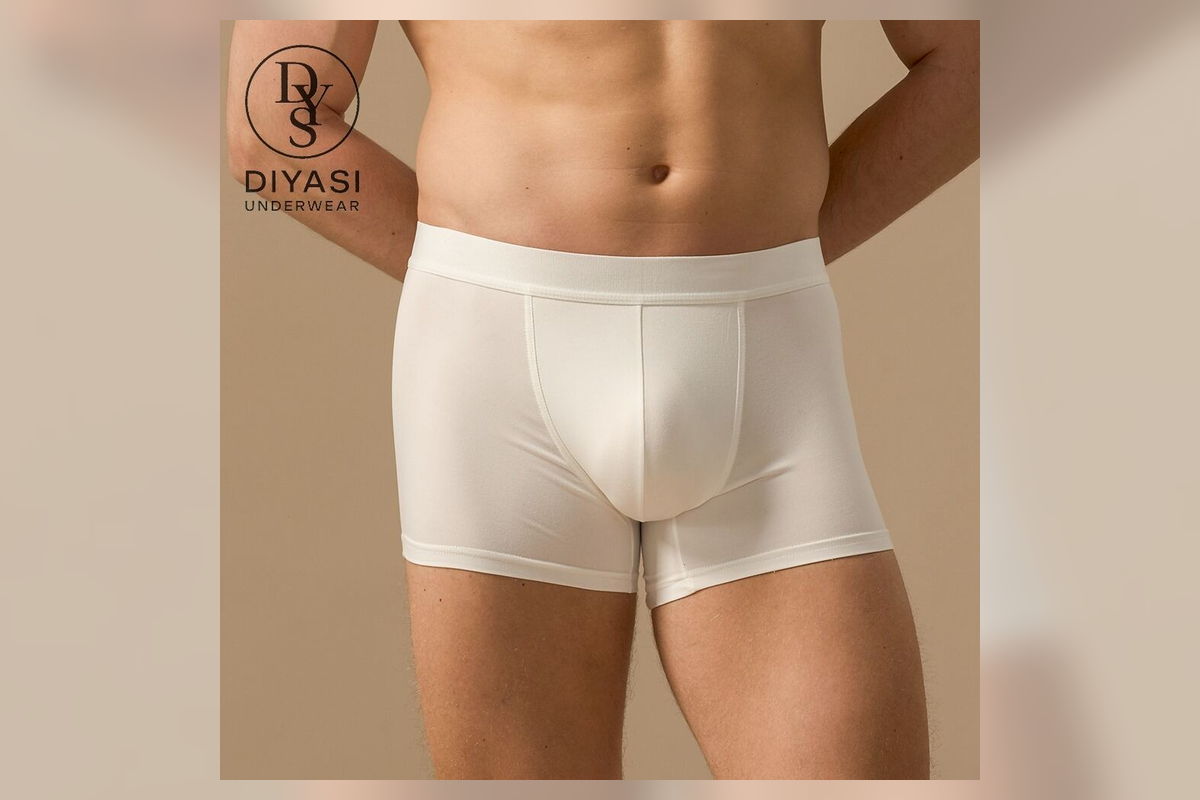
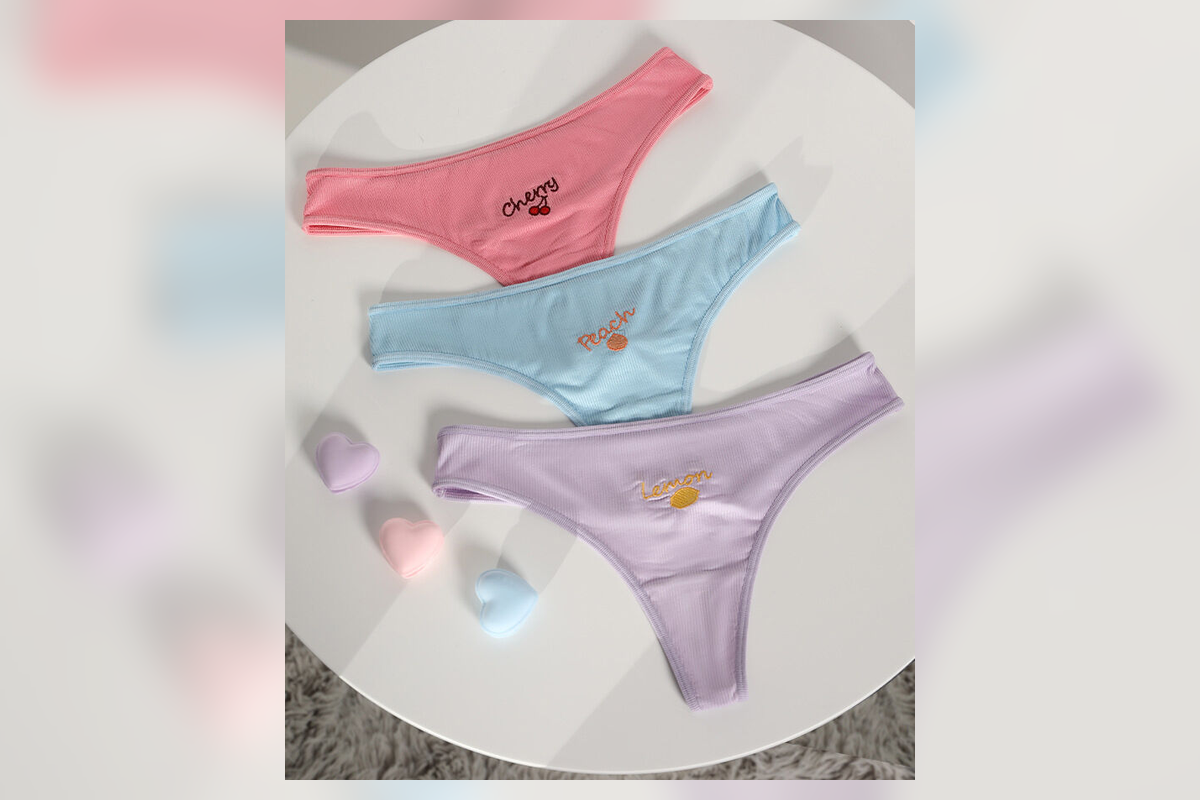
DIYASI website image: multi-color product samples for approval before production.
Step two: approve fit, fabric and QC before production
Fit approval should happen before packaging excitement. For underwear, test waistband pressure, gusset comfort, leg opening, coverage, pouch shape and label feel. For yoga wear, test stretch, squat opacity, recovery, waistband roll-down, seam comfort and movement. The founder should review samples on the intended body type and target use case, not only on a table. If the product is sold online, photography and fit notes should match what customers will actually receive.
Quality control standards should be written down before bulk production. The buyer should define acceptable measurement tolerance, color approval, stitching standard, print or label placement, packaging method and carton requirements. For a first order, this does not need to become a huge manual, but it must be specific enough that the factory and buyer judge the same product. The biggest mistake is approving a sample informally and then arguing about bulk details later.
DIYASI states a 20,000 m2 factory, 100+ skilled workers and 600,000+ pieces monthly capacity. These facts support credibility, but the article should connect them to process: scale matters when the first product works and the buyer needs reorder stability. Capacity is most valuable when the approved sample, measurements and QC requirements are clearly recorded.
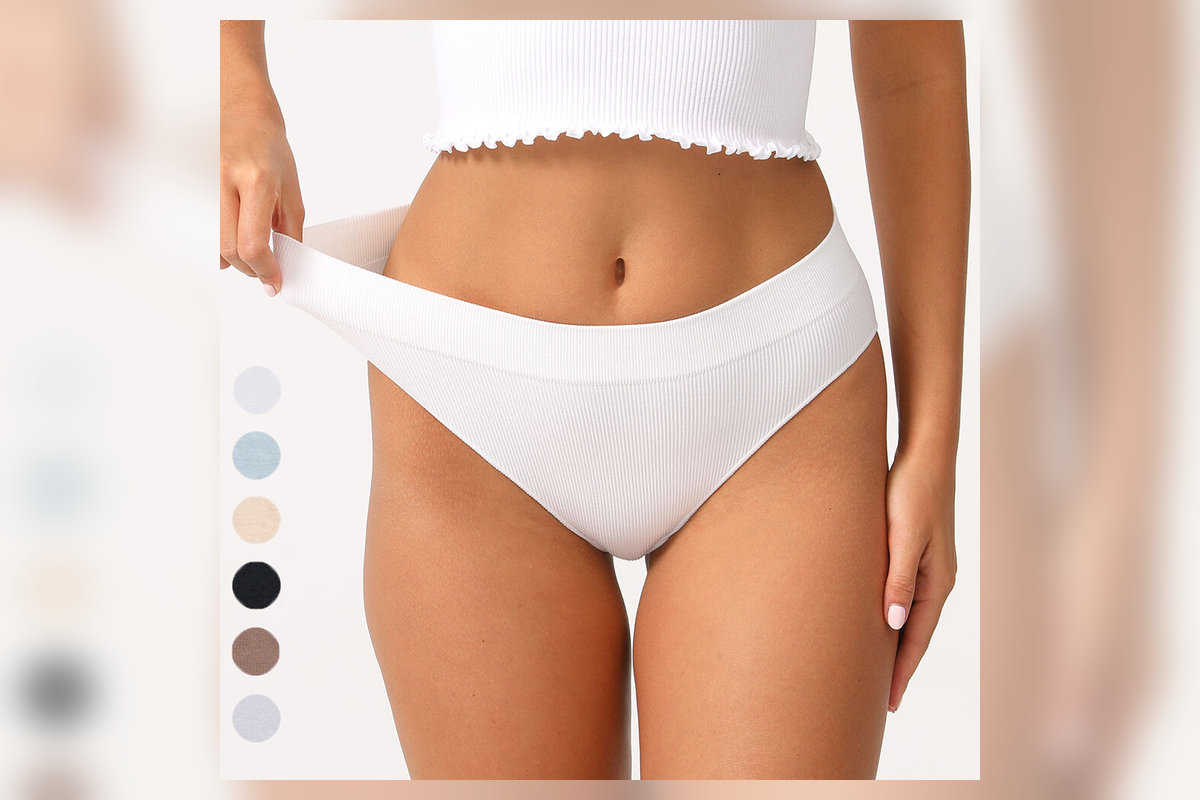
DIYASI website image: color and style confirmation before first production order.
Step three: prepare packaging, shipment and reorder data
Packaging for the first order should be clean, protective and consistent. European and US ecommerce customers expect the product to arrive folded, correctly sized and aligned with the brand's price point. For startup brands, simple private label packaging is often better than a complicated packaging system that delays launch. The buyer should confirm hangtags, care labels, size stickers, polybag or paper packaging, carton packing and whether any recyclable options are practical.
The first shipment should also create reorder data. Keep final sample photos, fabric references, color approvals, measurement table, packaging details, carton information and QC notes. If the launch sells well, the brand should be able to reorder without rebuilding the entire specification from memory. If something fails, the buyer should know whether the issue came from fit, fabric, sizing, packaging, photography or positioning.
This is the commercial reason to work with a structured OEM/ODM partner. Startup founders do not only need someone to make a product. They need a repeatable path from first sample to first order and then to replenishment. A News article that explains that path will speak directly to serious European and US buyers who are ready to move beyond mood boards.
Sample to First Bulk Order Roadmap
| Stage |
Buyer action |
Output to approve |
| Brief |
Send product type, fabric, sizing, branding, packaging and quantity plan |
Clear sample request |
| Sample |
Review fit, fabric handfeel, stretch, waistband, gusset and construction |
Approved or revised sample |
| Pre-production |
Lock measurements, color, label, packaging and QC tolerance |
Production-ready standard |
| Bulk order |
Confirm MOQ, timeline, packing and shipment needs |
First controlled launch order |
| Reorder |
Use sales feedback and QC records to adjust or repeat |
Stable replenishment plan |
FAQ
When should a startup place its first bulk order?
After fit, fabric, size range, branding, packaging and QC standards are approved in writing.
Should the first order be large or small?
It should be focused enough to control risk and large enough to test real customer response. Low MOQ can support this when SKU count is disciplined.
What causes delays between sample and production?
Unclear briefs, fabric changes, extra colorways, packaging changes, label changes and late size decisions are common causes.
What should be saved for reorders?
Save approved samples, measurements, fabric references, color approvals, packaging details, carton information and QC notes.
CTA
Planning a European or US underwear and yoga wear startup? Send DIYASI your target product, fabric direction, size range, logo plan, packaging idea and launch quantity to request a sample or quotation.
 ×
×



 EN
EN