


 EN
EN


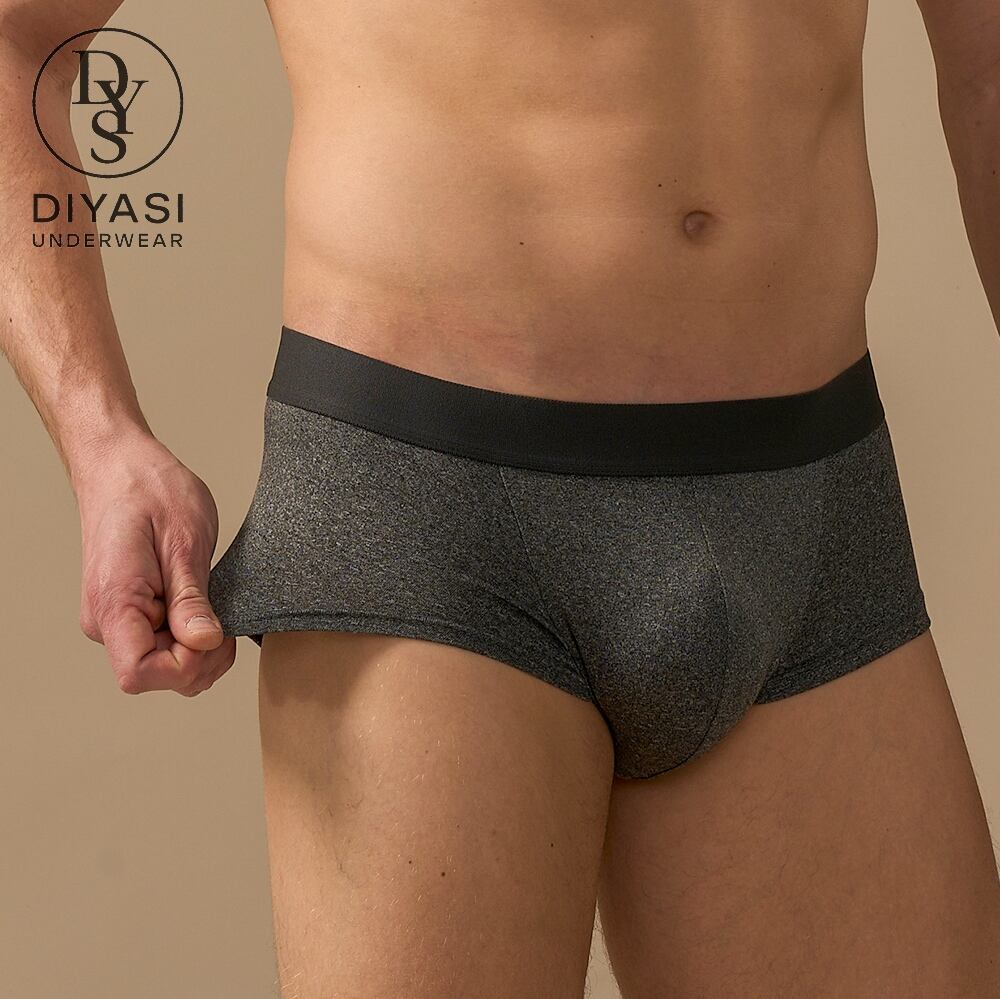
The men's brief has remained one of the most enduring styles in underwear history, and for good reason. Its close-fitting silhouette, strong waistband support, and minimal fabric usage make the brief a reliable everyday choice for a broad range of body types and lifestyles. Whether a retailer is building out a core underwear assortment or a brand is sourcing private-label products at scale, understanding what makes a quality brief sell — and sell repeatedly — is essential knowledge in today's competitive wholesale market.
This article breaks down the three key pillars that drive commercial success in men's brief underwear: fit architecture, fabric selection, and wholesale demand patterns. Each of these factors directly influences consumer satisfaction, return rates, and long-term brand loyalty. For buyers, sourcing managers, and brand owners, getting these three elements right is not just about product quality — it is about building a sustainable business around a category that consistently generates repeat purchases across all retail channels.
The Anatomy of a Well-Fitted Brief
Why Fit Architecture Drives Repeat Purchases
The fit of a men's brief is not simply a matter of size — it is a carefully engineered balance between waistband tension, leg opening elasticity, and seat coverage. A well-constructed brief should sit securely at the natural waistline without digging in or rolling down during movement. This stability is what separates a product that earns five-star reviews from one that gets returned after a single wear.
Consumers who regularly wear a brief style often cite consistent fit as the number one reason they repurchase. When a wholesale buyer is evaluating a supplier, fit consistency across a size run — from small to 3XL — is a critical quality indicator. A brief that fits perfectly in a medium but loses its shape in an extra-large represents a grading failure that will generate complaints and chargebacks at the retail level.
The leg opening deserves particular attention. A brief with leg bands that are too tight will cause chafing and leave marks on the skin, while leg openings that are too loose will fail to provide the snug support that makes the style desirable in the first place. Finding that calibrated middle ground is a hallmark of an experienced underwear manufacturer.
Low-Rise Versus Mid-Rise Fit Profiles
Within the brief category, rise height is one of the most commercially significant design variables. The low-rise brief sits below the natural waist, typically just above the hip bone, creating a modern, streamlined silhouette that appeals strongly to younger demographics and fashion-forward consumers. The mid-rise brief, by contrast, sits at or slightly above the hip bone and tends to offer broader appeal across age groups.
For wholesale assortments, carrying both rise profiles allows buyers to address a wider customer base without fragmenting the product story. A well-merchandised brief collection will often feature a low-rise option as the core fashion entry point and a mid-rise version as the everyday essentials anchor. Both profiles should share the same fabric and construction standards to maintain brand consistency at the point of sale.
Retailers and e-commerce brands have found that clear size guides and rise descriptions on product pages significantly reduce return rates for brief styles. When shoppers understand exactly where the waistband will sit on their body, they make better purchasing decisions — which improves customer satisfaction metrics and lowers fulfilment costs for the retailer.
Fabric Selection and Performance Properties
Cotton Blends and Their Commercial Role
Cotton remains the dominant fabric choice for men's brief underwear in terms of global volume, and its commercial dominance is well-deserved. A combed cotton brief offers exceptional softness, breathability, and skin compatibility, making it suitable for all-day wear across a wide range of climates. From a wholesale perspective, combed or ring-spun cotton commands a modest premium over standard cotton but delivers noticeably better hand feel that consumers can immediately perceive.
Cotton-elastane blends — typically in the range of 90 to 95 percent cotton with 5 to 10 percent elastane — have become the industry standard for stretch brief construction. The elastane content allows the fabric to recover its shape after laundering and movement, which directly extends the product's functional lifespan. For wholesale buyers placing large orders, fabric durability translates to fewer warranty claims and a stronger brand reputation over time.
Modal, a semi-synthetic fiber derived from beech wood pulp, has also gained significant traction in the brief category. Modal brief products are prized for their silky texture, superior moisture absorption, and resistance to pilling after repeated washing. These properties place modal-blend briefs in the mid-to-premium price tier, which offers higher per-unit margins for brands targeting quality-conscious consumers.
Moisture-Wicking Fabrics and the Performance Brief Segment
The performance brief segment has expanded rapidly as consumers increasingly seek underwear that can transition from the gym to the office without discomfort. Moisture-wicking fabrics — typically constructed from polyester microfiber, nylon, or treated cotton blends — draw perspiration away from the skin and promote faster evaporation, keeping the wearer dry and comfortable throughout the day.
A brief designed with moisture-wicking technology represents a compelling upgrade proposition for wholesale buyers who want to differentiate their assortment beyond basic cotton. When paired with tagless construction and a no-fly pouch design, this type of product addresses multiple consumer pain points simultaneously — sweat management, skin irritation from labels, and unrestricted movement — within a single SKU.
From a category management standpoint, performance brief products tend to attract a slightly older, more fitness-oriented male consumer who prioritizes function over fashion. This consumer profile is highly brand-loyal once a product earns their trust, which means the initial wholesale investment in a quality performance brief can generate reliable reorder volume over multiple seasons.
Tagless Construction and Consumer Comfort Standards
The Shift Away from Woven Labels
One of the most commercially impactful innovations in men's brief underwear over the past decade has been the widespread adoption of tagless construction. Traditional woven or printed labels were a persistent source of irritation complaints, particularly for consumers with sensitive skin or those who wore their underwear for extended periods during physical activity. Removing the label — or replacing it with a soft heat-transfer print — directly eliminates this friction point.
For wholesale buyers evaluating brief products, tagless construction has effectively become a baseline expectation rather than a premium feature in the mid-tier and above. Buyers who still source labeled briefs for budget-tier assortments should be aware that this can negatively affect consumer perception relative to competitors offering tagless options at similar price points. The cost difference between labeled and tagless construction at volume is minimal, making the upgrade almost universally justifiable.
Heat-transfer label technology has also advanced significantly, with modern transfers offering wash durability that rivals traditional woven labels. A well-applied heat transfer on a quality brief should remain legible and intact through at least fifty wash cycles — a benchmark that reputable manufacturers can meet with standard production processes.
Pouch Design and Functional Support
The anatomical pouch has become one of the defining design elements of the modern premium brief. Unlike flat-front construction, a contoured or three-dimensional pouch is engineered to accommodate the male anatomy comfortably without compression or restriction. This functional improvement is particularly significant for the low-rise brief, where the reduced rise height can otherwise compromise support.
From a marketing perspective, pouch design is one of the most searchable and conversion-driving features in men's underwear e-commerce. Product listings that explicitly describe pouch construction — including depth, shaping method, and fabric — consistently outperform generic brief listings in both click-through rate and add-to-cart conversion. Wholesale buyers sourcing for e-commerce partners should prioritize suppliers who can provide accurate and detailed technical specifications for this feature.
The no-fly pouch design — which omits the traditional fly opening in favor of a seamless front panel — has gained considerable traction in performance and fashion-oriented brief collections. This construction simplifies the front panel, reduces bulk, and contributes to a cleaner external appearance under fitted clothing, addressing a key aesthetic concern for younger male consumers.
Wholesale Demand Patterns and Sourcing Strategy
What Drives Consistent Reorder Volume
The men's brief category is one of the most reliably high-volume segments in the entire apparel market. Unlike seasonal fashion categories, underwear purchases follow predictable replenishment cycles, with most male consumers replacing their brief stock two to four times per year. This replenishment behavior creates a stable demand base that is highly attractive to both retailers and wholesale buyers planning inventory around consistent sell-through rates.
For wholesale buyers, the key to capturing this replenishment demand is offering a core brief program with consistent sizing, stable fabric specifications, and reliable lead times. Consumers who find a brief they trust tend to reorder the exact same product repeatedly, which means any disruption in quality, fit, or availability will drive them to a competing brand. Protecting these loyal replenishment customers requires strict quality consistency across production runs.
Multi-pack configurations — typically three-packs or five-packs of the same style — are the dominant format in mainstream retail channels and represent a significant portion of wholesale brief volume. Offering multi-pack options alongside single units allows wholesale buyers to address both gifting occasions and everyday replenishment use cases within the same product program, maximizing shelf productivity.
Emerging Trends Shaping Brief Wholesale Demand
Several demand trends are reshaping the wholesale landscape for men's brief underwear. Extended size inclusivity — running from XS to 4XL or beyond — has become a meaningful differentiator, as historically underserved size ranges now represent an actively growing commercial opportunity. Wholesale buyers who source brief programs with genuine size depth, rather than simply token additions at the high end of the range, are positioning themselves ahead of a clear market direction.
Sustainable fabric sourcing is another trend exerting increasing pressure on the brief category. Organic cotton, recycled fiber blends, and responsibly sourced modal are all gaining traction among consumers who want their everyday purchases — including something as basic as a brief — to reflect their values. For wholesale buyers, this means sustainability certifications are becoming a sourcing requirement rather than a marketing afterthought.
Color and print variety has also expanded significantly in the men's brief market. While white, grey, and black remain the volume backbone of any core program, fashion-forward consumers increasingly expect seasonal color offerings and graphic prints within the brief silhouette. Wholesale assortments that balance core basics with rotating fashion options tend to achieve stronger overall category performance than those focused exclusively on neutral colorways.
FAQ
What is the difference between a low-rise brief and a standard brief?
A low-rise brief sits below the natural waistline, typically just above or at the hip bone, creating a lower, more streamlined profile. A standard or mid-rise brief sits at or slightly above the hip bone, providing more coverage and a more traditional fit. The choice between them generally comes down to personal preference, body type, and the style of clothing being worn over the underwear.
Why is moisture-wicking fabric important in a brief?
Moisture-wicking fabric pulls perspiration away from the skin and allows it to evaporate more quickly, keeping the wearer dry and comfortable during physical activity or extended wear. For a brief style, this is particularly important because the close-fitting construction leaves little room for air circulation. Performance fabrics address this limitation by actively managing moisture rather than simply absorbing it.
What should wholesale buyers look for when evaluating a brief supplier?
Wholesale buyers should evaluate a brief supplier on several dimensions: fit consistency across the full size run, fabric quality and composition accuracy, construction durability under repeat laundering, waistband and leg band elasticity retention, and production lead time reliability. Tagless construction and accurate technical documentation — including fabric weight, fiber content, and care instructions — are additional markers of a professional-grade supplier capable of supporting volume programs.
How does pouch design affect the commercial performance of a brief?
A well-engineered pouch design enhances functional comfort by accommodating the male anatomy without compression, which directly reduces complaints and returns. Commercially, pouch features are highly searchable in e-commerce environments and contribute to stronger product listing performance. A brief with a described and photographed contoured pouch consistently demonstrates higher conversion rates than a flat-front alternative at a similar price point, making it a meaningful revenue driver for retail-facing wholesale programs.