


 EN
EN



The men's underwear market has undergone a quiet revolution over the past two decades, and at the center of that shift sits one undeniable winner: the boxer brief. Walk into any major retailer, scroll through any e-commerce platform, or survey men across age groups and lifestyles, and the pattern becomes impossible to ignore. The boxer brief consistently outsells briefs, boxers, trunks, and every other style, commanding a dominant share of shelf space and consumer spend alike. Understanding why this happened requires looking at performance, comfort, aesthetics, and evolving male consumer expectations all at once.
The rise of the boxer brief is not a passing trend or a marketing accident. It reflects a genuine convergence of functional design, social influence, and retail strategy that has reshaped how men think about what they wear beneath their clothes. From athletic performance to everyday office wear, the boxer brief has proven itself versatile enough to serve nearly every context a modern man encounters. This article explores the real reasons behind that dominance and what it means for the broader men's underwear category going forward.
The Functional Edge That Separates Boxer Briefs From Other Styles
The Balance Between Support and Freedom
One of the most compelling reasons the boxer brief dominates is its structural balance. Traditional briefs offer strong support but can feel restrictive and expose a significant portion of the thigh, which many men find uncomfortable in certain situations. Boxers, on the other hand, offer coverage but notoriously lack the structured support that active men require. The boxer brief solves both problems simultaneously by combining a fitted, supportive construction through the seat and groin with enough leg coverage to prevent chafing and bunching.
This dual functionality means that a single style can transition from a morning gym session to a full workday and through an evening with equal effectiveness. Men no longer need to maintain separate categories of underwear for different activities when one well-designed boxer brief can handle all of them. That practical simplicity is enormously appealing in a time when consumers increasingly prioritize versatility in every product category they buy.
The fitted leg band is perhaps the most important structural feature of the boxer brief. It anchors the garment in place, eliminating the ride-up that plagues traditional boxers and the constant adjustment that makes looser styles frustrating during active movement. For men who spend long hours on their feet, commuting, or sitting at a desk, this stability translates directly into tangible daily comfort.
Anti-Chafing Performance in Active and Everyday Contexts
Chafing remains one of the most common complaints men have about lower-body comfort, and it is one area where the boxer brief consistently outperforms competing styles. By covering the inner thigh with a snug but non-constricting fabric, a quality boxer brief creates a barrier between skin surfaces that would otherwise rub together during walking, running, or cycling. This protective function has made the boxer brief the default choice for runners, cyclists, and gym-goers who previously had to rely on compression shorts or specialized athletic gear.
Modern boxer brief constructions have further amplified this advantage through innovations in fabric. Moisture-wicking blends, flat-lock seam construction, and ergonomic 3D pouch designs have elevated performance to a level that earlier iterations of this style never reached. Today's boxer brief is not merely a compromise between two older styles — it is a purpose-built garment engineered to meet the demands of physically active, comfort-conscious men.
Fabric and Construction Innovations Driving Market Preference
Advanced Materials That Changed Consumer Expectations
The widespread adoption of performance fabrics in the boxer brief category has been one of the most transformative forces driving market dominance. Microfiber, modal, bamboo blends, and technical stretch materials have replaced the basic cotton constructions of the past, delivering softness, breathability, and moisture management at a level that previous generations of underwear could not achieve. These material upgrades have made the boxer brief feel less like a functional necessity and more like a genuinely pleasant garment to wear throughout the day.
Breathability in particular has become a major selling point as consumers grow more educated about fabric properties. A boxer brief made with open-weave performance fabric or natural breathable fibers manages body heat and moisture far more effectively than a dense cotton brief or a loose synthetic boxer. This functional improvement resonates especially with men in warmer climates or high-activity lifestyles, expanding the boxer brief's appeal across demographics that might otherwise have defaulted to different styles.
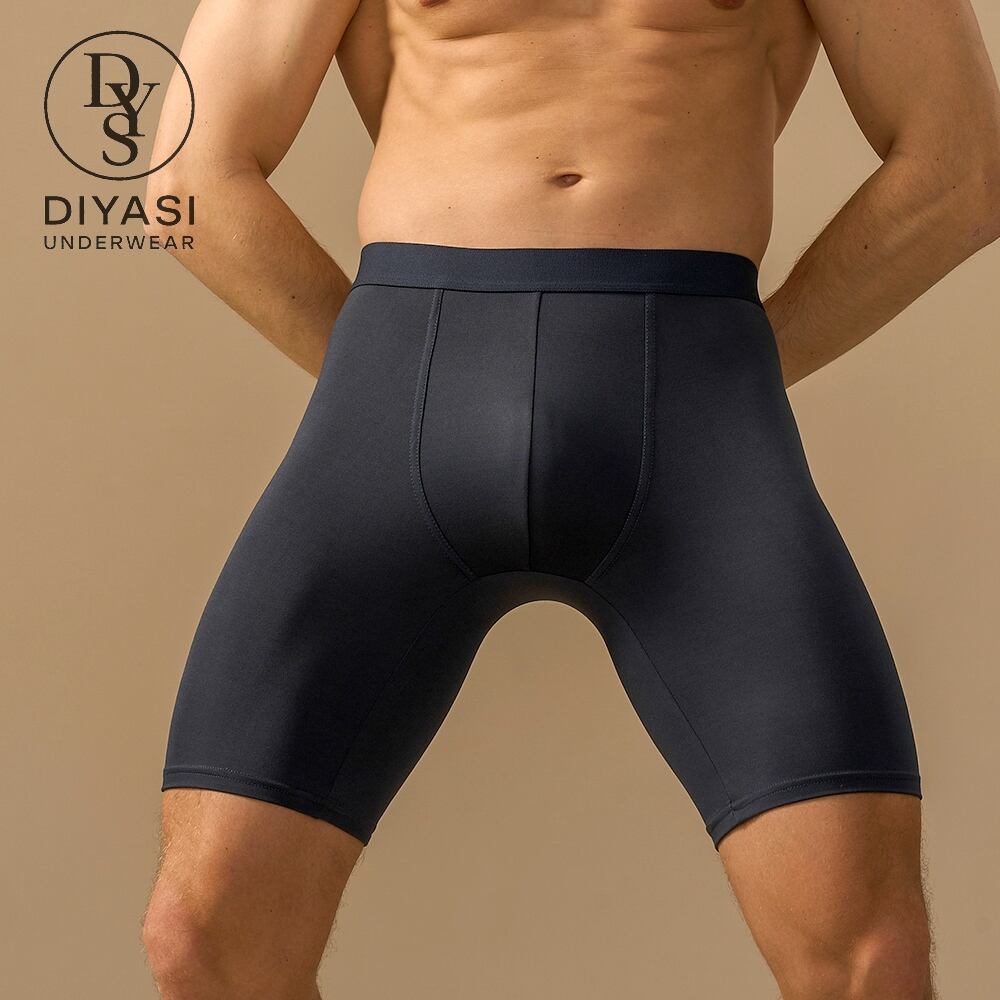
Products like the boxer brief with 3D pouch engineering and anti-chafing construction represent the leading edge of this innovation trend. The 3D anatomical pouch provides natural contouring support without compression, reducing heat buildup and improving overall comfort during extended wear. This type of design thinking has elevated consumer expectations across the entire category and pushed rival styles even further behind in the market share race.
The Role of Fit Engineering in Long-Term Dominance
Fit is not just a size question — it is an engineering challenge, and the boxer brief style has benefited enormously from decades of refinement in cut and construction. The waistband, leg opening, seat shaping, and crotch gusset all play measurable roles in how a garment performs across different body types and movement patterns. Manufacturers who have invested in graded pattern development and multi-directional stretch fabrics have been able to deliver a boxer brief that genuinely fits a wide range of male physiques without compromising on support or coverage.
Long-leg boxer brief variations have further extended the style's appeal to men who need additional thigh coverage under tailored trousers, athletic shorts, or in professional environments where visible underwear lines are a concern. The ability to offer both mid-thigh and standard inseam options within the same product family gives the boxer brief category a flexibility that shorter or looser styles simply cannot match. This range of fit options is a significant reason why the style continues to attract new customers across age brackets and lifestyle profiles.
Cultural and Social Factors Behind Boxer Brief Dominance
Influence of Fitness Culture and Body Confidence
The rise of gym culture and the broader visibility of fitness as a lifestyle value has played a meaningful role in the boxer brief's ascent. As more men prioritized physical fitness and became more conscious of how their body looked and felt, the fitted silhouette of the boxer brief became culturally aligned with that identity. Wearing a structured, well-fitted boxer brief became associated with an active, health-conscious self-image that resonated with a large and growing segment of male consumers.
This cultural alignment was reinforced through advertising, social media, and the growing category of athleisure wear, all of which normalized the boxer brief as the obvious and aspirational choice for men who cared about how they presented themselves. The style's visibility in sportswear campaigns and fitness content further cemented its position as the dominant choice for a generation of men making more deliberate decisions about every layer of their wardrobe.
Retail Visibility and Category Positioning
Retail strategy has also been a decisive factor in the boxer brief's market dominance. Because the style appeals to the broadest possible demographic — young, middle-aged, athletic, sedentary, casual, and professional men alike — retailers have consistently allocated disproportionate shelf space and promotional resources to boxer brief products. This visibility creates a self-reinforcing cycle in which the most visible style becomes the default choice for men who have not yet formed a strong preference.
When a consumer enters a store or browses online without a specific style in mind, the boxer brief is almost always what they encounter first, in the greatest variety of colors, fabrics, and price points. That first-mover advantage in the retail environment translates directly into trial purchases, and because the boxer brief genuinely delivers on its functional promises, those trial purchases tend to result in repeat buying and long-term category loyalty.
Why the Boxer Brief Continues to Outpace Rival Styles
Versatility Across Contexts Makes Switching Costs High
Once a man has integrated the boxer brief into his daily routine and experienced consistent comfort across varied activities, switching to another style carries real perceived costs. The alternative styles each involve meaningful trade-offs — briefs sacrifice coverage and can feel dated, boxers lack support and tend to bunch, trunks work for some body types but not others. The boxer brief occupies a position in the middle of the spectrum that minimizes trade-offs, making it genuinely difficult for competing styles to displace it from the wardrobe once it has earned its place.
This stickiness is a powerful driver of sustained market dominance. Consumer loyalty in the underwear category is high once a preferred style is established, and the boxer brief earns that loyalty more consistently than any alternative. Repurchase rates for boxer brief products tend to be strong, which gives manufacturers and retailers reliable demand forecasting and encourages continued investment in product development within the style — which in turn keeps the boxer brief at the innovation frontier.
Cross-Generational and Cross-Lifestyle Appeal
Perhaps the most telling indicator of boxer brief dominance is its ability to maintain strong market share across genuinely different consumer segments. College students and retirees, office workers and construction workers, athletes and sedentary professionals — all are represented among consistent boxer brief buyers. This cross-generational and cross-lifestyle appeal is extraordinarily rare in any apparel category and speaks to the fundamental correctness of the boxer brief's design philosophy.
The boxer brief does not depend on trend cycles or demographic waves to maintain its position. It earns its dominance through repeated daily wear performance across millions of individual routines. That kind of broad, experience-based loyalty is the most durable foundation any product category can have, and it explains why the boxer brief's market leadership shows no meaningful signs of erosion despite occasional challenges from newer styles and competing innovations.
FAQ
Why do most men prefer boxer briefs over traditional boxers or briefs?
Most men prefer the boxer brief because it combines the support structure of a brief with the coverage and anti-chafing benefits of a boxer. The fitted leg band prevents ride-up, the supportive pouch reduces discomfort during activity, and the overall construction works effectively across a wide range of daily situations. This versatility makes the boxer brief a more practical and satisfying everyday choice than either of its predecessors.
Are boxer briefs suitable for athletic and high-activity use?
Yes, the boxer brief is exceptionally well suited for athletic use when constructed from moisture-wicking, stretch-capable fabrics. The snug leg coverage prevents thigh chafing, the fitted waistband keeps the garment stable during dynamic movement, and advanced designs with 3D anatomical pouches reduce heat accumulation and friction. Many men who previously wore compression shorts for athletic activities have switched to high-performance boxer brief styles that deliver comparable benefits with greater everyday versatility.
What makes a boxer brief high quality compared to a basic version?
A high-quality boxer brief is distinguished by its fabric composition, seam construction, waistband durability, and ergonomic fit engineering. Premium versions use performance fabrics with genuine moisture management properties, flat-lock or bonded seams that eliminate irritation, anatomically shaped pouches for natural support, and waistbands that maintain their elasticity through extended laundering. Basic versions often use lower-density cotton, folded seam construction that creates pressure points, and less structured shaping that reduces long-term comfort and support.
How has the boxer brief style evolved to maintain its market dominance?
The boxer brief has maintained dominance by evolving continuously alongside consumer expectations rather than remaining static. Fabric technology improvements have introduced breathable, moisture-wicking, and ultra-soft materials. Construction innovations have brought 3D pouch shaping, anti-chafing leg bands, and improved gusset engineering. Fit variations including long-leg options have expanded the style's applicability. This ongoing product development cycle keeps the boxer brief relevant and competitive regardless of shifts in consumer lifestyle trends or competing style innovations.