


 EN
EN



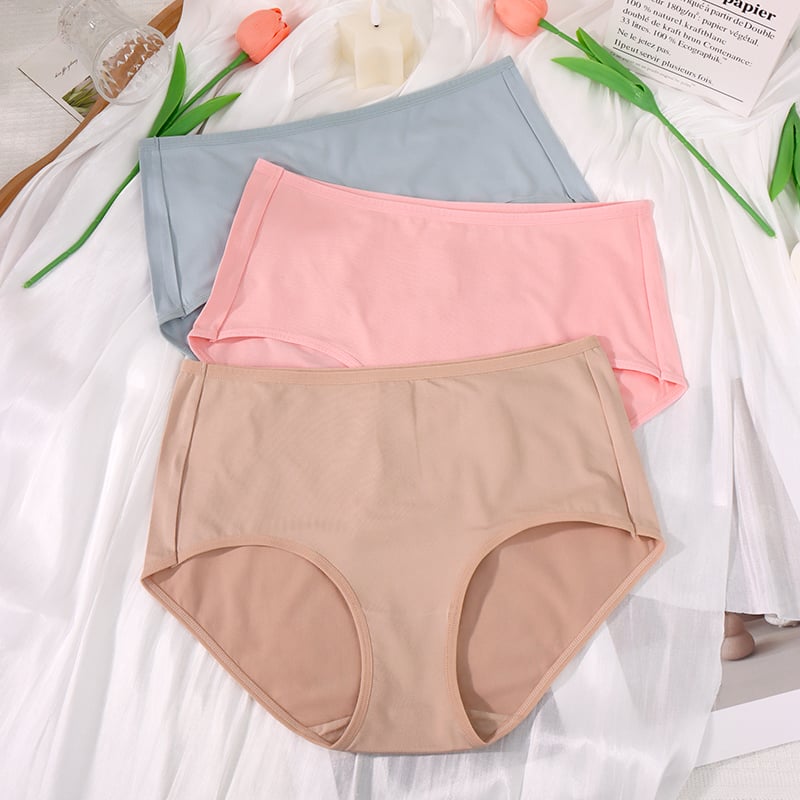
The line between sportswear, underwear has never been thinner. As activewear continues to dominate global fashion and fitness markets, brands are increasingly designing products that serve both as performance base layers and everyday undergarments. This convergence is not a passing trend — it reflects a fundamental shift in how consumers think about comfort, function, and style across their entire wardrobe.
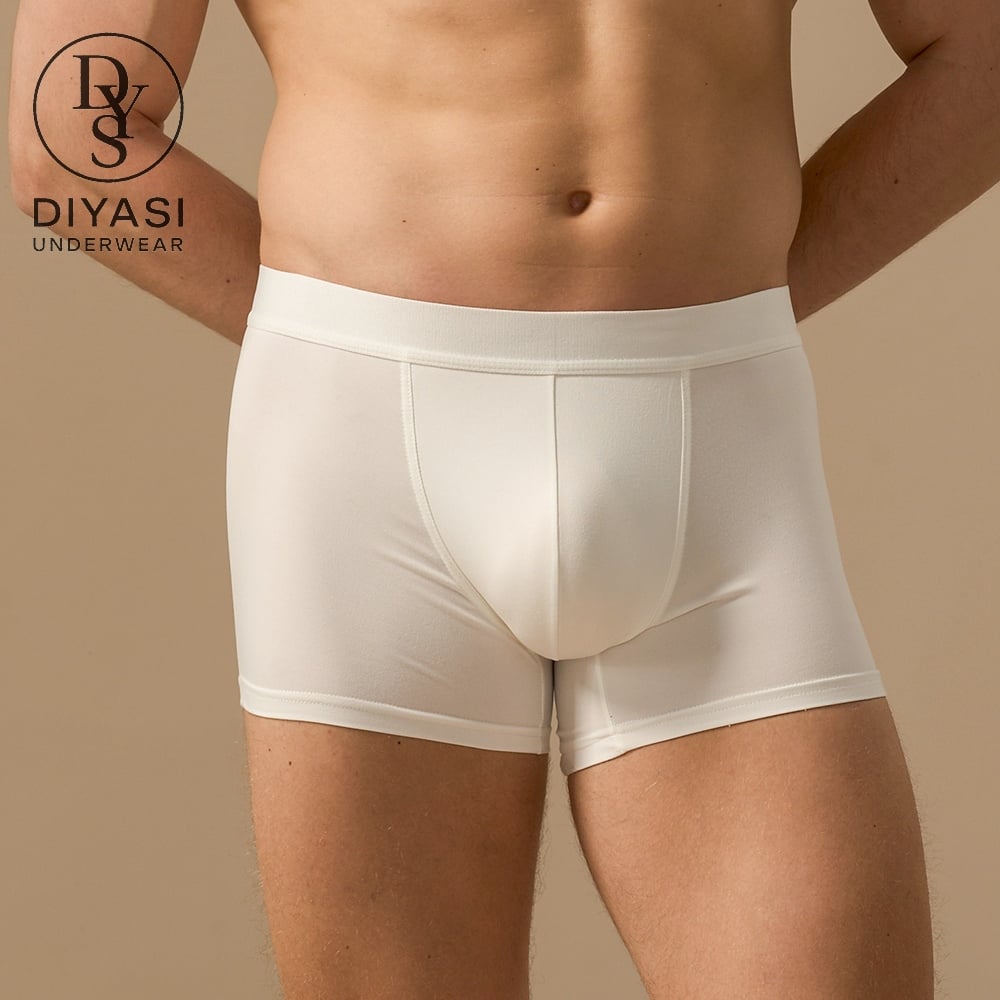
For B2B buyers, manufacturers, and brand managers, understanding how sportswear, underwear categories overlap is essential for product development, sourcing decisions, and market positioning. This article breaks down the mechanics of combining these two categories, the design principles that make hybrid products successful, and the wholesale strategies that help brands capitalize on this growing segment.
The Core Overlap Between Sportswear and Underwear
Why Sportswear, Underwear Categories Are Converging
Historically, sportswear, underwear were developed and sold as entirely separate product lines. Sportswear was built for performance — moisture-wicking, flexible, durable under physical stress. Underwear was built for comfort, discretion, and daily wear. Today, however, consumers demand both sets of qualities in a single garment. Compression shorts, athletic trunks, and contour boxer briefs now exist precisely at the intersection of sportswear, underwear, offering support during exercise while remaining comfortable enough for all-day wear.
This convergence is driven partly by the rise of athleisure culture, where the boundary between gym clothing and casual wear has dissolved. When sportswear, underwear are designed together in one cohesive brief or trunk format, the wearer does not need to layer differently for different activities. That simplicity has enormous appeal in both direct-to-consumer and wholesale markets. Brands that recognize this shift gain a significant edge over those still treating sportswear, underwear as isolated categories.
Consumer Behavior Shaping Hybrid Demand
Modern consumers are practical. They want sportswear, underwear that transitions effortlessly from a morning run to afternoon errands without discomfort or inconvenience. Survey data across retail and fitness sectors consistently shows that buyers prioritize multi-use garments. For wholesale buyers, this behavioral pattern signals strong demand for products that combine sportswear, underwear functionality, reducing the total SKU count a retailer needs to carry while expanding their appeal to a broader customer base.
Design Principles for Combining Sportswear and Underwear
Fabric Technology That Bridges Both Worlds
The foundation of any successful sportswear, underwear hybrid lies in fabric selection. High-performance blends — typically nylon-spandex, polyester-elastane, or modal-spandex composites — offer the stretch, breathability, and moisture management that both sportswear, underwear require. These fabrics must hold their shape through rigorous physical activity while remaining soft enough for extended skin contact. For OEM manufacturers sourcing at scale, fabric specification is the single most critical factor in creating credible sportswear, underwear hybrids that satisfy performance and comfort expectations simultaneously.
Flatlock stitching, tagless waistbands, and seamless construction techniques further blur the distinction between sportswear, underwear. These details reduce chafing during exercise and improve aesthetic cleanliness under both athletic and casual outerwear. Brands investing in these construction methods signal quality to buyers who evaluate sportswear, underwear not just by materials but by how the garment wears under real conditions.
Functional Features That Serve Both Categories
A contour pouch design, for example, is a feature born from sportswear, underwear crossover thinking. It provides anatomical support during physical activity while offering everyday comfort that conventional underwear often lacks. Similarly, a four-inch inseam length in boxer briefs is a deliberate choice that positions the garment squarely within sportswear, underwear territory — short enough for gym use, modest enough for casual wear. The sportswear, underwear products that achieve lasting commercial success are those where every feature — inseam, waistband width, fabric weight, pouch construction — has been deliberately calibrated to serve both categories rather than compromising one for the other.
Anti-odor treatments, moisture-wicking finishes, and quick-dry properties are no longer optional in the sportswear, underwear hybrid space. They are baseline expectations. Wholesale buyers sourcing for fitness brands, lifestyle labels, or multi-category retailers consistently require these functional standards as a minimum before evaluating sportswear, underwear products for their range.
Wholesale and Brand Strategy for Combined Categories
How Brands Position Sportswear, Underwear Together
Brand positioning for sportswear, underwear hybrids requires clear messaging that speaks to both function and lifestyle. Brands that try to market purely to gym users miss the everyday-comfort buyer, while those who market purely to comfort-seekers miss the performance-driven athlete. Successful sportswear, underwear brands communicate both value propositions simultaneously, often using terms like 'active base layer,' 'training trunk,' or 'everyday athletic brief' to bridge the gap. For private-label and OEM buyers, developing sportswear, underwear under a brand identity that naturally spans both categories from the start saves significant repositioning effort later.
Category architecture matters too. When a wholesale buyer presents sportswear, underwear hybrids to retail partners, how those products are classified — activewear, innerwear, or a distinct 'active underwear' segment — directly affects placement, promotional strategy, and consumer discovery. Brands that define this clearly for their retail partners see stronger sell-through for sportswear, underwear collections compared to brands that leave classification ambiguous.
OEM and Custom Manufacturing Advantages
For brands sourcing sportswear, underwear through OEM or custom manufacturing channels, the ability to specify fabric, silhouette, and functional features simultaneously is a major advantage. Manufacturers experienced in both sportswear, underwear construction can offer hybrid prototyping that tests performance and comfort in parallel, reducing development cycles. Custom branding — woven labels, printed waistbands, custom packaging — allows sportswear, underwear hybrids to carry strong brand identity regardless of whether they are shelved in the activewear aisle or the innerwear section. Wholesale minimum order quantities for sportswear, underwear hybrids have also become more accessible, making this category viable for emerging brands alongside established players.
FAQ
What makes a garment qualify as both sportswear and underwear?
A garment qualifies as both sportswear, underwear when it incorporates performance fabric technology, functional support structures like a contour pouch, and construction quality suitable for physical activity, while maintaining the comfort and discretion expected from traditional underwear. The design must not compromise either standard.
How should wholesale buyers evaluate sportswear, underwear hybrid products?
Wholesale buyers evaluating sportswear, underwear hybrids should assess fabric composition, stretch recovery, moisture management, stitching quality, and anatomical fit. Products that meet performance benchmarks typically used for activewear while satisfying softness and skin-comfort standards expected in underwear represent the strongest commercial opportunities in this category.
Can small brands successfully enter the combined sportswear, underwear market?
Yes. Small brands can enter the combined sportswear, underwear market effectively by partnering with OEM manufacturers that specialize in hybrid active innerwear. Accessible minimum order quantities, custom branding options, and clear positioning in a defined niche — such as men's athletic trunks or performance boxer briefs — give smaller sportswear, underwear brands a realistic path to market without requiring the scale of established players.