


 EN
EN



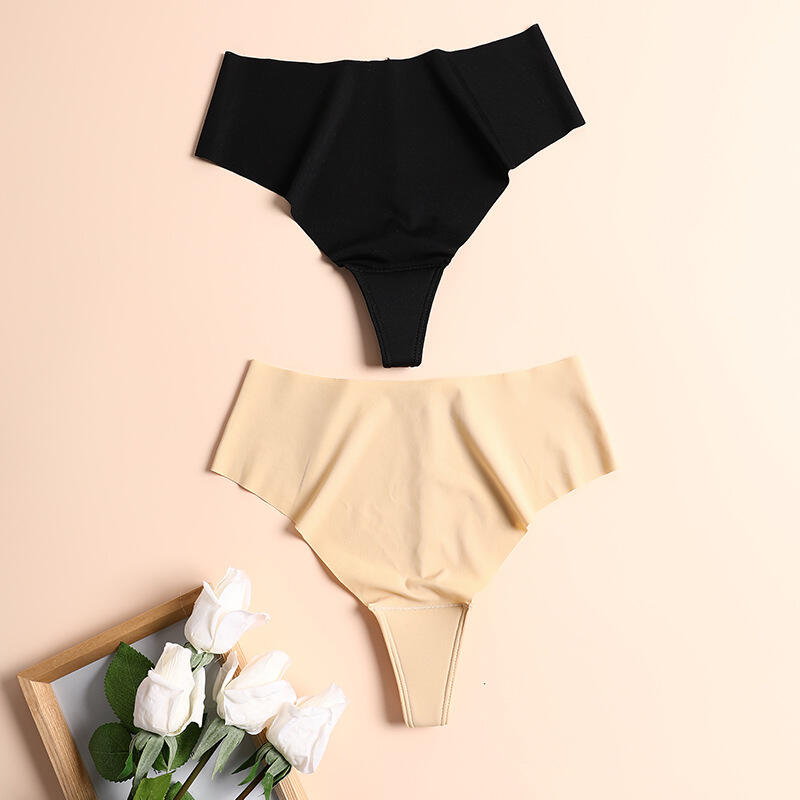
In the competitive world of men's underwear retail, few decisions carry as much commercial weight as choosing which styles to stock and promote. The debate between boxers, brief styles has been ongoing for decades, but from a sales and merchandising perspective, the question is not simply about comfort preferences — it is about understanding what drives purchasing behavior, repeat orders, and category growth. Retailers, wholesalers, and brand managers who can decode the demand signals behind each style gain a measurable edge in a market that continues to expand year over year.
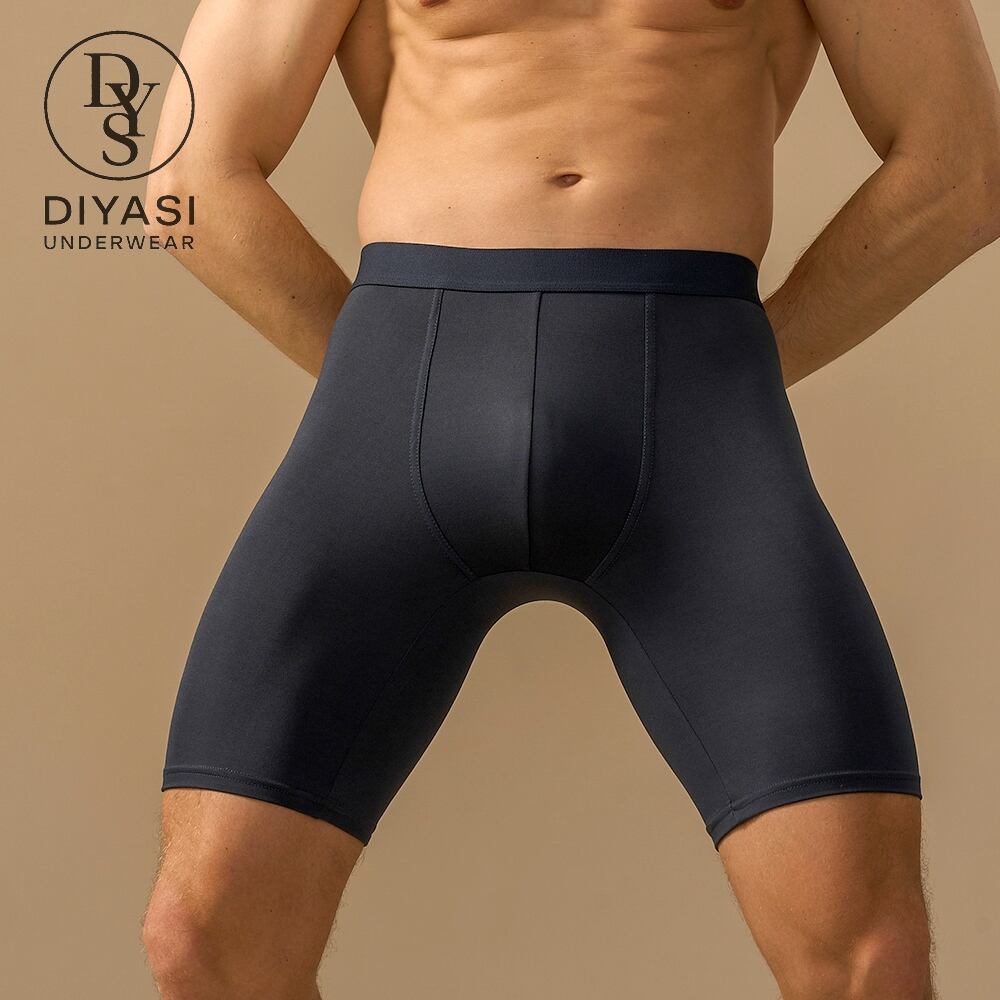
Understanding the sales dynamics of boxers, brief categories requires looking beyond simple style preference surveys. It means examining how each silhouette performs across different retail channels, demographic segments, price tiers, and seasonal cycles. This article breaks down the commercial logic behind both styles, identifies which scenarios favor each one, and explains why hybrid formats — such as the boxer brief — have emerged as a dominant force in driving consistent, high-volume sales across B2B and direct-to-consumer channels alike.
The Commercial Landscape of Boxers and Brief Underwear
How Each Style Positions Itself in the Market
The boxers, brief distinction is not merely aesthetic — it reflects two fundamentally different value propositions. Traditional boxers appeal to consumers who prioritize freedom of movement and a relaxed fit, making them a strong performer in casual lifestyle segments and gifting occasions. Briefs, on the other hand, are associated with support, compactness, and athletic utility, which positions them well in performance-oriented and everyday essentials categories.
From a retail merchandising standpoint, both styles occupy distinct shelf positions and serve different buyer motivations. Boxers tend to attract impulse purchases and multi-pack value deals, while briefs often anchor subscription-based replenishment models. Recognizing these positioning differences is the first step toward building a product mix that maximizes revenue across multiple customer touchpoints.
The boxers, brief category split also varies significantly by geography and retail format. In markets where athletic and performance wear culture is strong, briefs and fitted styles consistently outperform. In markets with a stronger casual or heritage menswear tradition, boxers maintain a loyal and sizable customer base. Smart buyers and category managers account for these regional nuances when placing orders and setting promotional priorities.
Price Point Dynamics and Margin Implications
When comparing boxers, brief styles on a pure margin basis, briefs and fitted styles often carry higher perceived value per unit despite using less fabric. This is because the engineering involved — structured waistbands, contoured pouches, and performance fabrics — justifies a premium price point that consumers are willing to pay for functional benefits.
Boxers, while typically lower in per-unit cost, often compensate through volume. Multi-pack formats are a proven strategy for driving higher average order values in the boxer segment. Retailers who bundle boxers, brief styles together in mixed packs have found success in capturing consumers who want variety without committing to a single silhouette.
For wholesale buyers, the margin calculation must also factor in return rates and size exchange frequency. Fitted styles like briefs tend to have more precise sizing requirements, which can increase exchange activity if sizing guidance is unclear. Boxers, with their more forgiving fit, often generate fewer returns — a factor that quietly improves net margin performance at scale.
Consumer Demand Signals That Influence Sales Volume
Demographics and Lifestyle Segmentation
Age and lifestyle are among the strongest predictors of boxers, brief preference. Younger male consumers, particularly those in the 18–34 demographic, have shown a clear shift toward fitted styles including briefs and boxer briefs. This group is heavily influenced by activewear culture, social media aesthetics, and a preference for streamlined silhouettes under fitted clothing.
Older demographics and consumers in more traditional markets continue to show strong loyalty to classic boxers. This segment values familiarity, comfort, and the relaxed fit that boxers provide. For retailers serving a broad age range, carrying both boxers, brief styles is not optional — it is a baseline requirement for avoiding lost sales.
Lifestyle segmentation adds another layer of nuance. Gym-goers, cyclists, and men who wear fitted trousers or suits daily tend to gravitate toward briefs and fitted options for practical reasons. Men in more casual or outdoor-oriented lifestyles often prefer the breathability and freedom of boxers. Aligning your product range with the lifestyle profile of your target customer is one of the most reliable ways to improve sell-through rates in the boxers, brief category.
Seasonal and Occasion-Based Purchase Patterns
Seasonality plays a meaningful role in boxers, brief sales performance. Briefs and fitted styles tend to see stronger sales during warmer months when consumers prioritize minimal coverage and moisture management. Boxers, particularly woven cotton styles, often see a lift during cooler seasons and around gifting periods such as the holiday quarter.
Gifting occasions are a particularly important driver for the boxer segment. Boxers in novelty prints, premium fabrics, or branded packaging consistently perform well as gift items, which creates a seasonal sales spike that retailers can plan around. Briefs, while less commonly purchased as gifts, benefit from strong replenishment cycles — consumers who find a brief style they like tend to reorder the same product repeatedly.
Understanding these occasion-based patterns allows buyers to time their inventory investments more precisely. Stocking up on boxers, brief styles ahead of peak gifting seasons, while maintaining steady replenishment inventory for briefs year-round, is a practical approach to optimizing stock turns and reducing markdown risk.
The Rise of Hybrid Styles and Their Sales Impact
Why Boxer Briefs Have Disrupted the Traditional Category Split
The emergence of the boxer brief as a dominant category has fundamentally changed how retailers think about the boxers, brief binary. Boxer briefs combine the leg coverage and relaxed aesthetic of boxers with the support and fitted profile of briefs, creating a hybrid that appeals to a broad cross-section of male consumers. This versatility has made boxer briefs one of the fastest-growing segments in men's underwear globally.
From a sales perspective, boxer briefs often outperform both traditional boxers and classic briefs in head-to-head category comparisons. They attract consumers who are dissatisfied with the limitations of either extreme — those who find classic briefs too restrictive and traditional boxers too loose. By addressing both comfort and support in a single product, boxer briefs reduce the friction in the purchase decision and drive higher conversion rates.
For B2B buyers and private label brands, investing in high-quality boxer brief styles — particularly those with advanced features such as 3D ergonomic pouches, anti-chafing construction, and breathable performance fabrics — represents a strong opportunity to capture premium market share. A well-engineered boxers, brief hybrid product can command higher price points while delivering the functional benefits that today's consumers actively seek out.
Feature-Driven Differentiation as a Sales Lever
In a crowded boxers, brief market, feature differentiation is one of the most effective tools for driving sales velocity and justifying premium pricing. Consumers are increasingly willing to pay more for underwear that solves specific problems — whether that is chafing during physical activity, moisture buildup in warm climates, or discomfort caused by poor fit and inadequate support.
Features such as contoured 3D pouches, flatlock seams, moisture-wicking fabrics, and extended leg lengths address real pain points that consumers experience with standard boxers, brief styles. When these features are clearly communicated through product descriptions, packaging, and marketing materials, they create a compelling reason to choose one product over a cheaper alternative.
For wholesale and private label buyers, sourcing boxers, brief styles with genuine functional advantages — rather than cosmetic differentiation alone — builds long-term brand equity and encourages repeat purchasing. Customers who experience a meaningful improvement in comfort and performance become loyal repeat buyers, which is the foundation of sustainable sales growth in this category.
Retail Strategy: Optimizing Your Boxers and Brief Product Mix
Assortment Planning for Maximum Category Coverage
Effective assortment planning in the boxers, brief category requires balancing breadth and depth. Breadth means offering enough style variety — classic boxers, traditional briefs, and hybrid boxer briefs — to serve the full range of consumer preferences in your target market. Depth means carrying sufficient size range, color options, and fabric variations within each style to avoid lost sales due to stockouts or limited choice.
A common mistake in category management is over-indexing on one style at the expense of others. Retailers who stock only boxers miss the growing demand for fitted and hybrid styles. Those who focus exclusively on briefs may alienate consumers who prefer a more relaxed fit. A balanced boxers, brief assortment that includes strong representation across all three silhouettes — boxers, briefs, and boxer briefs — consistently outperforms narrower ranges in total category revenue.
When planning your assortment, also consider the role of price architecture. Having entry-level, mid-tier, and premium options within the boxers, brief category allows you to capture a wider range of spending levels and creates natural upsell pathways. Consumers who enter the category at a lower price point can be guided toward premium options through effective merchandising and product storytelling.
Merchandising and Presentation Tactics That Drive Conversion
How boxers, brief products are presented — both online and in physical retail — has a direct impact on conversion rates and average order value. Online, high-quality product imagery, detailed size guides, and clear feature callouts are essential for reducing purchase hesitation. Consumers buying underwear online cannot physically assess fit or fabric quality, so the product page must do that work for them.
In physical retail, placement and packaging play a critical role. Boxer briefs and premium brief styles benefit from eye-level placement and packaging that communicates functional benefits clearly. Classic boxers, particularly in multi-pack formats, perform well in high-traffic, high-visibility locations where value messaging can be quickly absorbed by shoppers.
Cross-merchandising boxers, brief styles with complementary categories — such as athletic wear, loungewear, or grooming products — can also lift basket size and introduce the category to consumers who might not have been actively shopping for underwear. Strategic placement near fitting rooms or checkout areas captures impulse purchase behavior that is particularly strong in the basics and essentials segment.
FAQ
Which sells better in wholesale channels — boxers or briefs?
In most wholesale contexts, boxer briefs and fitted brief styles tend to generate higher revenue per SKU due to their premium pricing and strong repeat purchase rates. However, classic boxers often win on volume, particularly in multi-pack formats. The most commercially successful wholesale assortments carry a balanced mix of boxers, brief styles to serve the full range of retail buyer needs.
How do I decide which boxers, brief styles to prioritize for a new product line?
Start by profiling your target consumer's age, lifestyle, and primary use case. If your audience skews younger and active, fitted briefs and boxer briefs with performance features should anchor your range. If your audience is broader or more casual, a mix of classic boxers and mid-tier boxer briefs provides the best coverage. Always validate your assumptions with sell-through data from comparable categories before committing to large inventory positions.
Are premium features like 3D pouches and anti-chafing construction worth the higher sourcing cost?
Yes, in most cases. Premium functional features in the boxers, brief category justify higher retail price points and generate stronger consumer loyalty. Customers who experience genuine comfort improvements become repeat buyers and brand advocates. The incremental sourcing cost is typically offset by higher margins, lower return rates, and better long-term customer lifetime value compared to commodity-level products.
How does seasonality affect boxers, brief inventory planning?
Seasonality has a moderate but predictable impact on boxers, brief sales. Briefs and performance-oriented styles tend to peak in spring and summer, while woven boxers see stronger demand in the holiday gifting season. Planning inventory with these cycles in mind — building boxer stock ahead of Q4 and ensuring strong brief and boxer brief availability in Q2 — helps reduce both stockout risk and end-of-season markdown exposure.
Table of Contents
- The Commercial Landscape of Boxers and Brief Underwear
- Consumer Demand Signals That Influence Sales Volume
- The Rise of Hybrid Styles and Their Sales Impact
- Retail Strategy: Optimizing Your Boxers and Brief Product Mix
-
FAQ
- Which sells better in wholesale channels — boxers or briefs?
- How do I decide which boxers, brief styles to prioritize for a new product line?
- Are premium features like 3D pouches and anti-chafing construction worth the higher sourcing cost?
- How does seasonality affect boxers, brief inventory planning?