


 EN
EN


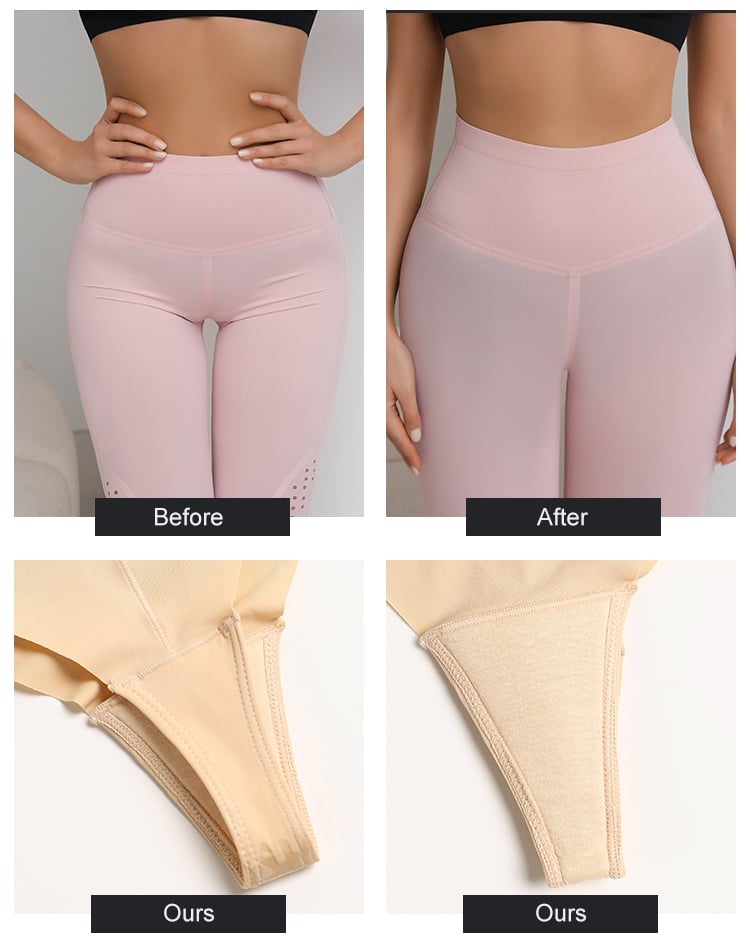
When it comes to athletic performance, most consumers focus on leggings, sports bras, and training shoes — but workout undies quietly play one of the most critical roles in overall comfort. The right pair of workout undies can prevent chafing, regulate moisture, and allow full range of motion. The wrong pair can turn an energizing gym session into an uncomfortable ordeal. For brands and buyers in the activewear space, understanding what active consumers truly expect from their workout undies is not optional — it is essential to product relevance and repeat purchase.
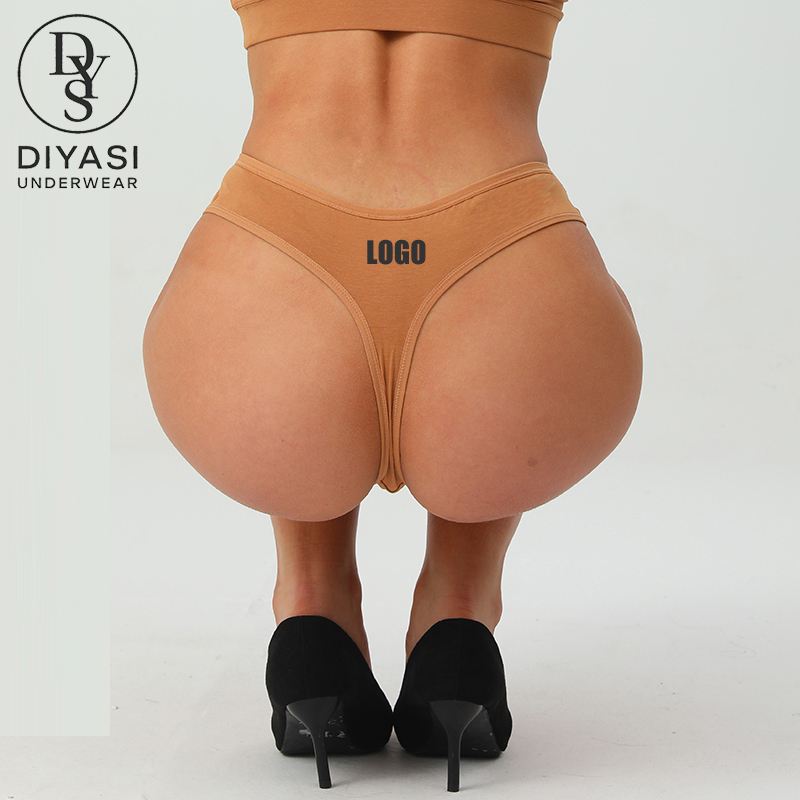
Consumer expectations around workout undies have evolved significantly. Today's active buyers are informed, specific, and unforgiving. They expect their workout undies to perform under high-sweat conditions, maintain structure through intense movement, and feel comfortable enough to wear from the gym to daily life. Whether you are sourcing workout undies in bulk or refining an existing activewear collection, aligning your offerings with these expectations is the fastest path to customer satisfaction and brand loyalty.
Core Performance Expectations for Workout Undies
Breathability and Moisture Control
The single most common complaint among active consumers is that their workout undies trap heat and moisture. Breathability is not a bonus feature — it is a baseline requirement. Consumers expect workout undies to wick sweat away from the skin efficiently, keeping the body dry and reducing the risk of skin irritation. Fabrics with open-weave structures or moisture-wicking technology are strongly favored. Cotton-blend constructions that balance breathability with softness are especially popular in workout undies designed for moderate-intensity activities like yoga, pilates, or gym training.
For high-intensity sessions — running, cycling, or HIIT — consumers expect their workout undies to handle sustained sweat output without becoming heavy or clingy. This demand pushes brands to prioritize engineered fabrics over basic cotton. Many buyers now specifically seek out workout undies labeled as 'breathable sports underwear,' making this a valuable product descriptor for SEO and retail positioning alike.
Fit, Coverage, and No-Ride Stability
Active consumers have very clear opinions about fit in their workout undies. The underwear must stay in place during lunges, squats, and high-leg movements without bunching, rolling, or slipping. This is why styles such as thongs and T-back cuts remain popular in workout undies — they eliminate fabric bunching under compression leggings while offering secure coverage at the waistband. Consumers expect the waistband of their workout undies to sit firmly at the hip without digging in or rolling down mid-workout.
Coverage preferences vary by activity type, but across all segments, the demand for 'invisible' workout undies under athletic wear is consistent. Seamless or low-profile designs in workout undies are in high demand because they reduce visible panty lines and allow leggings to look as intended. Brands that offer workout undies with thoughtful seam placement and cut optimization consistently earn stronger reviews from active buyers.
Durability and Wash Longevity
Structural Integrity After Repeated Washing
Active consumers wash their workout undies frequently — often after every use. This means workout undies must be engineered to withstand repeated machine washing without losing elasticity, shape, or fabric integrity. Consumers expect that after 50 or more washes, their workout undies still feel and function as close to new as possible. Elastic that degrades quickly or fabric that pills after a few cycles is a top reason for brand abandonment.
For wholesale buyers sourcing workout undies at scale, durability directly impacts return rates and customer lifetime value. Investing in higher-grade elastic and reinforced stitching in workout undies is not just a quality decision — it is a commercial one. Retailers that offer long-lasting workout undies build reputations that drive organic word-of-mouth recommendations within active communities.
Colorfastness and Fabric Softness Over Time
Color retention is another dimension of durability that active consumers watch closely. Workout undies that fade, bleed, or yellow after a few washes signal poor manufacturing quality. Buyers sourcing workout undies in bulk should verify that suppliers meet colorfastness standards appropriate for frequent wash cycles. Equally important is that workout undies retain their softness over time. Fabric that starts smooth but becomes rough after washing creates friction against sensitive skin during workouts — a deal-breaking discomfort.
Design Features Active Consumers Prioritize
Style Versatility and Lifestyle Wearability
Modern active consumers do not segment their wardrobe as strictly as previous generations. They want workout undies that transition smoothly from an early-morning workout to a full day of errands or work. This lifestyle wearability expectation has pushed demand for workout undies that balance athletic function with everyday comfort. Styles that look refined while still performing technically — like the workout undies featuring mid-waist T-back thong cuts in breathable cotton — satisfy both the gym and the day-after-gym routine.
Color range also matters. Consumers expect workout undies in neutral tones that layer invisibly under light-colored athletic gear, as well as expressive options for those who treat activewear as a form of personal style. Brands offering a thoughtful color palette in their workout undies line increase cart size and cross-sell potential significantly.
Eco and Ethical Sourcing Awareness
A growing segment of active consumers factor in sustainability when choosing workout undies. They prefer brands that are transparent about fabric sourcing, dye processes, and manufacturing ethics. While this expectation does not yet dominate mass-market purchasing behavior, it is gaining momentum fast — especially among younger, health-conscious buyers. For brands building a long-term workout undies line, integrating certifiable sustainable practices and communicating them clearly is a forward-looking competitive advantage.
FAQ
What fabric works best for workout undies?
Breathable cotton blends and moisture-wicking synthetic fabrics are the top choices for workout undies. Cotton offers softness and airflow for moderate exercise, while performance synthetics manage sweat more aggressively during high-intensity training. Many popular workout undies use a combination of both materials to balance comfort and performance.
Why do consumers prefer thong-style workout undies for the gym?
Thong and T-back cuts are popular in workout undies because they eliminate visible panty lines and prevent fabric from bunching under compression leggings. This makes them especially practical for yoga, cycling, and HIIT. Consumers who wear form-fitting athletic bottoms consistently rate thong-style workout undies higher for comfort and invisibility during movement.
How many workout undies should active consumers own?
Most active consumers who exercise four to six days per week find that owning seven to ten pairs of workout undies allows proper rotation and adequate drying time between uses. For wholesale buyers, this repeat-purchase behavior means that consumers who find a trusted brand of workout undies tend to restock the same product consistently, making quality and consistency the most important long-term sales drivers.