


 EN
EN



Choosing the right workout underwear is one of the most overlooked decisions in building an active wardrobe. Whether you are running, cycling, practicing yoga, or hitting the gym, the fabric sitting closest to your skin has a direct impact on your comfort, hygiene, and performance. The wrong material can cause chafing, overheating, and moisture buildup that derails even the most motivated training session.
Understanding what makes workout underwear fabric truly functional helps you invest wisely and move with confidence. From moisture-wicking synthetics to naturally breathable cotton blends, each material brings specific advantages depending on your activity type, body chemistry, and personal preference. This guide breaks down the most important fabric properties and types so you can make an informed decision every time you shop for workout underwear.
Key Fabric Properties That Define Quality Workout Underwear
Moisture Management in Workout Underwear
The single most important property in workout underwear is moisture management. During physical activity, the body perspires significantly, and fabric that traps that moisture against the skin quickly becomes uncomfortable and unhygienic. High-quality workout underwear uses fabrics engineered to pull sweat away from the skin and allow it to evaporate rapidly. This moisture-wicking behavior keeps the skin drier and cooler throughout your workout underwear session, reducing the risk of rashes and bacterial growth. When evaluating workout underwear, always check whether the fabric actively moves moisture outward rather than simply absorbing it.
Breathability and Airflow Support
Breathability is equally essential in workout underwear designed for intense activity. A breathable fabric allows air to circulate between the garment and the skin, regulating temperature and preventing the overheating that leads to discomfort. Workout underwear made from open-knit or micro-perforated materials typically offers superior airflow compared to dense woven fabrics. This ventilation is especially critical during high-intensity workouts where body heat rises quickly. Selecting workout underwear with engineered breathability zones can make a measurable difference in how you feel during extended training sessions.
Top Fabric Types Used in Workout Underwear
Synthetic Fabrics for High-Performance Workout Underwear
Polyester and nylon are the dominant synthetic fabrics found in performance workout underwear. Polyester is lightweight, durable, and exceptionally effective at wicking moisture, making it a reliable base material for workout underwear across all activity levels. Nylon brings a softer hand feel combined with excellent stretch and recovery, which is why it is commonly blended into workout underwear that must maintain its shape through repeated wear and washing. Spandex, also known as elastane, is rarely used alone but is almost always added to workout underwear blends to provide the four-way stretch needed for unrestricted movement. Together, these synthetics form the backbone of most modern workout underwear fabric systems.
Cotton and Cotton Blends in Workout Underwear
Natural cotton has long been a staple in everyday underwear, and certain cotton blends remain relevant in workout underwear for lower-intensity activities. Pure cotton is soft, gentle on sensitive skin, and naturally breathable, but it absorbs moisture rather than wicking it away, which can be a disadvantage during vigorous exercise. However, performance cotton blends used in workout underwear often combine cotton with modal or bamboo fibers to improve softness and moisture regulation simultaneously. Breathable cotton sports workout underwear is a popular choice for yoga, stretching, and light cardio where extreme moisture management is less critical but comfort and skin compatibility remain top priorities. For active individuals with sensitive skin, a high-quality cotton blend in their workout underwear can offer a gentler alternative to fully synthetic options.
Bamboo and Modal Fabrics for Workout Underwear
Bamboo-derived fabrics and modal are increasingly featured in workout underwear because they combine softness with natural moisture-wicking and antimicrobial properties. Bamboo fabric in workout underwear is notably silky against the skin, resists odor-causing bacteria, and maintains its texture after repeated washing. Modal, made from beech tree pulp, offers comparable softness along with excellent breathability, making it a strong contender for workout underwear used in steady-state cardio or studio fitness environments. These fabrics are particularly appealing for workout underwear aimed at eco-conscious consumers who prioritize both performance and sustainability. While they may not match the extreme wicking speed of synthetic fabrics, bamboo and modal workout underwear provide a premium sensory experience with practical athletic benefits.
Fit and Construction Features That Complement Workout Underwear Fabric
Seamless and Flatlock Construction
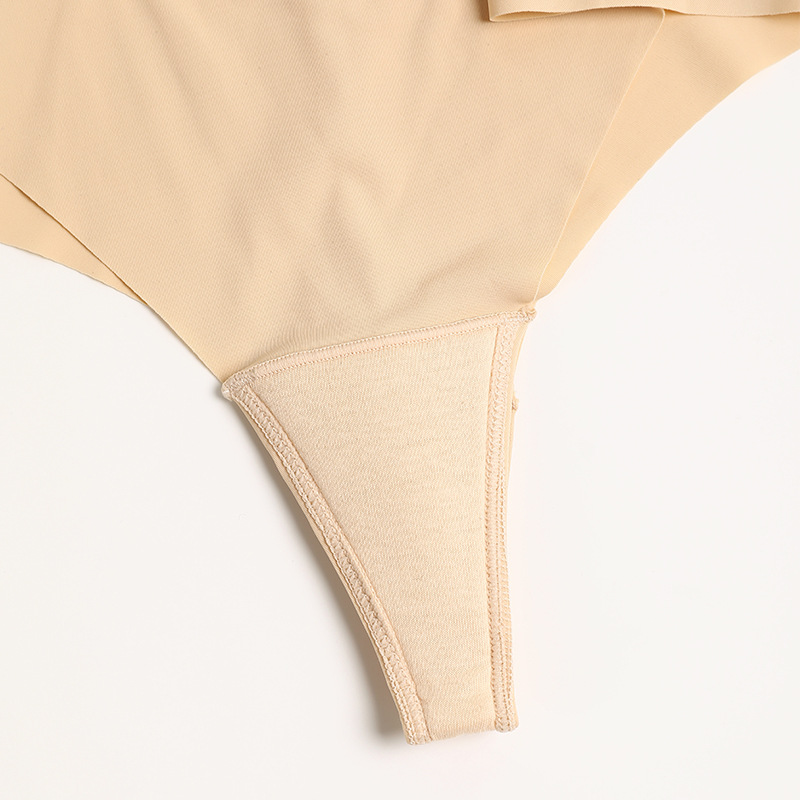
The best workout underwear fabric performs optimally only when paired with the right construction. Seamless workout underwear eliminates the raised seams that cause chafing during repetitive motion, creating a smooth second-skin experience. Flatlock stitching, used in many performance workout underwear styles, lies flat against the body and reduces friction at contact points. These construction methods work in concert with high-performance fabrics to ensure that workout underwear stays comfortable even during long-duration activities like marathon training or extended cycling rides. The interplay between fabric choice and garment engineering is what separates truly effective workout underwear from standard everyday styles.
Cut and Coverage in Active Workout Underwear
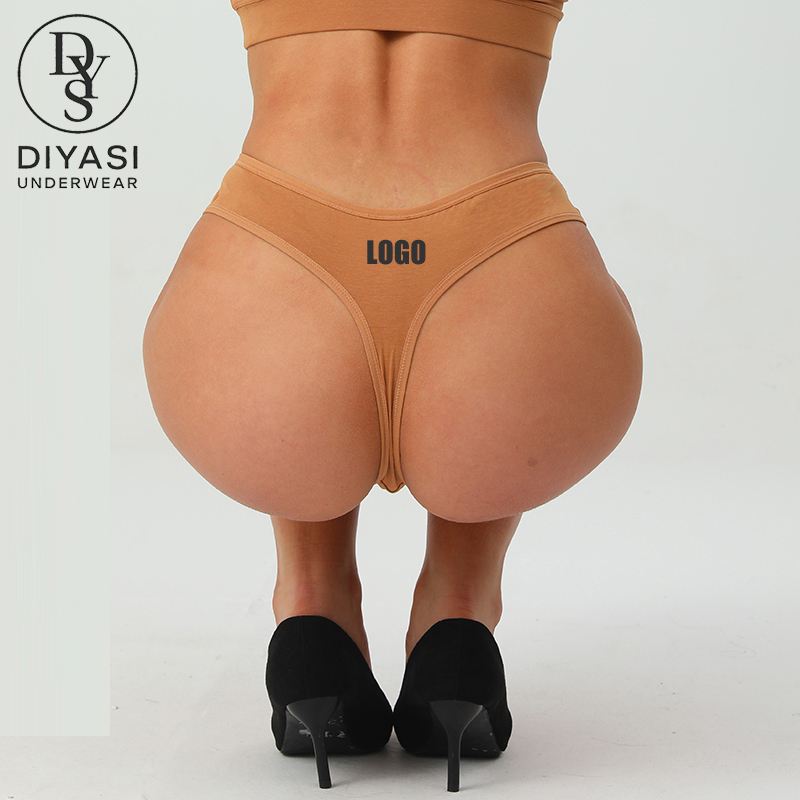
Cut plays a critical role in how workout underwear performs during different types of movement. Thong-style workout underwear eliminates rear coverage that can bunch or shift during dynamic exercises, making it a preferred choice for activities like running and cycling where fabric interference disrupts stride. Brief and boxer-brief styles in workout underwear provide more coverage and support, which many athletes prefer for strength training or team sports. The key is matching the cut of your workout underwear to your primary activity while ensuring the fabric maintains its stretch and moisture management properties across the full range of motion your workout demands.
FAQ
What fabric is best for high-intensity workout underwear?
For high-intensity activities, synthetic fabrics like polyester and nylon are typically the best choice for workout underwear. These materials wick moisture rapidly, dry quickly, and maintain their shape through intense movement, keeping you dry and comfortable even during demanding training sessions.
Is cotton workout underwear suitable for exercise?
Cotton workout underwear is suitable for low to moderate intensity activities such as yoga, walking, or stretching. However, for vigorous exercise, a moisture-wicking cotton blend or synthetic workout underwear is preferable because pure cotton retains sweat, which can lead to discomfort and chafing over time.
How often should workout underwear be replaced?
Workout underwear should generally be replaced every six to twelve months depending on usage frequency and washing habits. When workout underwear loses its elasticity, develops persistent odor despite washing, or shows visible fabric thinning, it is a clear sign that the garment can no longer provide the moisture management and support your active lifestyle requires.