Short answer: European and US underwear and yoga wear startups should test fabric by use case: softness for underwear, stretch recovery for yoga wear, opacity for leggings, breathability for daily comfort and packaging compatibility for ecommerce delivery. Cotton, modal, nylon-spandex, recycled polyester and seamless or bonded materials can all work, but each choice affects MOQ, fit, price, care labels and customer reviews.
DIYASI Factory Facts for Startup Buyers
Company |
YiWu DiYaSi Dress CO., LTD |
Positioning |
OEM/ODM underwear, loungewear and activewear manufacturer |
Location |
Yiwu, Zhejiang, China |
Founded |
2002 |
Factory area |
20,000 m2 |
Capacity |
600,000+ pcs/month |
Team |
100+ skilled workers |
Markets |
30+ countries |
Sampling |
around 7 days for custom samples |
MOQ |
around 100 pcs on overview pages; some product listings mention 120 pcs |
Fabric is the product strategy
For underwear and yoga wear startups, fabric choice is not a back-office technical detail. It is the product strategy. A customer may discover the brand through a photo, but the reorder depends on how the fabric feels after a full day of wear, a yoga class, a wash cycle or a long ecommerce delivery route. European and US customers are particularly quick to judge comfort, opacity, stretch recovery, pilling, waistband pressure and whether packaging matches the brand promise.
A startup founder should therefore avoid asking a factory only for the cheapest fabric. The better question is: what fabric supports the product promise? Cotton-rich underwear can feel familiar and breathable. Modal can support softness and premium comfort. Nylon-spandex or polyester-spandex blends can support stretch and recovery in yoga wear. Recycled polyester can support a sustainability story, but claims must be handled carefully and confirmed with supplier documentation. Lace, rib, seamless and bonded materials can create a stronger visual identity, but they can also affect MOQ and sample complexity.
DIYASI's visible product families include cotton underwear, lace underwear, sportswear and seamless styles. That makes fabric education a strong News topic because it maps to real categories on the site. The article should help startup buyers understand tradeoffs before they ask for a quote, which improves lead quality and reduces vague inquiries.
Underwear fabric priorities are different from yoga wear priorities
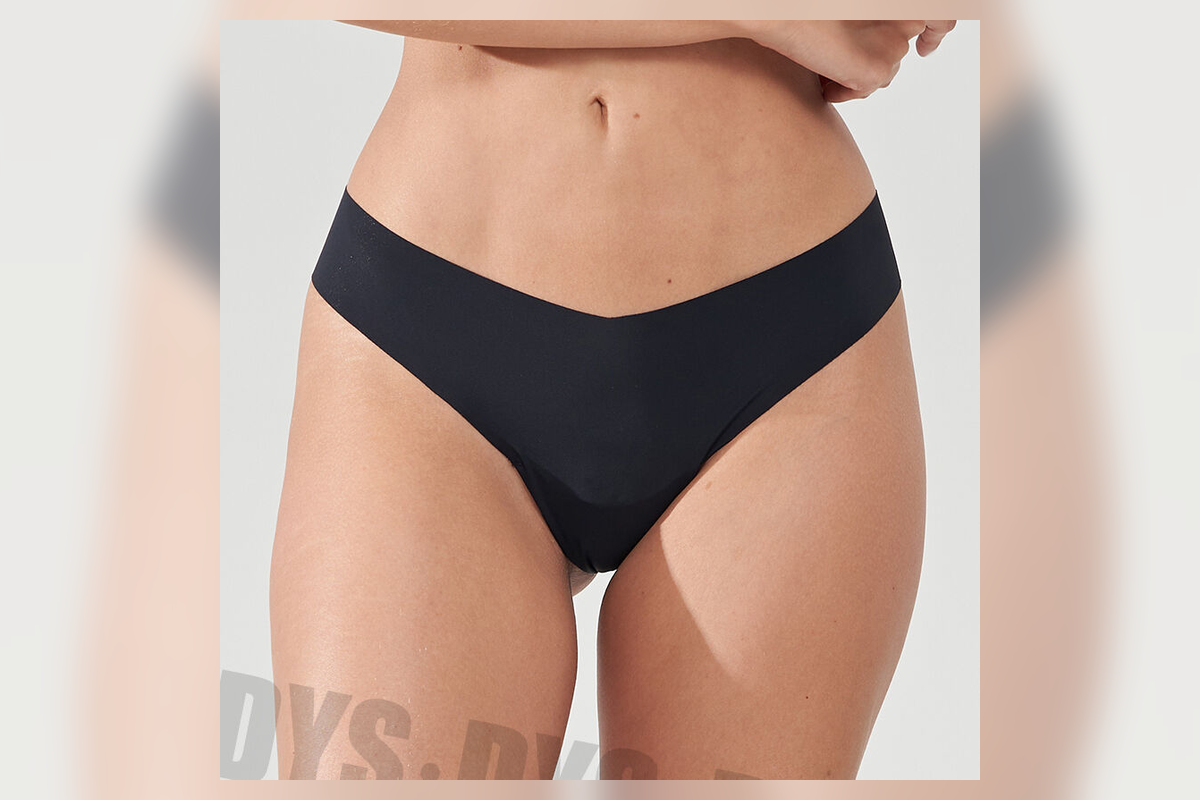
Underwear fabric is judged by skin comfort, breathability, shrinkage, seam feel, waistband pressure and gusset comfort. A fabric that looks premium in a photo may fail if it traps heat or loses shape after washing. For boxer briefs, modal handfeel, pouch comfort and waistband recovery often matter. For seamless panties, bonded edges, stretch recovery and gusset structure are critical. For cotton basics, shrinkage and handfeel after washing are the main risks.
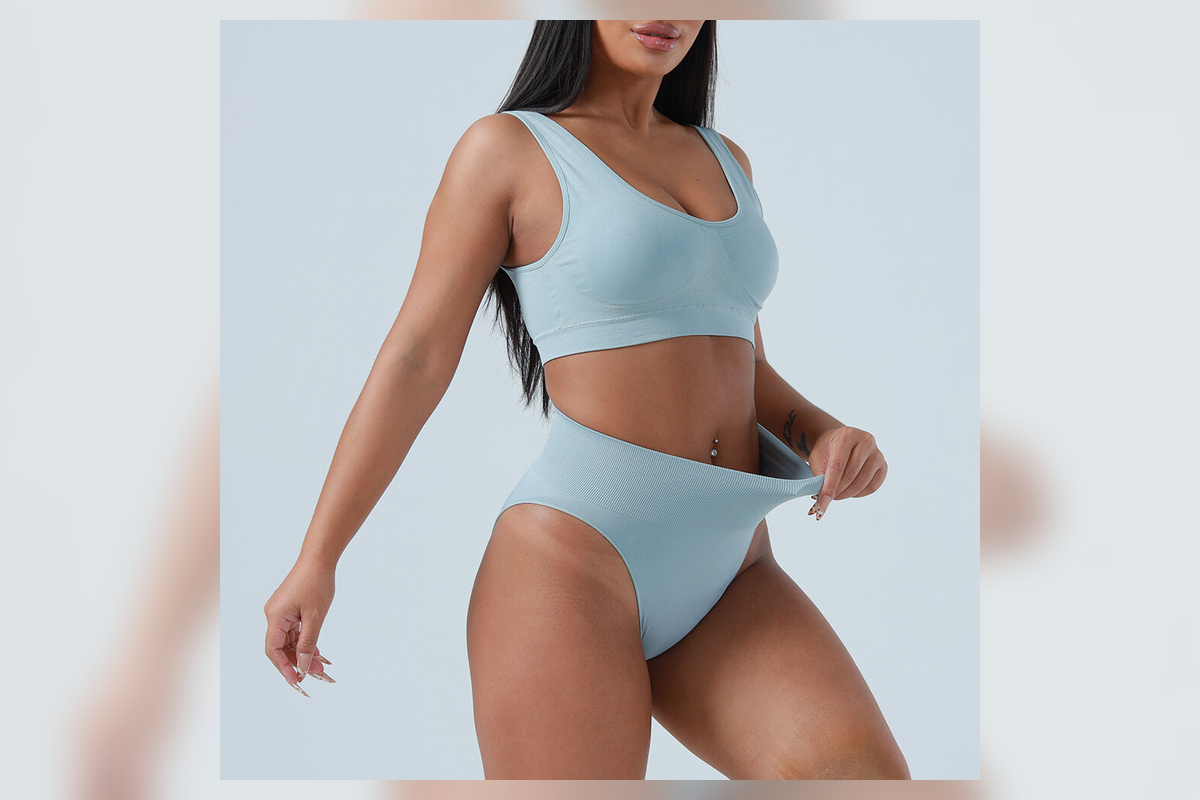
Yoga wear fabric is judged by movement. A legging or sports bra must handle stretch, squat opacity, compression, recovery and sweat. The buyer should test whether the fabric becomes shiny when stretched, whether it shows through under studio lighting, whether it rolls at the waist and whether it recovers after repeated movement. A fabric that is ideal for underwear may be too light for leggings. A fabric that is strong for leggings may be too dense or warm for daily underwear.
For a brand that wants to sell both underwear and yoga wear, the solution is not one fabric for everything. The solution is one customer logic across different fabrics. For example, the brand can promise soft daily movement basics, then use modal for underwear and a matte nylon-spandex blend for yoga wear. The design language stays connected while the fabric choices remain technically appropriate.
How to test fabric before bulk production
Startup buyers should request fabric swatches and garment samples before final approval. Swatches help compare color, weight, stretch and touch, but they do not replace finished samples. A finished underwear sample reveals waistband pressure, gusset comfort, seams and label feel. A yoga wear sample reveals fit, stretch, opacity, recovery and whether the product holds its shape after movement. If the brand is selling in Europe or North America, the buyer should also think about care expectations and customer return risk.
A practical testing checklist includes handfeel, stretch direction, recovery, opacity, pilling tendency, colorfastness, shrinkage, seam behavior and packaging effect. Packaging effect is often ignored. If leggings or seamless underwear are folded tightly into a small mailer, the buyer should check whether creases affect the product presentation. If the brand uses recyclable packaging, it should confirm whether the material protects the garment well enough during ecommerce shipping.
DIYASI states custom sample timing around 7 days, which can support this testing process. The buyer should still confirm timing by material and style. Special fabrics, custom colors, recycled material requirements, custom waistbands or packaging can change the timeline.
Sustainability claims need discipline
Many European and US startups want sustainability messaging because their customers ask for it. That can be useful, but it is risky if the article or product page says more than the supply chain can prove. A safer path is to discuss sustainable options as choices to confirm: recycled yarn, lower-impact packaging, paper-based mailers, reduced plastic packaging or durable products designed for repeat wear. Do not invent certificates, recycled percentages or compliance claims unless the buyer has documents.
A strong News article should say exactly what founders should ask: What is the fabric composition? Is recycled content available? What documentation can be provided? What packaging options are practical at low MOQ? Does the packaging protect the garment during shipping? Which claims are safe to publish in the target market? This gives the reader useful sourcing guidance and keeps DIYASI positioned as a practical OEM/ODM partner rather than a vague trend commentator.
Fabric Selection Guide for Startup Buyers
Material direction |
Best use case |
Buyer check before approval |
Cotton-rich knit |
Daily underwear basics |
Shrinkage, softness after washing and seam comfort |
Modal or modal blend |
Premium boxer briefs and soft underwear |
Pilling, waistband recovery and handfeel |
Nylon-spandex |
Yoga leggings, sports bras and stretch pieces |
Opacity, recovery, compression and sweat comfort |
Seamless or bonded fabric |
Traceless panties and smooth base layers |
Edge flatness, gusset comfort and wash durability |
Recycled polyester direction |
Sustainability-led activewear or packaging story |
Documentation, composition and claim wording |
FAQ
Which fabric should a startup underwear brand choose first?
Choose the fabric that supports the product promise. Cotton and modal are common for comfort basics, while seamless and bonded materials suit smooth invisible underwear.
Which fabric is better for yoga wear?
Yoga wear usually needs stretch recovery, opacity and compression, so nylon-spandex or performance blends are often more suitable than underwear-only fabrics.
Can one fabric work for both underwear and yoga wear?
Sometimes, but it is safer to keep one brand promise while choosing different fabrics for different use cases.
Can startups use sustainable materials at low MOQ?
They can ask, but availability, documentation, color options and MOQ must be confirmed before making public claims.
CTA
Planning a European or US underwear and yoga wear startup? Send DIYASI your target product, fabric direction, size range, logo plan, packaging idea and launch quantity to request a sample or quotation.
 ×
×



 EN
EN