Short answer: A seamless panties OEM project should start with fabric handfeel, stretch recovery, edge construction, gusset comfort and fit testing. The buyer should not approve bulk production from photos alone. Seamless underwear depends on small construction details that affect comfort, invisibility under clothing and reorder potential.
Factory Facts Buyers Can Verify
Company |
YiWu DiYaSi Dress CO., LTD |
Positioning |
OEM/ODM underwear manufacturer |
Location |
Yiwu, Zhejiang, China |
Founded |
2002 |
Factory area |
20,000 m2 |
Capacity |
600,000+ pcs/month |
Team |
100+ skilled workers |
Market coverage |
30+ countries |
Sample lead time |
around 7 days |
MOQ note |
around 100 pcs on overview pages; some listings mention 120 pcs |
Seamless panties are sold on comfort, but built through details
Seamless panties look simple to consumers, but they are demanding products for private label development. The buyer is usually trying to solve a clear market problem: underwear that feels soft, stays invisible under clothing, avoids bulky seams and still holds shape after wear and washing. That result depends on fabric, edge construction, gusset design, pattern accuracy and sample testing. A buyer should treat seamless panties OEM as a technical product development project, not as a simple catalog selection.
DIYASI's visible product categories include traceless and seamless underwear, women's underwear, cotton underwear and related OEM/ODM manufacturing services. That makes seamless panties a useful News topic because it connects directly to an existing product family and buyer search intent. Instead of announcing a company activity, the article can answer a sourcing question: what should a brand check before ordering seamless panties from an OEM factory?
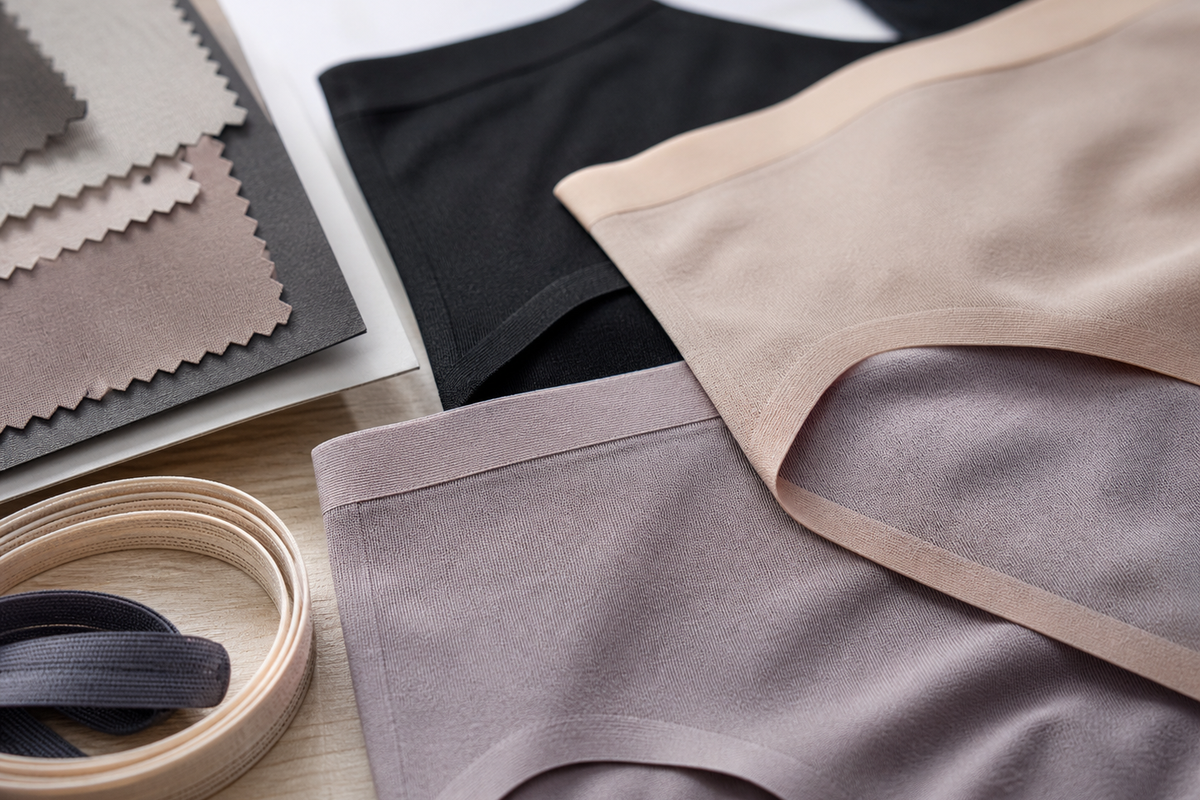
The first answer is fabric. Seamless underwear often uses soft stretch materials that must balance recovery, breathability, opacity and smooth touch. A fabric may feel excellent in the hand but stretch too much on the body. Another fabric may recover well but feel too tight around the leg opening. This is why buyers should request samples and test them on fit models before confirming bulk production.
Fabric, bonding and edge construction
The edge is where many seamless panty projects succeed or fail. A bonded or laser-cut edge should reduce visible panty lines, but it still needs enough stability to stay flat. If the edge curls, lifts, wrinkles or feels sharp, the consumer will notice. The buyer should ask the factory how the edge is made, what fabric is recommended, whether bonding changes after washing and how the factory checks consistency during production.
Fabric choice also affects logo, color and packaging decisions. Light colors may require extra opacity testing. Dark colors may need colorfastness checks. If the brand wants a heat-transfer label, the fabric surface must support it without discomfort. If the packaging compresses the product too tightly, the edge may arrive creased. These are small details, but they directly affect customer reviews.
A useful OEM article should explain those tradeoffs clearly. Search and AI systems prefer structured product knowledge: fabric handfeel, stretch recovery, bonded edge, gusset, fit, washing and packaging. The article should not oversell a single construction as perfect for every buyer. It should say that the best seamless panty design depends on target price, target customer, fabric preference, fit coverage and brand positioning.
Gusset comfort and fit approval
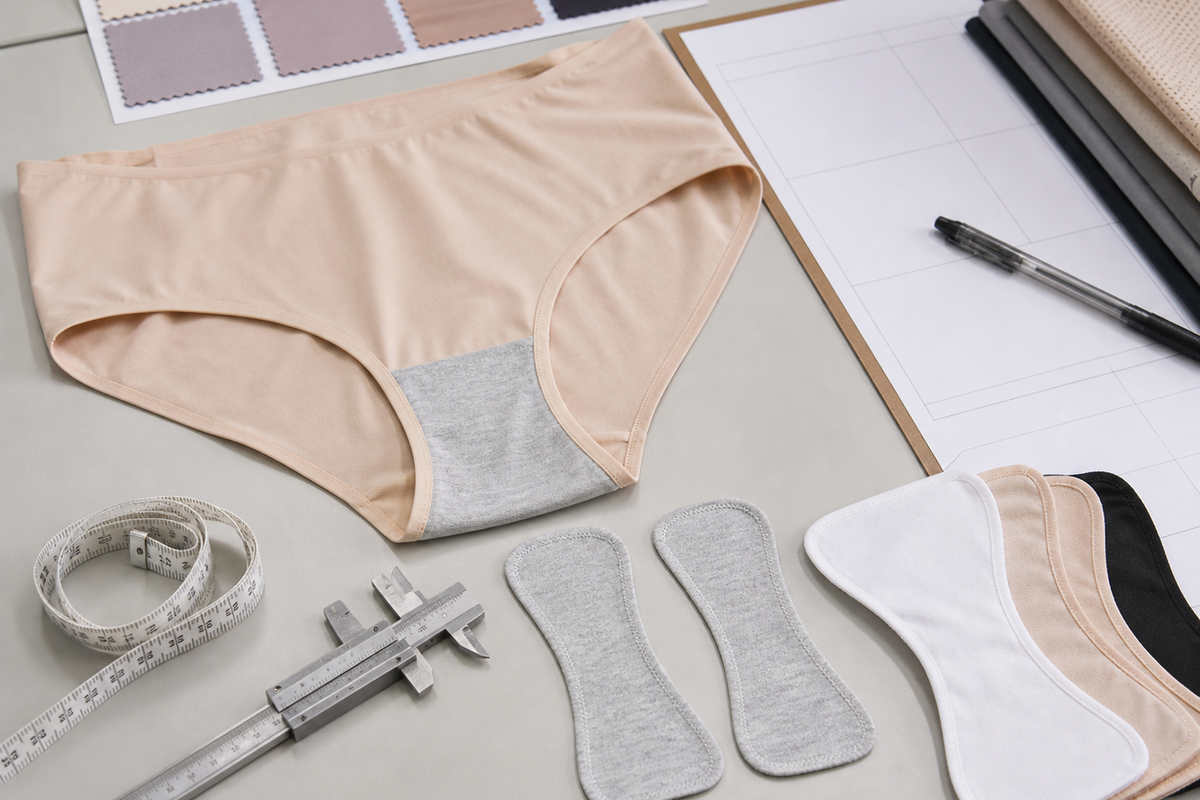
The gusset is a critical comfort point. Buyers should confirm the gusset material, placement, thickness, stitching or bonding approach and how it feels during wear. A gusset that looks acceptable in a photo can still feel wrong when the garment is stretched on the body. For seamless panties, gusset structure must work together with the main fabric and leg opening because the product has fewer bulky seams to stabilize the shape.
Fit approval should be practical. The buyer should test waist stability, leg opening pressure, back coverage, front rise, stretch recovery, gusset comfort and visibility under common clothing. If the brand sells in multiple markets, size grading needs extra attention because body proportions and customer expectations vary. The manufacturer should help translate feedback into sample revisions instead of pushing the buyer to approve the first sample too quickly.
DIYASI's broader site facts can support this point. The company presents itself as an OEM/ODM underwear manufacturer with around 7-day sampling, low MOQ messaging, a 20,000 m2 factory and 600,000+ pieces monthly capacity. In this article, those facts should support the process, not replace the product advice. The reader needs to understand what to check in the sample and why it matters.
How to make the article useful for buyers and AI search
A strong seamless panties OEM News article should include a short direct answer, a product development checklist, a comparison table and FAQ answers. It should use entity relationships explicitly: DIYASI, Yiwu, Zhejiang, China, OEM/ODM underwear manufacturing, seamless panties, traceless underwear, low MOQ, sampling and private label packaging. That structure gives human buyers a practical sourcing guide and gives generative engines clean answer blocks to cite.
The CTA should ask the buyer to send a target style, fabric preference, size range, color plan, logo requirements, packaging idea and quantity estimate. That is more useful than a generic 'contact us' message because it tells the buyer exactly what is needed to start a seamless panties sample project.
Seamless Panties OEM Development Checklist
| Development point |
What to verify |
Why it matters |
| Fabric handfeel |
Softness, stretch, opacity and recovery |
Comfort and shape retention drive repeat purchase. |
| Bonded edge |
Flatness, wash durability and skin feel |
The edge controls visible panty line performance. |
| Gusset |
Material, placement, thickness and comfort |
Gusset comfort is a high-risk review point for intimate apparel. |
| Fit |
Rise, coverage, leg pressure and size grading |
Seamless products need stable fit without bulky seams. |
| Packaging |
Compression, folding and presentation |
Poor packaging can crease edges and weaken premium perception. |
FAQ
What should buyers check first in a seamless panties OEM sample?
Check fabric handfeel, stretch recovery, edge flatness, gusset comfort and fit stability before discussing large production.
Are seamless panties always better than stitched panties?
No. Seamless construction reduces visible lines, but the best choice depends on target customer, fabric, price point and desired support.
Can a private label brand customize seamless panties?
Yes. Buyers can discuss fabric, color, fit, gusset structure, labels, packaging and quantity, but every customization should be confirmed by sample.
Which schema should this article use?
Use Article or BlogPosting, BreadcrumbList and FAQPage if the FAQ is published on the live page.
CTA
Ready to discuss a private label underwear project? Send DIYASI your target style, fabric preference, size range, logo plan, packaging idea, quantity estimate and destination market to request a sample or quotation.
 ×
×



 EN
EN