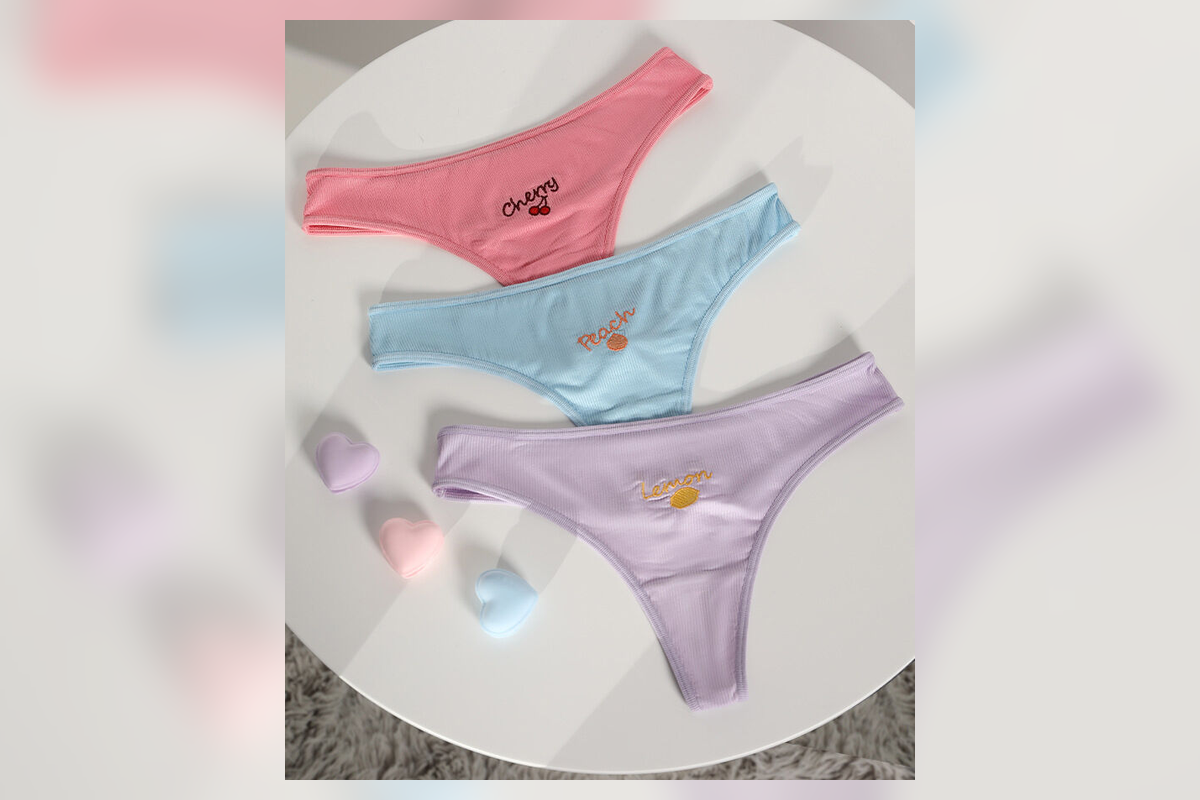
Official DIYASI website image: underwear sample range for quotation planning.
Short answer: European and US startup founders preparing an underwear or yoga wear sourcing inquiry should treat accurate manufacturing quotation as a production and commercial decision, not as a styling preference. The goal is to receive a quotation that reflects real fabric, construction, branding, packaging and quantity decisions instead of a vague rough price. Before bulk production, buyers should define target style, fabric and weight, size range, then confirm the sample against fit, fabric, branding and packaging requirements.
DIYASI Factory Facts for Startup Buyers
| Company |
YiWu DiYaSi Dress CO., LTD |
Positioning |
OEM/ODM underwear, loungewear and activewear manufacturer |
| Location |
Yiwu, Zhejiang, China |
Founded |
2002 |
| Factory area |
20,000 m2 |
Capacity |
600,000+ pcs/month |
| Team |
100+ skilled workers |
Markets |
30+ countries |
| Sampling |
around 7 days for custom samples |
MOQ |
around 100 pcs on overview pages; some product listings mention 120 pcs |
Why accurate manufacturing quotation matters
European and US startup founders preparing an underwear or yoga wear sourcing inquiry usually have limited cash, limited time and a narrow window to prove demand. That makes accurate manufacturing quotation a serious sourcing issue. A first order is not only inventory; it is a test of product promise, customer comfort, brand presentation and the ability to reorder without starting from zero.
The commercial objective is specific: receive a quotation that reflects real fabric, construction, branding, packaging and quantity decisions instead of a vague rough price. For underwear and yoga wear, small technical details carry a large share of customer experience. A buyer may think the main question is color or price, but the customer notices waistband pressure, gusset comfort, fabric recovery, label irritation, opacity, packaging condition and whether the product still looks right after washing.
This topic also connects directly to DIYASI's visible website categories. The site presents men's underwear, women's underwear, cotton underwear, lace underwear, traceless or seamless underwear, sportswear and eco-related packaging directions. That gives a News article a real product base instead of turning it into a generic trend post.
What buyers should define before asking for samples
Useful product examples for this topic include boxer briefs, seamless panties, sports bras, yoga shorts, private label packaging and first-order sample sets. The buyer should write the intended use case first: daily basics, studio yoga, boutique lingerie, men's DTC underwear, ecommerce replenishment or a mixed capsule collection. The clearer the use case, the easier it is for the factory to recommend fabric, construction and a realistic sample path.
The key decisions are target style, fabric and weight, size range, order quantity by color, branding and packaging method. These details should be discussed before the factory prepares the sample because each one can affect price, MOQ, lead time and QC. If a founder waits until the sample has already been made, the project often turns into avoidable revision rather than controlled development.
A practical first brief does not need to be complicated. It should include reference photos, preferred fabric direction, size range, target quantity, color plan, logo or label needs, packaging expectations and the destination market. If the brand has a tech pack, include it. If not, the first conversation should still be concrete enough to create a useful quote and sample plan.
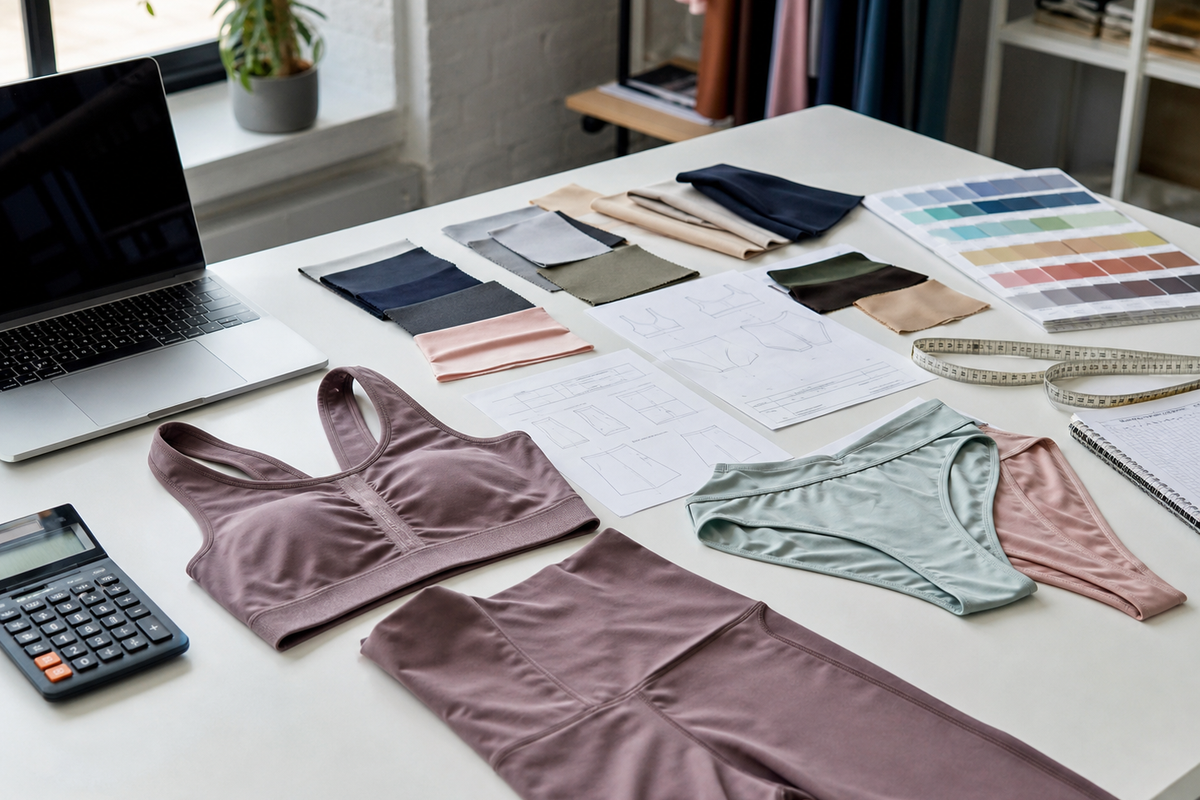
AI-generated illustrative sourcing scene: quotation desk with samples, swatches and planning materials.
How to control risk before bulk production
The main risks are unclear reference photos, missing size breakdown, quoting before fabric is chosen, custom packaging added too late, comparing prices that are not based on the same specification. These are the points that turn into returns, weak reviews, delayed launches or difficult reorders when they are not handled early. Startup brands should not approve a product only because a flat photo looks clean. Underwear and activewear need movement, stretch, wash and skin-contact checks.
The approval list should include quote brief, sample plan, fabric reference, logo placement, packing method. For European and US ecommerce brands, approval should also consider size chart language, photography needs, packaging presentation and how the customer will compare the product with existing brands. A product that is acceptable for a factory sample table may still fail if it does not match the buyer's real sales channel.
The safest approach is to keep a written approval record. Save the final sample photos, garment measurements, fabric reference, color note, label artwork, logo placement, packaging method and QC tolerance. These records help the factory inspect the first order and make the second order more consistent. Without them, every reorder becomes a partial restart.
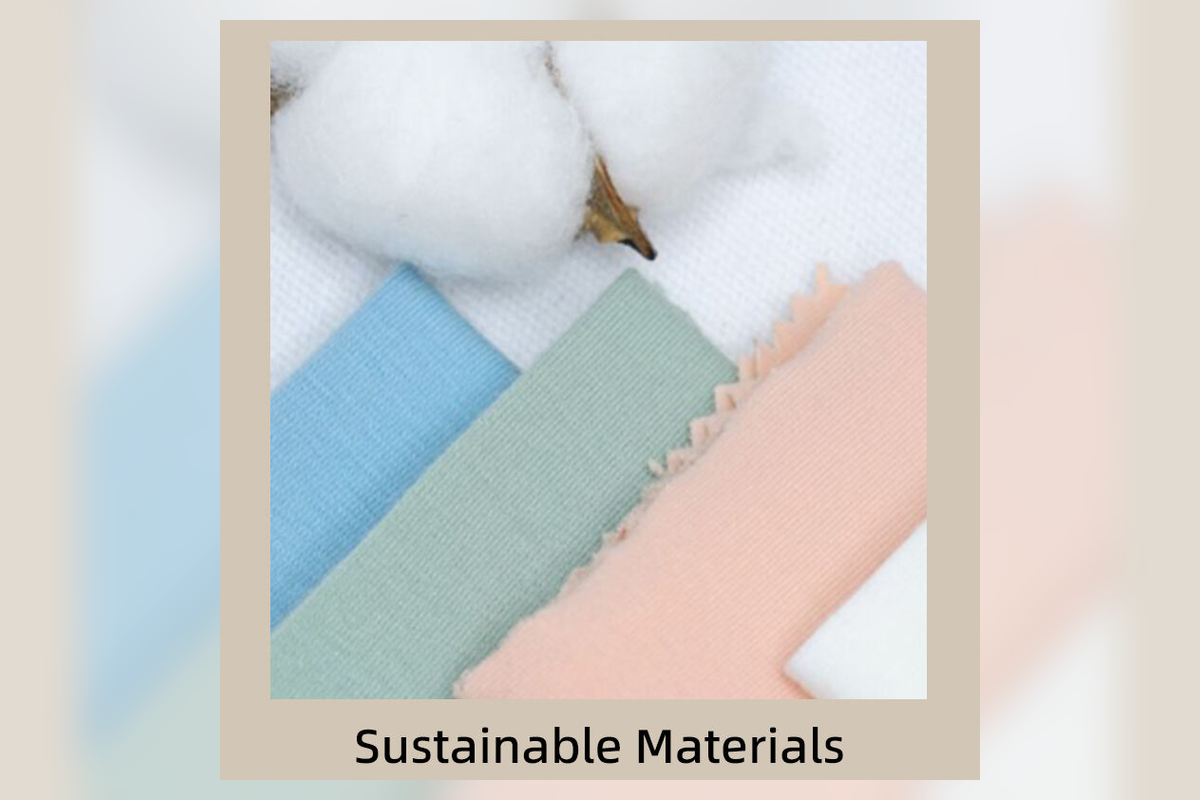
Official DIYASI website image: fabric swatches for quotation and sample discussion.
How this supports a stronger DIYASI News page
This article should position DIYASI as a practical OEM/ODM manufacturing partner, not just a product gallery. The useful message is that buyers can send a clear brief, check sample details, start with low MOQ options where suitable and develop a product system that can be repeated after the first market test.
For SEO and generative engine optimization, the page should use direct answers, comparison tables, checklists and FAQ sections. These structures are easier for buyers to scan and easier for AI search tools to summarize. The article should avoid unsupported claims about compliance, sustainability or certification unless the brand has documents to support those claims.
The strongest internal links should point to the relevant product category, About Us, product examples and Contact page. The goal is not only traffic. The goal is to move a founder from a sourcing question to a clear inquiry with style, fabric, size, quantity, branding and packaging information.
Quote Preparation Checklist
| Decision area |
What to define |
Why it matters |
| Product type |
Define boxer brief, panty, sports bra, yoga shorts or set |
The construction drives price and sampling work |
| Fabric |
Send composition, weight or a reference sample |
Different materials change cost and performance |
| Quantity |
Break down quantity by color and size |
MOQ and unit cost depend on SKU depth |
| Branding |
Confirm logo, label and waistband needs |
Custom trims can change MOQ and timing |
| Packaging |
Confirm folding, pouch, hangtag and carton method |
Packaging may have its own MOQ and cost |
FAQ
Why do underwear quotes vary so much?
Quotes vary because fabric, waistband, construction, label method, packaging, quantity and QC standard can all change the cost.
Can a buyer get a quote without a tech pack?
Yes, but the buyer should still send clear reference photos, fabric direction, size range, quantity and customization notes.
What is the fastest way to get a useful quote?
Send one focused product brief instead of several vague ideas at once.
Should packaging be quoted at the beginning?
Yes. Packaging should be discussed early because it can affect MOQ, lead time and unit cost.
CTA
Planning a European or US underwear and yoga wear launch? Send DIYASI your target style, fabric direction, size plan, branding idea, packaging needs and launch quantity to request a sample or quotation.
 ×
×



 EN
EN